Trump Tries Old Move to Woo a More Powerful Kim Jong Un
Source Entity
Latest News: Todays Latest News Headlines from India & World | Hindustan Times | Hindustan Times
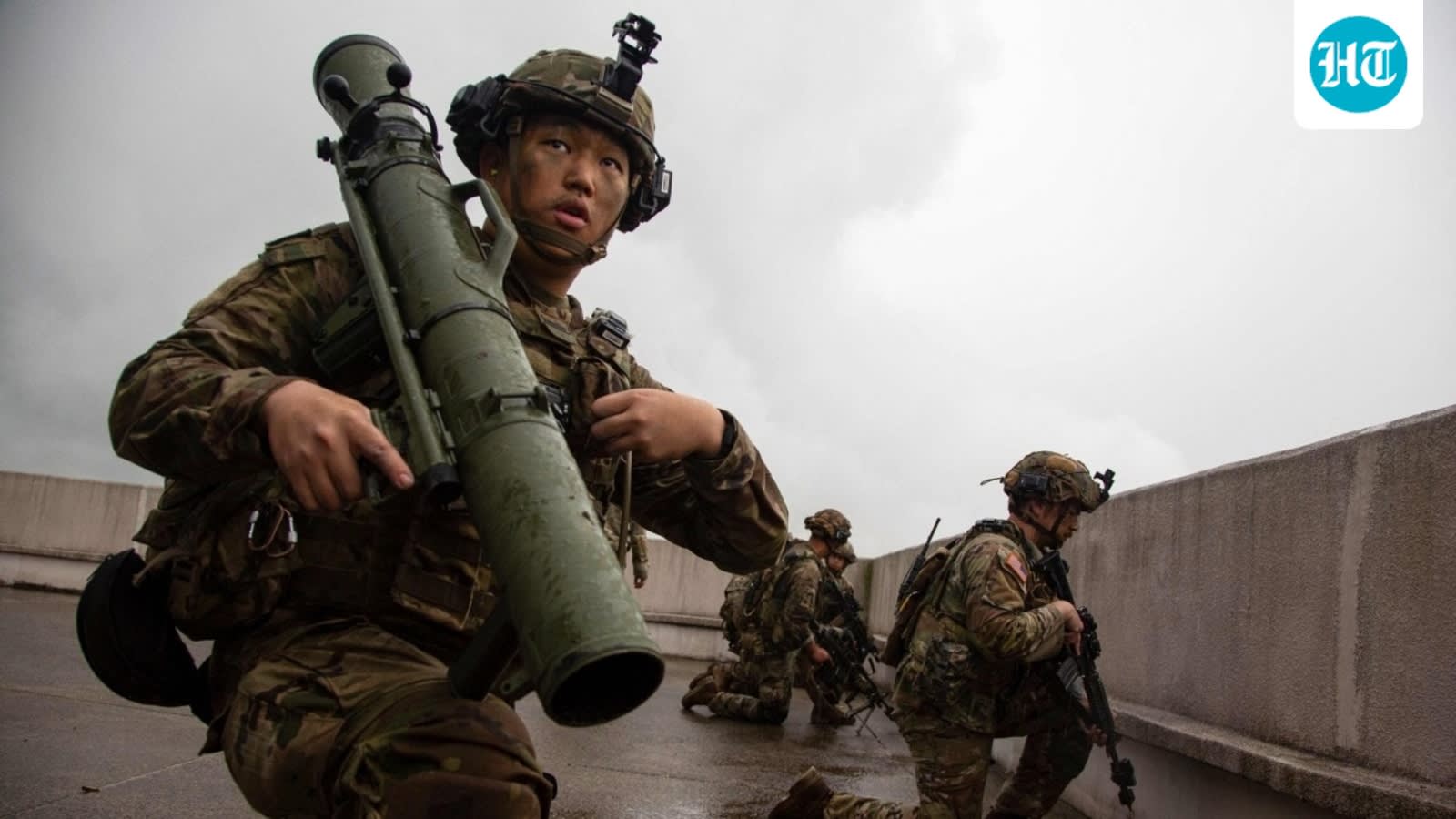
President Trump has ordered reductions to joint military exercises with South Korea, attempting to revive diplomacy with North Korea. This strategy faces increased scrutiny as North Korea's military capabilities and nuclear arsenal have grown significantly since 2018.
The Return of 'Maximum Pressure' Diplomacy
President Trump has initiated a return to his previous diplomatic playbook regarding the Korean Peninsula, ordering a reduction in annual military exercises with South Korea. This maneuver, reminiscent of his first term's approach, is intended to break a prolonged stalemate with Pyongyang and foster renewed engagement. By scaling back these drills, which began this past Monday, the administration aims to signal a willingness to de-escalate tensions in exchange for progress on nuclear negotiations with North Korean leader Kim Jong Un.
A Shift in the Strategic Landscape
While the tactical approach remains consistent with 2018, the strategic environment has undergone a profound transformation. North Korea is no longer the same regional actor it was during the initial summits. Over the intervening years, the regime has significantly expanded its nuclear arsenal, ramped up missile production, and gained critical battlefield experience. These advancements suggest that the security architecture of the region is more fragile, and the potential consequences of miscalculation are far higher than they were during the previous period of suspended drills.
The Risks of De-escalation
Critics and security analysts argue that the current move is inherently riskier than the initial 2018 suspension. The primary concern is that the North Korean military now poses a significantly more potent threat to the United States and its regional allies, including South Korea and Japan. Reducing the frequency and scale of joint exercises risks eroding the operational readiness of the U.S.-ROK alliance, potentially creating a security vacuum that Pyongyang may exploit to further its own military and political objectives.
Leveraging Personal Diplomacy
At the center of this strategy is the President's reliance on his personal relationship with Kim Jong Un. The administration appears to believe that direct, leader-to-leader communication can supersede institutional diplomatic channels. By offering a concession in the form of reduced military drills, the U.S. is testing whether Kim remains susceptible to the same personal incentives that were utilized during the 2018-2019 summit period.
Looking Toward Future Stability
Predicting the outcome of this policy shift requires acknowledging the changed motivations of the North Korean leadership. With a more robust nuclear deterrent in hand, Kim Jong Un may view the reduction of military exercises as a tactical victory rather than a catalyst for denuclearization. If the current gambit fails to produce tangible progress in nuclear talks, the administration may find itself with fewer options to deter North Korean aggression, potentially forcing a choice between increased sanctions or a return to a more confrontational military posture.
Conclusion
Ultimately, the decision to scale back military drills represents a high-stakes gamble on the power of personal diplomacy. While intended to bridge the divide with North Korea, the move must be weighed against the reality of a more capable and emboldened adversary. As the situation unfolds, the success of this policy will likely be measured by whether it leads to meaningful disarmament or simply provides the North Korean regime with additional time to refine its military capabilities.
Verification Required?