US Iran War News LIVE Updates: Trump says US officials met Iran war mediators
Source Entity
Mashkoora Khan
President Trump has expressed confidence in a swift US victory in the ongoing conflict with Iran, despite the rejection of recent ceasefire proposals. While diplomacy continues through third-party intermediaries, Trump remains focused on the economic benefits of a resolution, specifically regarding global oil prices.
The Escalating Standoff: US-Iran Relations
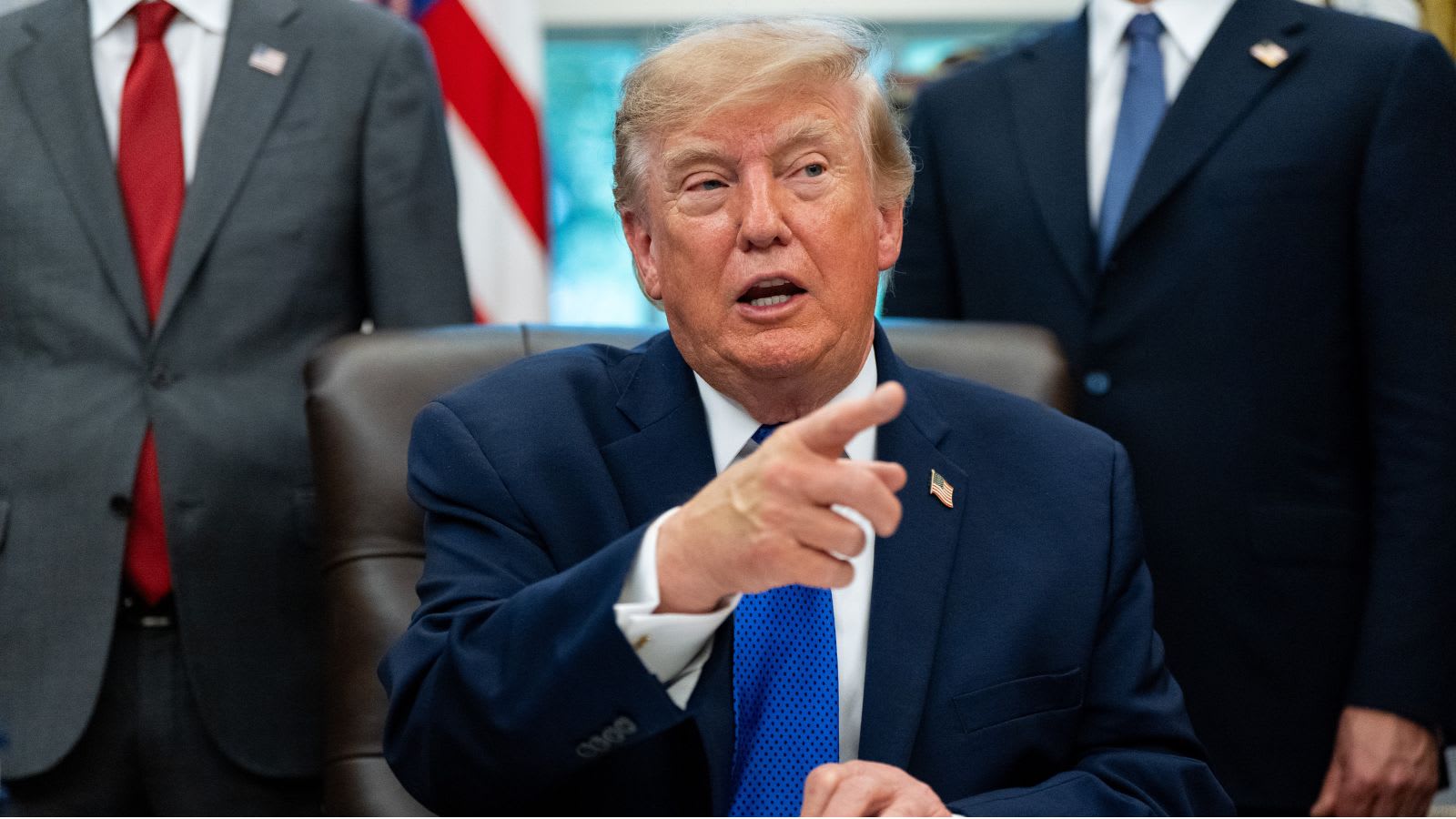
President Donald Trump has maintained a posture of firm defiance regarding the ongoing conflict with Iran, recently asserting that the United States is poised to "win" the situation "one way or the other." Speaking from the Oval Office, the President indicated that the resolution of these hostilities would occur "pretty quickly," signaling a clear administration preference for a definitive end to the current friction.
The Role of Mediators and Diplomatic Deadlock
Despite the bellicose rhetoric, the administration has acknowledged that diplomatic channels remain active. Trump confirmed that US negotiators have engaged with Iranian officials through intermediaries, even as he simultaneously rejected Tehran’s latest ceasefire proposal. This dynamic highlights a complex "back-channel" reality where both nations are testing positions through third parties while officially maintaining a stance of non-engagement. Iran, for its part, has stated it has "no plans" to negotiate directly with Washington, demanding concrete guarantees before returning to the table.
Economic Implications and Energy Markets
A pivotal component of the administration's narrative is the link between the conflict and domestic energy prices. Trump has explicitly predicted that gasoline prices will "come tumbling down" and oil prices will drop sharply once the conflict concludes. By framing the geopolitical struggle as a precursor to economic relief for American consumers, the President is attempting to align national security outcomes with the tangible financial interests of the voting public.
Strategic Importance of the Strait of Hormuz
The Strait of Hormuz has emerged as the geographic focal point of this crisis. As one of the world's most critical maritime chokepoints for oil transit, the tension in this region directly impacts global supply chains. Efforts to end the fighting are inextricably linked to restoring stability in these waters, which remain at the heart of both military posturing and diplomatic negotiation efforts.
Future Outlook and Strategic Calculations
Looking ahead, the administration's strategy appears to be a dual-track approach: maintaining intense pressure while keeping a door slightly ajar for a mediated settlement. The President's focus on "winning" suggests that any eventual agreement would likely need to address his administration's core demands, such as the prevention of Iran acquiring a nuclear weapon, which remains a cornerstone of his foreign policy rhetoric. The speed at which this conflict moves will likely be dictated by whether the behind-the-scenes mediation can bridge the massive trust deficit currently preventing direct dialogue between the two nations.