Trump revives effort to fire Fed's Lisa Cook
Source Entity
US Top News and Analysis
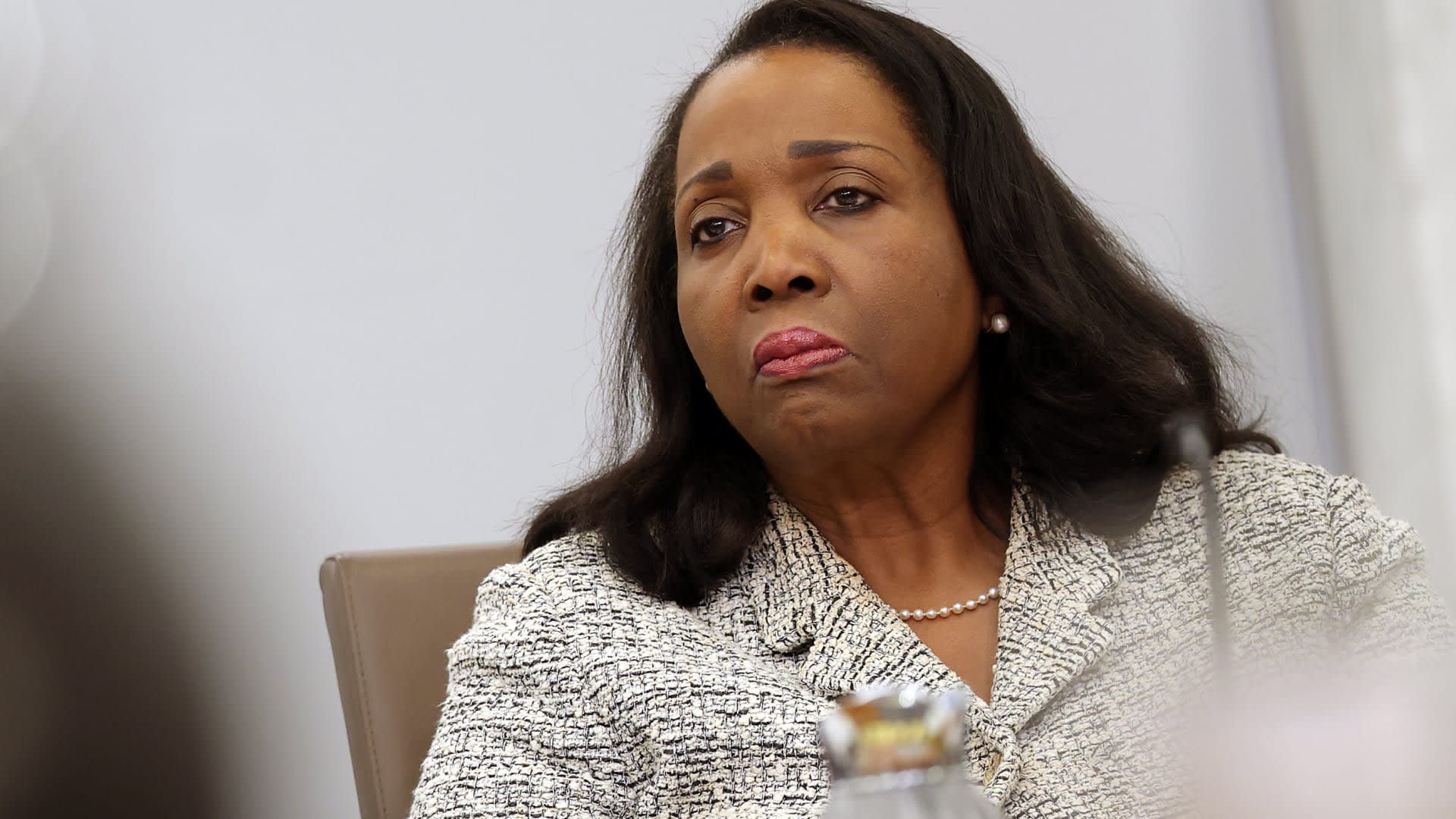
President Trump has renewed efforts to remove Federal Reserve Governor Lisa Cook, citing past allegations of mortgage fraud. This move challenges a previous Supreme Court ruling that limited presidential authority to dismiss Fed governors.
The Conflict Over Federal Reserve Independence
President Donald Trump has reignited his efforts to remove Federal Reserve Board Governor Lisa Cook, a move that signals a continued struggle between executive authority and the traditional independence of the U.S. central bank. This latest push, communicated via a letter from presidential aide Dan Scavino, revives the specific accusation that Cook made false statements on mortgage agreements, a charge she has consistently denied and previously challenged through legal channels.
Legal Precedents and the Supreme Court
The current impasse is rooted in a significant legal battle that reached the Supreme Court earlier this year. In June, the high court ruled that the President does not hold the unilateral power to dismiss Federal Reserve governors. This decision was intended to preserve the institutional autonomy of the Fed, ensuring that monetary policy decisions remain insulated from direct political pressure. By attempting to bypass or re-litigate this finding, the administration is testing the boundaries of the separation of powers.
The Strategy of Institutional Alignment
Beyond the specific allegations against Governor Cook, this effort is widely viewed as part of a broader strategy to stack the Federal Reserve’s board with political allies. By seeking to remove current members, the administration aims to reshape the composition of the board, which could have profound implications for interest rate policies, inflation management, and the overall trajectory of the American economy. The push reflects a desire to align the central bank’s leadership more closely with the executive branch's economic agenda.
Historical Context of Fed Appointments
Historically, the Federal Reserve has maintained a degree of independence designed to protect it from short-term political cycles. Governors are appointed to long, staggered terms specifically to prevent any single administration from exerting total control over the institution. Attempts to terminate governors for cause—such as the mortgage fraud allegations raised against Cook—are rare and highly contentious, as they risk politicizing the oversight process of the nation's most powerful economic institution.
Broader Economic and Political Implications
If the administration succeeds in removing a sitting governor despite the previous court intervention, it would set a precedent that could permanently alter the relationship between the White House and the Federal Reserve. Financial markets typically react negatively to uncertainty regarding the Fed's leadership, as stability is essential for investor confidence. The ongoing legal saga suggests that the governance of the Federal Reserve will remain a flashpoint in national politics for the foreseeable future.
Future Outlook
As the situation unfolds, legal experts will be watching to see if the administration’s new evidence regarding the mortgage allegations will be sufficient to overcome the hurdles established by the Supreme Court’s June ruling. Should the courts decline to intervene again, or should the administration find a new legal pathway for dismissal, the integrity of the central bank’s board structure could face a period of intense volatility, leaving the future of monetary policy and institutional governance in a state of flux.