Trump urges Ukraine to stop ‘knocking out’ Russian oil refineries as U.S. diesel hits record
Source Entity
US Top News and Analysis
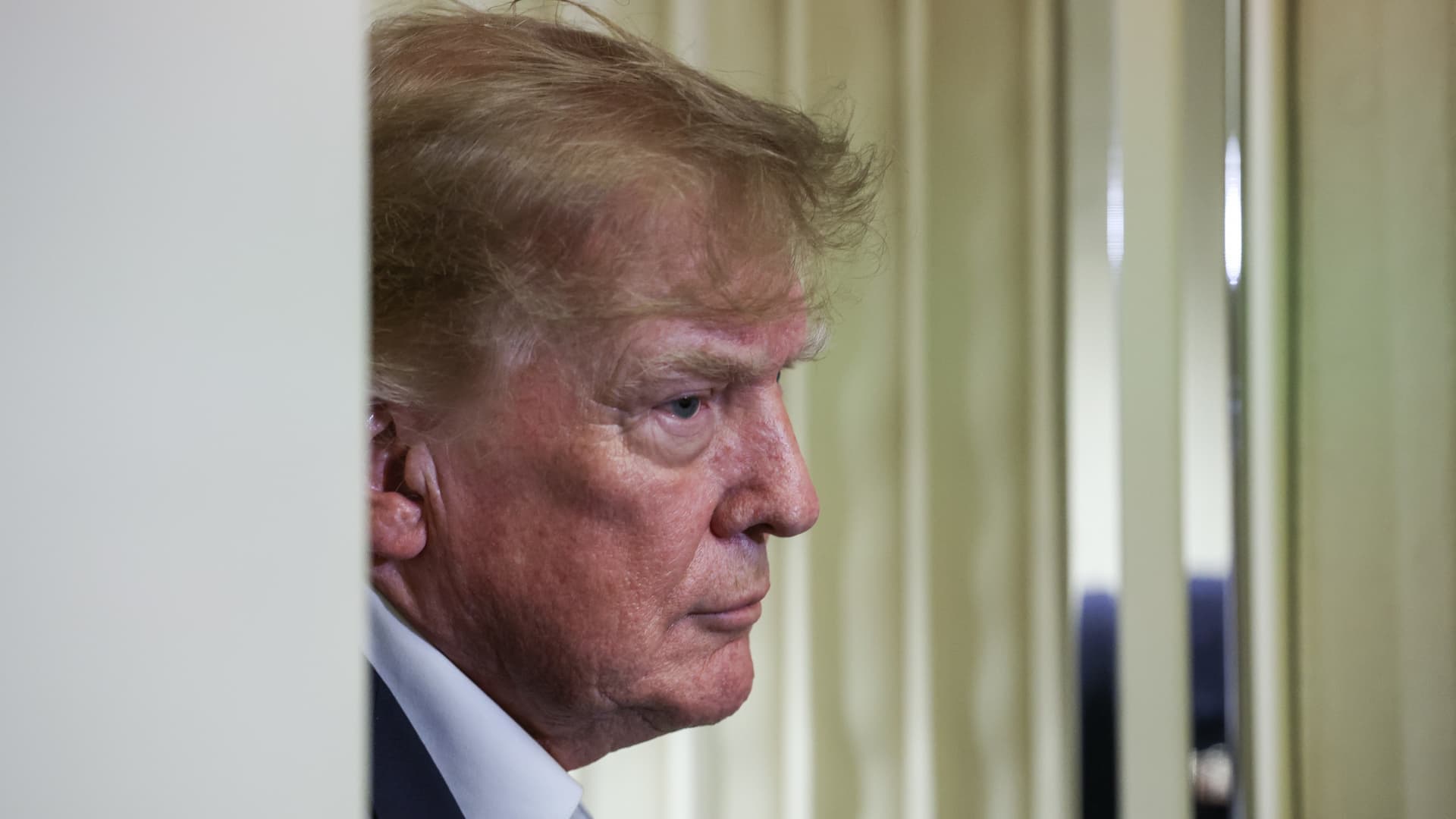
President Donald Trump has urged Ukraine to halt strikes on Russian oil refineries to stabilize global diesel prices. While claiming an agreement has been reached to cease energy-related attacks, neither nation has officially confirmed the deal.
The Geopolitical Impact of Energy Infrastructure Strikes
President Donald Trump has publicly urged Ukrainian President Volodymyr Zelenskyy to cease military operations targeting Russian oil refineries. This intervention comes amidst a volatile period for the global energy market, with U.S. diesel prices hitting a record-shattering $6 per gallon. As the conflict between Russia and Ukraine enters its fifth year, the tactical decision by Kyiv to strike Russian logistics and refining infrastructure has begun to yield significant economic ripple effects that are now being felt acutely by American consumers.
Economic Pressures and Voter Sentiment
The timing of these energy fluctuations is particularly sensitive, as the United States approaches critical midterm elections in November. For the average American, such as the truck driver observed in Miami, Florida, the rising cost of diesel is not merely a macroeconomic statistic but a direct blow to operational costs and the overall cost of living. President Trump has framed these price hikes as a direct consequence of the ongoing conflict, explicitly attributing the current diesel crisis to the Russia-Ukraine war rather than tensions involving Iran.
The Strategic Shift in Conflict
Ukraine’s recent strategy of targeting Russian energy facilities was intended to diminish Moscow’s revenue streams and raise the overall cost of the war. By disrupting Russia's refining capacity, Kyiv sought to weaken the Kremlin's logistical backbone. However, these attacks have inadvertently led to global fuel supply disruptions. The international market, already strained by years of geopolitical instability, has reacted sharply to the reduced output from Russian facilities, forcing a global recalibration of energy prices.
Diplomatic Maneuvering and Claims of Ceasefire
In a significant diplomatic development, President Trump claimed on social media that both Ukraine and Russia have agreed to refrain from striking energy infrastructure. This assertion, if verified, would mark a major pivot in the tactical conduct of the war. However, it is noteworthy that neither Kyiv nor Moscow has provided official confirmation of this supposed agreement. The ambiguity surrounding these negotiations highlights the complexities of back-channel diplomacy during high-stakes international conflicts.
Future Trends and Market Stability
Looking ahead, the stability of global fuel prices will likely depend on whether this alleged agreement holds or if the tactical necessity of the war outweighs the pressure to stabilize energy markets. If the strikes on Russian refineries cease, the global market may see a cooling effect on diesel prices, potentially alleviating some of the economic strain on U.S. voters. Conversely, if the conflict continues to target energy logistics, the volatility in the energy sector will likely persist, posing ongoing challenges for global economic policy and electoral outcomes in the United States.