‘Plane started to plummet’: Passengers scream as flight hits turbulence
Source Entity
KANCHAN YADAV
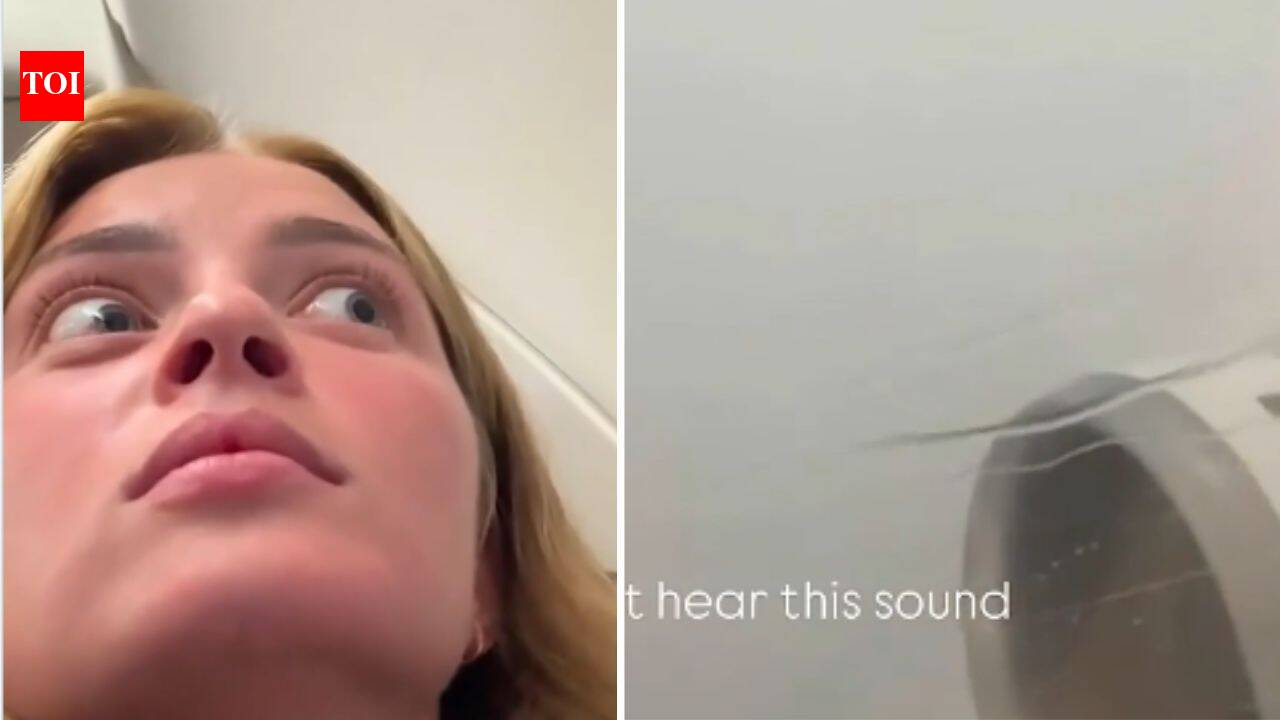
A Turkish Airlines flight from Istanbul to Tunis was diverted to Enfidha-Hammamet International Airport after failing three landing attempts due to severe weather. Passengers reported a terrifying descent characterized by intense turbulence and plummeting sensations.
Turbulence Over Tunisia: A Narrow Escape
On Thursday, a routine Turkish Airlines flight traveling from Istanbul to Tunis-Carthage International Airport encountered severe weather conditions that transformed a standard descent into a harrowing ordeal for passengers. According to reports, the flight crew attempted three separate landing maneuvers at the capital's airport, but each was thwarted by volatile meteorological conditions. The situation escalated significantly during these final approach sequences, with passengers describing a terrifying sensation of the aircraft 'plummeting' as it navigated the stormy skies.
The Impact of Adverse Weather on Aviation
Severe weather remains one of the most unpredictable variables in commercial aviation. When a pilot encounters conditions that exceed safety parameters—such as wind shear, low visibility, or extreme turbulence—the standard procedure is to initiate a go-around. In this instance, the repeated attempts to land indicate that the atmospheric conditions at Tunis-Carthage were particularly persistent and hazardous. The psychological toll on passengers, evidenced by the screams heard in shared footage, highlights the visceral fear that accompanies sudden, violent turbulence during the critical phases of flight.
Safety Protocols and Operational Diversion
Following the unsuccessful attempts to land in Tunis, the flight crew made the decisive call to divert the aircraft to Enfidha-Hammamet International Airport, located approximately 60 miles south of the capital. This operational decision is a testament to the rigorous safety protocols maintained by major international carriers like Turkish Airlines. By prioritizing the structural integrity of the aircraft and the well-being of those on board over the convenience of reaching the original destination, the crew successfully de-escalated a potentially catastrophic situation.
The Role of Social Media in Reporting
This incident gained visibility largely due to passenger Marina Maiskaya, who documented the cabin environment on Instagram. Her account, which described the flight as smooth until the descent turned 'absolutely terrifying,' serves as a modern lens through which we view aviation incidents. While social media provides immediate, raw footage of such events, it also underscores the importance of clear communication from airlines during moments of crisis to manage passenger anxiety and ensure public trust.
Future Implications for Flight Safety
As climate change patterns continue to influence global weather stability, the aviation industry may face an increase in extreme weather-related disruptions. Advanced weather monitoring systems and enhanced pilot training for severe turbulence are becoming increasingly vital. The successful diversion of this Turkish Airlines flight serves as a case study in the effectiveness of standard operating procedures when faced with the unpredictable nature of storm systems, ensuring that even in the face of 'plummeting' sensations, the aircraft remains under controlled management until it reaches a safe landing environment.
Multiple Citing Sources