Ukraine War Dominates Trump's Interactions With Xi, Putin Ahead Of Trilateral
Source Entity
NDTV News Search Records Found 1000
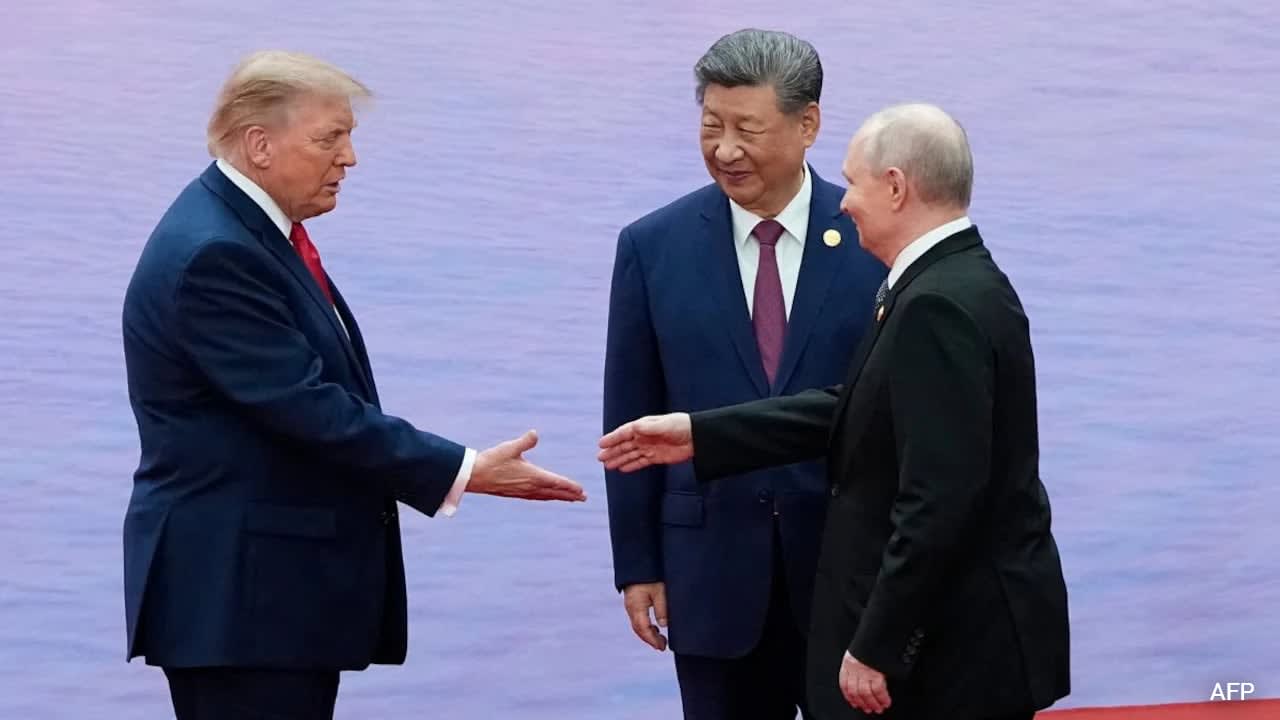
US President Donald Trump, Chinese President Xi Jinping, and Russian President Vladimir Putin are convening in Shenzhen for a high-stakes trilateral summit. The leaders are addressing urgent global crises, including nuclear arms control and the ongoing wars in Ukraine and Iran.
A New Global Architecture: The Shenzhen Trilateral Summit
The gathering of U.S. President Donald Trump, Chinese President Xi Jinping, and Russian President Vladimir Putin in Shenzhen marks a potential inflection point in 21st-century diplomacy. Set against the backdrop of the APEC Economic Leaders Summit, this meeting represents an attempt to reconcile the diverging interests of three nuclear superpowers. By convening in Shenzhen, the leaders are signaling that the resolution of contemporary geopolitical volatility—ranging from active conflict zones to economic fragmentation—requires a direct, tripartite approach that mirrors the historical weight of the original Yalta Conference.
The Challenge of Nuclear Proliferation and Arms Control
At the core of the agenda is the daunting task of nuclear arms control. President Trump has identified the establishment of three-way talks as a primary objective of his visit. Historically, nuclear stability relied on bilateral frameworks between Washington and Moscow; however, the rise of China’s strategic capabilities has rendered that model insufficient. Negotiating a trilateral agreement that accommodates the disparate security concerns of the U.S., China, and Russia will require unprecedented transparency and a willingness to transcend the current climate of mutual suspicion.
Navigating Global Conflict: Ukraine and Iran
Beyond nuclear strategy, the leaders are tasked with addressing two major, ongoing conflicts: the war in Ukraine and the nine-month-old war in Iran. The latter has exerted significant pressure on global energy markets, creating economic instability that affects all three nations. The ability of Trump, Xi, and Putin to find common ground on these issues will determine whether this summit produces actionable ceasefires or merely serves as a platform for restating entrenched positions.
Economic Friction and the Technological Divide
The summit is further complicated by intense economic pressures, specifically the ongoing trade tensions between the U.S. and China. The scrutiny surrounding the sale of Nvidia chips to China underscores the broader 'AI race' and the weaponization of supply chains. These tech rivalries are not merely economic disputes; they are foundational elements of national security. The Shenzhen meeting must navigate these technological barriers if the leaders hope to restore a degree of predictability to the global market.
Regional Instability and Future Trends
Regional tensions, such as the escalated friction between China and Japan, exacerbate the complexity of the APEC summit environment. As these major powers negotiate, the rest of the world watches to see if the 'Shenzhen consensus' can provide a roadmap for de-escalation. The outcome of these discussions will likely influence global trade policies, energy security, and the future of international alliances for years to come.
Conclusion: A Test of Personal Diplomacy
Ultimately, the Shenzhen meeting tests the efficacy of personal relationships versus strategic interests. While the leaders have engaged in preliminary discussions, the path toward a stable global order remains obstructed by deep-seated rivalry. Whether this summit is remembered as a successful 'Yalta 2.0' or a missed opportunity will depend on the leaders' ability to prioritize long-term global stability over short-term domestic political gains.
Multiple Citing Sources
Verification Required?