In Xi-Trump summit pomp, pageantry has postponed pressure
Source Entity
Latest News: Todays Latest News Headlines from India & World | Hindustan Times | Hindustan Times
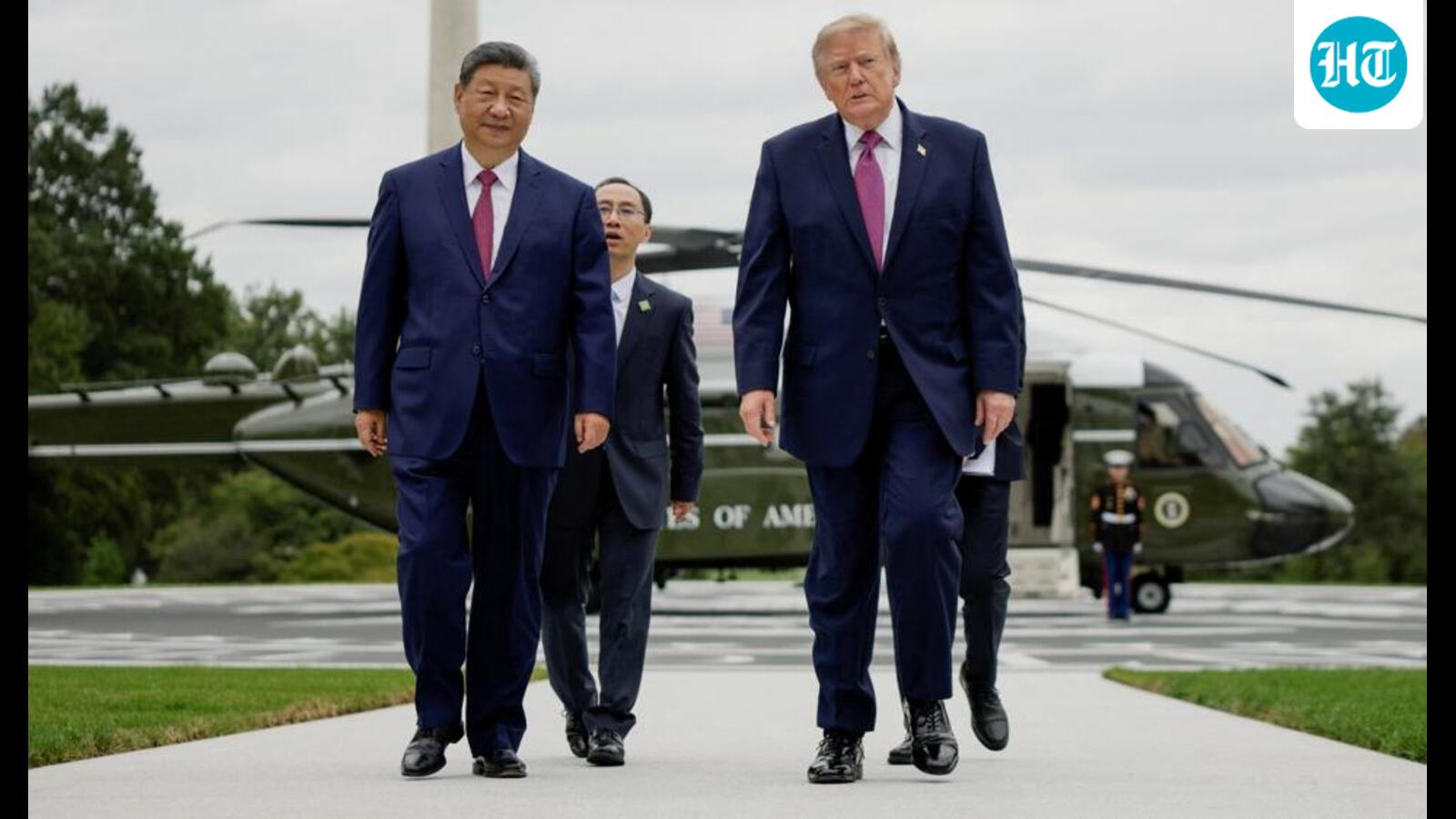
President Trump and President Xi Jinping held a high-stakes summit focused on trade stability, AI governance, and diplomatic symbolism. The meeting was marked by a surprise surge in U.S. orders for Chinese goods and the inclusion of major technology industry leaders in policy discussions.
A New Diplomatic Chapter: The Trump-Xi Summit
The recent summit between U.S. President Donald Trump and Chinese President Xi Jinping represents a significant pivot in the bilateral relationship between the world's two largest economies. Held against a backdrop of intense global scrutiny, the meeting served as a stage for both symbolic gestures and substantive economic maneuvering. The presence of high-profile technology leaders, including the heads of Nvidia, SpaceX, Apple, and Microsoft, underscored the urgency of addressing emerging geopolitical challenges, particularly the regulation and safety of Artificial Intelligence.
Economic Resilience and the 'Surprise' Export Jump
Data from the China Beige Book has provided a surprising empirical look at the state of trade relations leading into the summit. A survey of 1,296 Chinese companies revealed a distinct rebound in exports to the U.S. throughout September. This surge suggests that despite previous trade frictions, American businesses are actively positioning themselves for a period of relative stability. By increasing their orders, these firms are signaling a strategic hedge against uncertainty, likely bolstered by an improved tariff position that has allowed for smoother supply chain operations.
The Symbolism of State Diplomacy
Beyond the cold metrics of trade, the summit utilized traditional diplomacy to signal intent. The presentation of a bald eagle sculpture by President Trump to President Xi at the White House state dinner serves as a potent metaphor for the ongoing negotiations. By framing the gift as an embodiment of the "free and soaring spirit of America," the administration attempted to reconcile national identity with the pragmatic necessity of engaging with a global competitor. Such gestures are designed to set a tone of mutual respect, even as the two nations navigate deeply divergent interests.
The AI Agenda: Geopolitics Meets Innovation
Perhaps the most critical development of the summit was the integration of tech industry titans into the diplomatic discourse. With existential risks associated with AI reaching a fever pitch, the inclusion of leaders like Sam Altman, Jensen Huang, and Satya Nadella suggests that AI governance has officially moved to the top of the global geopolitical agenda. The dialogue between political leadership and these innovators reflects an acknowledgment that the future of national security is inextricably linked to technological hegemony and the ethical development of machine intelligence.
Future Trends and Strategic Outlook
The convergence of trade stability and technological cooperation suggests a potential shift toward a more managed competitive environment. While the "surprise" jump in exports highlights a current desire for normalcy, the long-term trajectory will likely depend on the concrete outcomes of the AI safety talks held during the dinner. If the U.S. and China can establish a shared framework for AI development, it may provide a stabilizing foundation that transcends traditional trade disputes. Ultimately, this summit marks a transition from purely adversarial posturing toward a complex, interest-based engagement strategy.
Multiple Citing Sources
Verification Required?