Trump and Xi are set to meet in DC. Why some China watchers have low expectations
Source Entity
US Top News and Analysis
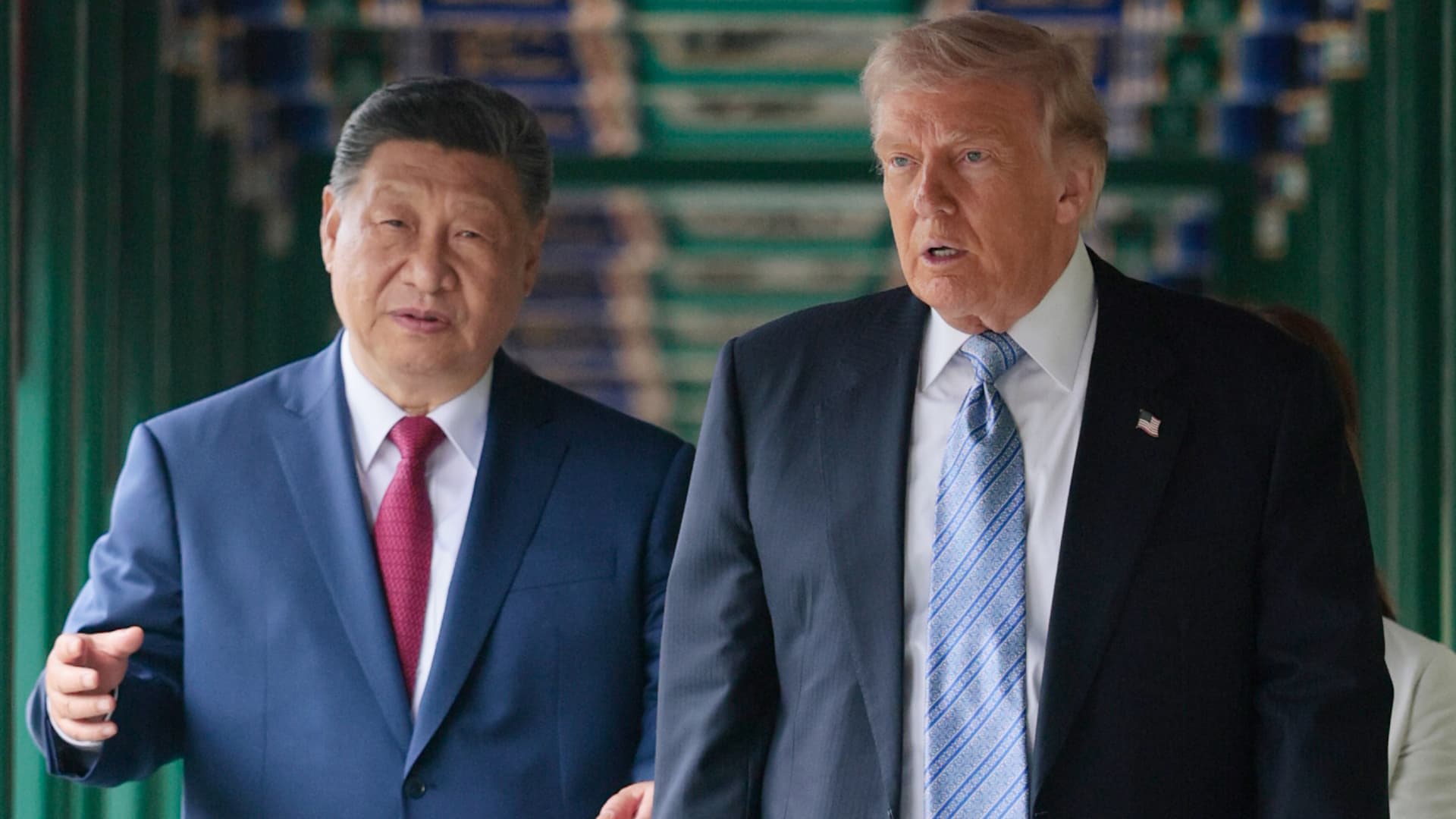
President Trump and President Xi Jinping are set to meet at the White House amid high geopolitical stakes, including U.S. sanctions on Iran. Despite the gravity of these issues, experts remain skeptical about the potential for significant breakthroughs ahead of the U.S. midterm elections.
The High-Stakes Diplomacy of the Trump-Xi Summit
President Donald Trump and Chinese President Xi Jinping are scheduled to convene at the White House for a high-level summit, a meeting that arrives at a critical juncture in U.S.-China relations. This diplomatic engagement occurs less than six weeks before the U.S. midterm elections, a period typically characterized by intense political maneuvering and domestic scrutiny of foreign policy. With current polling suggesting that Democrats are positioned to make notable gains in Congress, the political pressure on the administration to project strength and stability in international relations is at an all-time high.
The Shadow of the Iran Conflict
A primary driver of tension for this summit is the ongoing war involving Iran. The U.S. administration has signaled a pivot toward a more aggressive sanctions regime, specifically targeting the business partners of the Iranian government. Because China serves as Tehran’s largest trading partner, these proposed American sanctions place Beijing in a precarious position. The potential for the U.S. to penalize Chinese entities for their economic ties to Iran creates a significant point of friction, threatening to exacerbate the already fragile nature of the U.S.-China bilateral relationship.
Historical Context and Expectations
Despite the gravity of these geopolitical challenges, seasoned China watchers are maintaining tempered expectations for this meeting. This skepticism is largely informed by the historical trajectory of recent summits, including the leaders' meeting in Beijing just four months prior. During that previous engagement, the Iran situation—while present—appeared to occupy a relatively minor space in the broader discourse between the two heads of state. Analysts suggest that the domestic political climate in Washington, combined with China's own strategic priorities, may once again relegate urgent international crises to the periphery of the official agenda.
Domestic Political Pressures
The timing of this summit is particularly noteworthy given the looming U.S. electoral calendar. With the administration facing a challenging political landscape, the summit serves as a complex stage for both international diplomacy and domestic messaging. For President Trump, the challenge lies in balancing a tough-on-China rhetoric—which resonates with his base—with the practical necessity of managing a global superpower relationship that is deeply intertwined with the U.S. economy and global security interests.
Future Implications for Superpower Relations
Looking ahead, the outcome of these talks could set the tone for the remainder of the year. If the leaders fail to address the Iran sanctions issue directly, the risk of miscalculation between the two nations increases significantly. The ability of the U.S. and China to navigate their competing economic interests—specifically regarding Iran—will be a litmus test for the sustainability of their fragile cooperation. As the summit approaches, the global community remains watchful, waiting to see if this meeting will produce tangible policy shifts or remain largely performative in the face of escalating global instability.