Arabs lose faith in US Patriots: Gulf state buys Putin’s superior air defense systems amid war?
Source Entity
Latest News: Today's Latest News Headlines from India & World | Hindustan Times | Hindustan Times
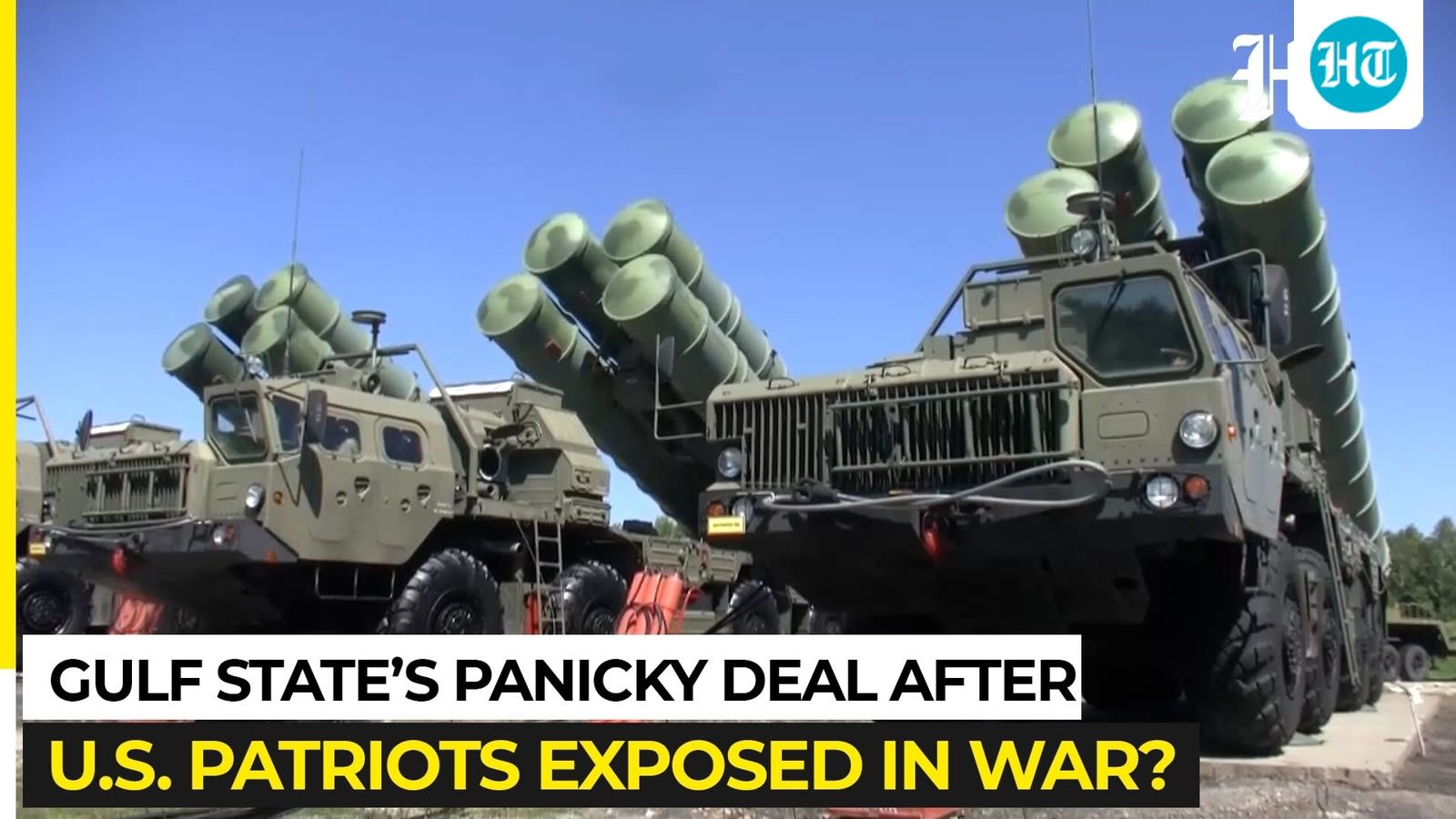
Turkey has reportedly struck a deal to sell its Russian-made S-400 air defense systems to a Gulf state, in a move that could pave the way for Ankara’s return to the U.S. F-35 program after years of CAATSA-related exclusion and storage of the systems over NATO interoperability concerns. Moscow says it is in sensitive talks with Turkey on the issue, while potential buyers such as the UAE and Qatar have yet to confirm the transfer and Israel is watching nervously as a rival’s firepower and status inside the Western camp could shift.
The Great Defense Swap: Turkey, Russia, and the Gulf State Gambit
Recent reports indicate a high-stakes geopolitical maneuver involving Turkey, Russia, and a potential buyer in the Gulf region. Turkey is reportedly seeking to offload its Russian-made S-400 Triumf air defense systems to a Gulf state. This development is not merely a commercial transaction but a calculated strategic pivot intended to resolve one of the most contentious diplomatic rifts between Ankara and Washington in recent history. By removing the Russian hardware from its soil, Turkey aims to clear the primary obstacle preventing its return to the U.S.-led F-35 Lightning II program.
The S-400 Legacy and the F-35 Fallout
To understand the weight of this potential deal, one must look back to Turkey's decision to purchase the S-400 systems from Moscow. This move triggered a severe reaction from the United States, which viewed the deployment of advanced Russian radar and missile technology alongside NATO assets as an unacceptable security risk. The U.S. subsequently invoked the Countering America's Adversaries Through Sanctions Act (CAATSA), resulting in Turkey's expulsion from the F-35 program. For years, the S-400s have remained largely in storage, serving as a physical symbol of Turkey's attempts to balance its NATO membership with a pragmatic, sometimes confrontational, relationship with Russia.
Strategic Incentives for the Gulf and Turkey
For the potential buyer—likely the UAE or Qatar—the acquisition of the S-400 represents a desire for "strategic autonomy." As these nations diversify their security partnerships beyond the United States, the S-400 offers a potent alternative to the American Patriot system, known for its extensive range and capability to track stealth aircraft. For Turkey, the incentive is twofold: it eliminates the source of U.S. sanctions and potentially recouping the investment in the Russian systems while simultaneously repairing its military interoperability with NATO. This swap would effectively trade Russian ground-based defense for American aerial superiority via the F-35.
Regional Destabilization and Israel's Concern
This potential transfer has sent ripples of anxiety through the region, particularly in Israel. The introduction of S-400 systems into a neighboring Gulf state could significantly alter the regional air defense landscape. Israel has historically relied on maintaining a Qualitative Military Edge (QME) in the Middle East. The presence of superior Russian air defense systems in the hands of regional rivals or even fluctuating allies could complicate Israeli air operations and shift the balance of power, making the airspace more contested and unpredictable.
The US-NATO Interoperability Equation
From the perspective of Washington and NATO, the removal of the S-400s from Turkey is a prerequisite for any reconciliation. The primary fear has always been that Russian technicians or the systems themselves could gather intelligence on the stealth signatures of the F-35. If Turkey successfully transfers these systems to a third party, the immediate intelligence risk to the F-35 is mitigated. This opens a diplomatic window for the U.S. to reintegrate Turkey into the program, which would strengthen NATO's southern flank and bring a key regional power back into the Western security fold.
Conclusion: A New Era of Defense Pragmatism
This reported deal underscores a broader trend of "transactional diplomacy" in the 21st century, where nations are increasingly willing to swap high-tech assets to achieve broader political goals. If the deal is finalized, it will mark a significant victory for Turkish diplomacy, allowing Ankara to maintain its ties with Moscow while reclaiming its status as a primary partner of the U.S. defense industry. However, the long-term stability of the region will depend on how the U.S. and Israel manage the ripple effects of Russian technology migrating deeper into the Gulf.
Verification Required?