Major twist in Twisha Sharma case: AIIMS drops 2nd postmortem bombshell, truth about ligature out?
Source Entity
Latest News: Today's Latest News Headlines from India & World | Hindustan Times | Hindustan Times
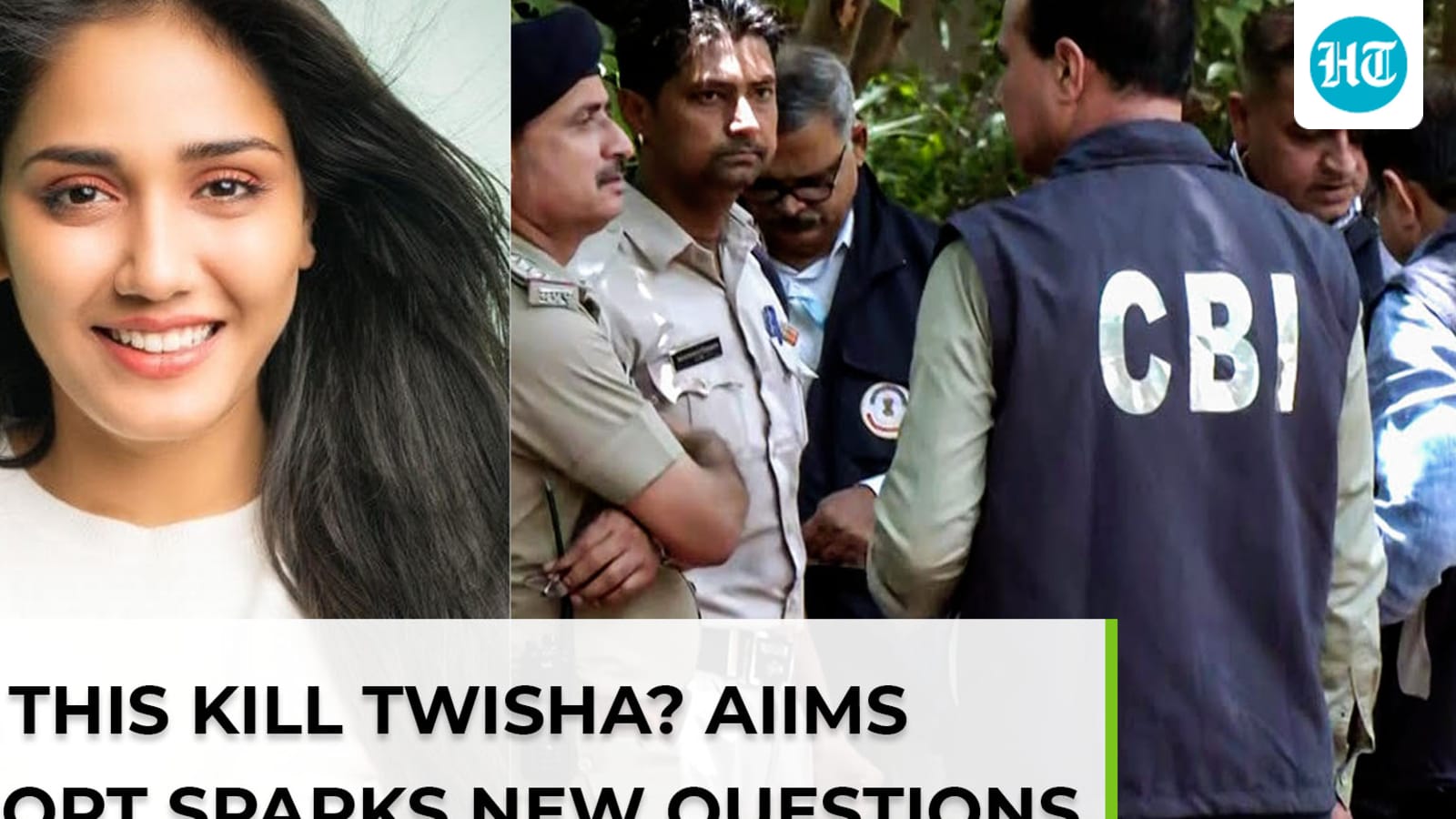
The AIIMS medical board has submitted its final forensic opinion in the Twisha Sharma death case to the CBI in a sealed cover, following a court-ordered second postmortem. The report reportedly addresses key forensic questions surrounding the alleged ligature material, with the findings remaining confidential under court directions.
Forensic Turning Point: Analyzing the AIIMS Report in the Twisha Sharma Case
The submission of the final forensic opinion by the All India Institute of Medical Sciences (AIIMS) to the Central Bureau of Investigation (CBI) marks a critical juncture in the Twisha Sharma death investigation. By providing a second postmortem report in a sealed cover, the medical board has introduced a high-level expert verification process intended to resolve discrepancies and provide an objective scientific basis for the case. This development is not merely a procedural step but a strategic legal move to ensure that the evidence presented in court is beyond reproach, especially given the high stakes surrounding the cause of death.
The Significance of AIIMS and the CBI Partnership
In the Indian legal system, when a case is contested or involves high-profile complexities, the court often mandates a second postmortem by AIIMS, which is regarded as the gold standard for forensic medicine in the country. The involvement of the CBI, India's premier federal investigative agency, further underscores the gravity of the case. The synergy between AIIMS's clinical expertise and the CBI's investigative power is designed to eliminate local biases or errors that may have occurred during the initial autopsy. This ensures that the forensic evidence is robust enough to withstand rigorous cross-examination during the trial phase.
Decoding the 'Ligature' Controversy
Central to this report is the analysis of the "ligature material." In forensic pathology, the distinction between death by hanging (suicide) and death by strangulation (homicide) often hinges on the characteristics of the ligature mark—such as its direction, depth, and the nature of the material used. If the AIIMS report reveals that the ligature material or the marks left by it are inconsistent with the initial claims, it could fundamentally shift the trajectory of the case. The "bombshell" aspect mentioned in reports suggests that the forensic findings may contradict earlier theories, potentially leading to new charges or the exoneration of certain parties.
The Legal Strategy of the 'Sealed Cover'
The decision to submit the report in a "sealed cover" is a specific judicial mechanism used to maintain the integrity of the investigation. By keeping the findings confidential under court directions, the judiciary prevents the leakage of sensitive information that could lead to the tampering of evidence or the influencing of witnesses. This secrecy ensures that the CBI can build its final charge sheet based on the forensic facts without external pressure or premature public narratives, thereby protecting the right to a fair trial for all involved parties.
Historical Context of Second Postmortems in India
Historically, second postmortems in India have frequently overturned initial findings in landmark criminal cases. In many instances, initial autopsies conducted at district-level hospitals are challenged due to perceived negligence or lack of specialized equipment. The transition to an AIIMS-led review often brings in advanced histopathology and forensic techniques that provide a more granular view of the trauma sustained by the deceased. In the Twisha Sharma case, this second look is the primary mechanism for achieving "forensic truth," bridging the gap between circumstantial evidence and medical fact.
Future Implications and Trial Trajectory
Looking forward, the contents of this report will likely dictate the next phase of the legal proceedings. Once the sealed cover is opened in court, the findings will be integrated into the CBI's final report. If the report confirms foul play through the ligature analysis, it will provide the prosecution with a powerful scientific tool to secure a conviction. Conversely, if the findings are ambiguous, the defense will likely use this to create reasonable doubt. The outcome will set a precedent for how forensic contradictions are handled in similar high-profile death investigations in India.
Conclusive Summary
The Twisha Sharma case has now moved from the stage of investigative gathering to forensic validation. The AIIMS report represents the culmination of a court-mandated effort to ensure absolute accuracy regarding the cause of death. By focusing on the ligature material, the medical board is addressing the most contentious point of the case. As the CBI processes this confidential data, the legal community and the public await a resolution that promises to be grounded in rigorous scientific evidence rather than conjecture.
Verification Required?