UAE ‘spy sheikh’ backs 49% stake in Trump family’s crypto bank venture, WSJ reports
Source Entity
US Top News and Analysis
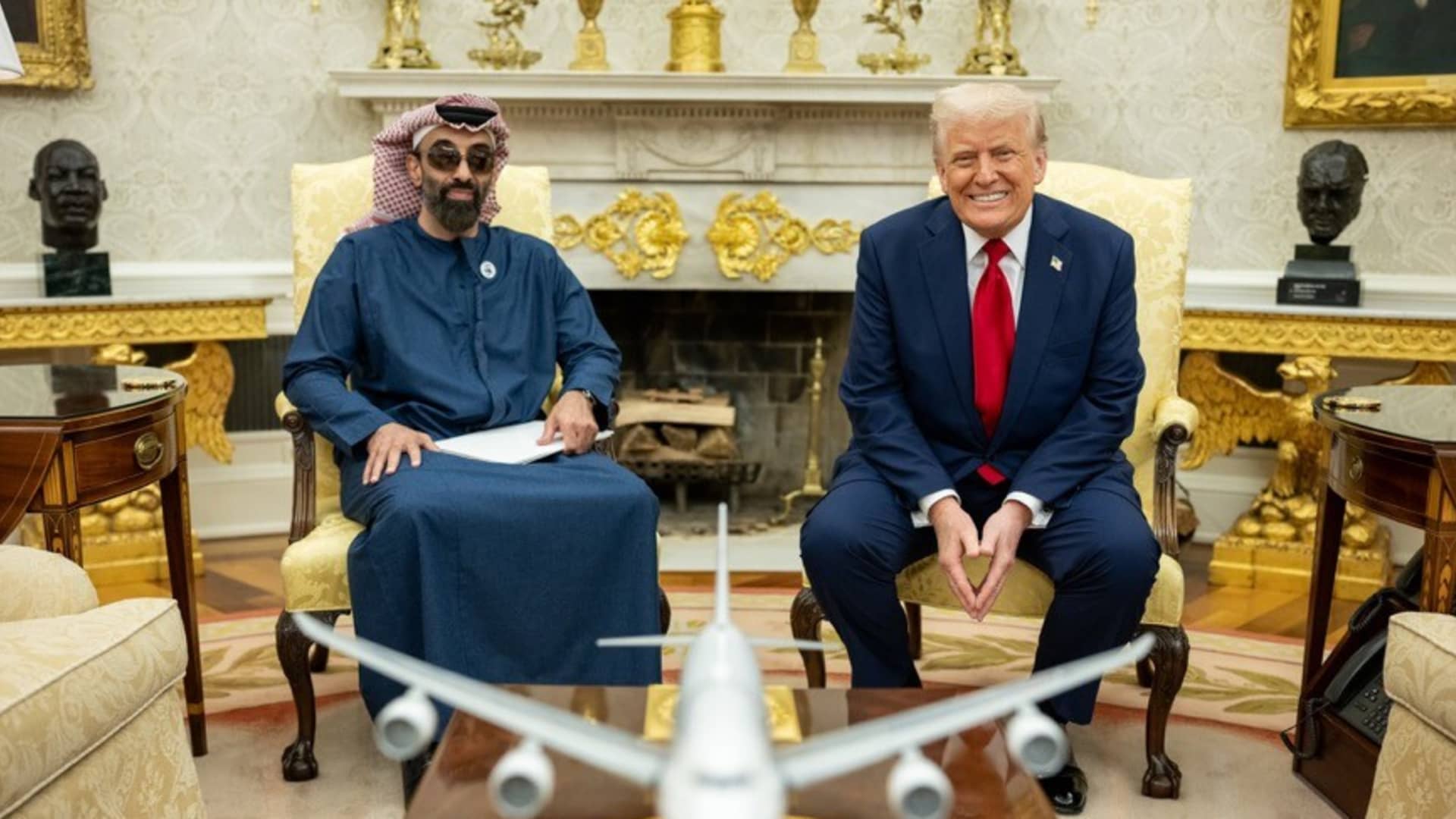
Sheikh Tahnoon bin Zayed al Nahyan of the UAE has secured a 49% stake in the holding company for the Trump-backed World Liberty Financial crypto bank. This venture, which holds preliminary federal approval, seeks to manage the issuance and custody of USD-pegged stablecoins under a unique trust charter.
The Strategic Intersection of Geopolitics and Digital Finance
The recent revelation that Sheikh Tahnoon bin Zayed al Nahyan, the UAE’s national security advisor, has secured a 49% stake in the holding company for World Liberty Financial’s proposed US trust bank marks a significant milestone in the intersection of international diplomacy and emerging financial technologies. By backing WLTC Holdings through StringZ Holding RSC, the UAE official has deepened his financial entanglements with the Trump family business empire, which maintains a 38% stake in the same venture.
Understanding the Trust Charter Mechanism
It is essential to clarify the regulatory framework under which this entity operates. The approval granted is a trust charter, not a traditional deposit-taking bank charter. The regulatory documentation explicitly states that under the GENIUS Act, stablecoins are not classified as deposits under the FDI Act. Consequently, these assets are not subject to FDIC insurance. This distinction is critical for investors and regulators alike, as it separates the venture from the risks and protections associated with conventional commercial banking.
The Role of Stablecoins in Future Finance
Should the venture receive final authorization, its primary mandate would involve the issuance, redemption, and reserve maintenance of a USD-pegged stablecoin. Additionally, the entity intends to provide digital asset custody services. This operational model mirrors previous industry precedents, such as those seen with Circle, where trust charters were utilized to legitimize the custody of digital assets within a federally supervised environment. The goal is to bring stablecoin infrastructure under a regulated umbrella to foster institutional trust.
Geopolitical and Ethical Implications
Critics and observers have noted the inherent conflicts of interest regarding the proximity of this venture to the US presidency. The timing of these investments—notably the $500 million infusion into World Liberty Financial in January 2025—coincides with the start of Donald Trump’s second term. The involvement of a senior foreign official in a project so closely linked to the President’s family raises questions regarding the transparency and oversight of such high-level financial ties, particularly given Sheikh Tahnoon’s role as the UAE’s national security advisor.
Regulatory Hurdles and Future Outlook
While the project has attained preliminary approval, it remains subject to stringent pre-opening requirements before it can commence business. The regulator’s decision to proceed despite identifying potential conflicts of interest highlights the current landscape of digital asset regulation, where innovation and political influence appear to be moving in tandem. As the venture moves toward final authorization, the market will be watching closely to see if this model sets a new standard for foreign-backed crypto entities operating within the United States.
Conclusion: A New Era of Financial Diplomacy
The partnership between the Trump-linked venture and the UAE’s leadership underscores a broader trend of sovereign wealth and political influence moving into the decentralized finance (DeFi) space. As global powers compete to define the future of digital currencies, this project serves as a case study for how political alliances and financial innovation are increasingly inseparable in the modern global economy.