Over 600 flights cancelled in UK air traffic glitch: What happened
Source Entity
The Indian Express
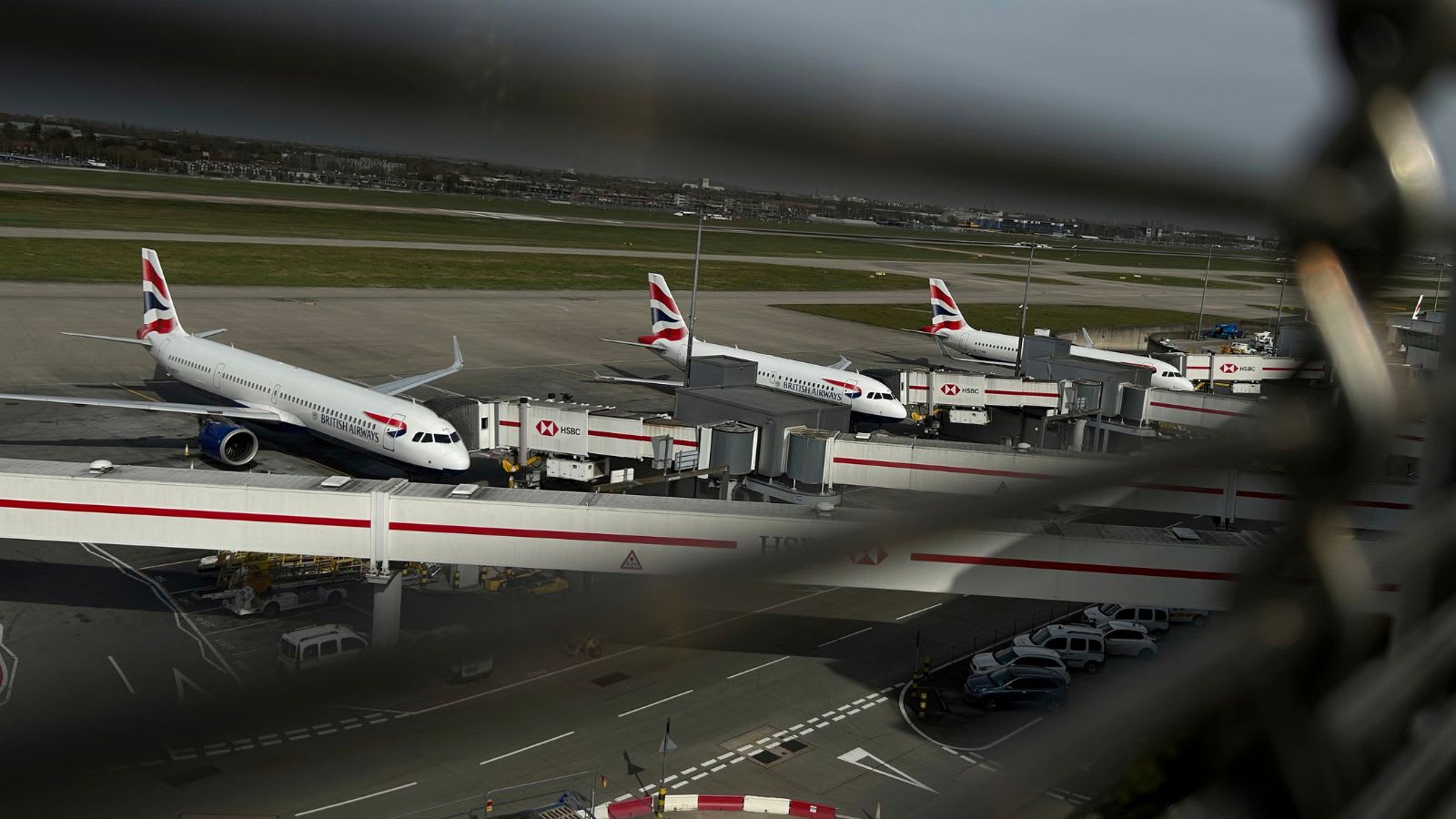
A significant technical failure in the UK's National Air Traffic Services (NATS) flight processing system led to over 600 flight cancellations on Tuesday. Engineers successfully identified and fixed the glitch, but widespread travel disruptions persisted across major British airports.
The UK Air Traffic Control Crisis: A Systemic Failure
On Tuesday, the United Kingdom’s aviation infrastructure faced a massive disruption as a technical glitch within the National Air Traffic Services (NATS) flight processing system forced the grounding of hundreds of aircraft. The incident, which resulted in over 600 reported flight cancellations, paralyzed major hubs and left thousands of passengers stranded across the country. The scale of the event highlights the fragility of modern air traffic management systems that rely on complex, centralized data processing.
Identifying the Root Cause
According to official statements from NATS, the disruption stemmed from a specific failure within their primary flight processing system. While the exact nature of the software or hardware error remains under technical review, the immediate impact was a total inability to manage flight plans safely, necessitating a nationwide halt on departures. NATS engineers were deployed urgently to the site to diagnose the fault, eventually identifying the issue and applying a fix to restore system functionality.
The Ripple Effect on Aviation Operations
While the technical fix was implemented within a few hours, the operational aftermath was far more enduring. Aviation operates on a 'just-in-time' model where crews, aircraft, and airport slots are tightly synchronized. When the NATS system went offline, it created a massive backlog that could not be cleared immediately. Even after the system was deemed functional, the cascading delays meant that hundreds of flights remained grounded or severely delayed, as airlines struggled to reallocate staff and reposition aircraft displaced by the initial outage.
Infrastructure Vulnerability and Modernization
This event serves as a stark reminder of the vulnerability of critical national infrastructure. Air traffic control systems are designed with high levels of redundancy, yet the nature of this glitch suggests that the core processing layer remains a single point of failure. As global air travel demand continues to recover and grow, the pressure on these aging or increasingly complex digital architectures becomes a significant concern for international aviation safety authorities.
Economic and Social Implications
Beyond the logistical headache, the financial impact on airlines and the travel industry is substantial. Beyond the cost of passenger compensation and rebooking, the disruption impacts international business and tourism, highlighting the interconnected nature of the UK economy with global transit hubs. The incident will likely trigger rigorous post-mortem investigations by aviation regulators to determine how such a critical failure bypassed existing safety fail-safes and what measures are required to prevent a recurrence.
Looking Toward Future Resilience
Moving forward, the focus for NATS and similar organizations globally will be on system hardening and the implementation of more robust, decentralized recovery protocols. While the engineers were able to resolve the issue in a relatively short timeframe, the total halt of UK airspace underscores that recovery speed is only one part of the equation; system resilience and the ability to maintain a degraded, yet functional, level of service remains the ultimate goal for future aviation technology developments.