Russia's cyberwar on Europe: UK, EU strike back with joint sanctions
Source Entity
TOI WORLD DESK
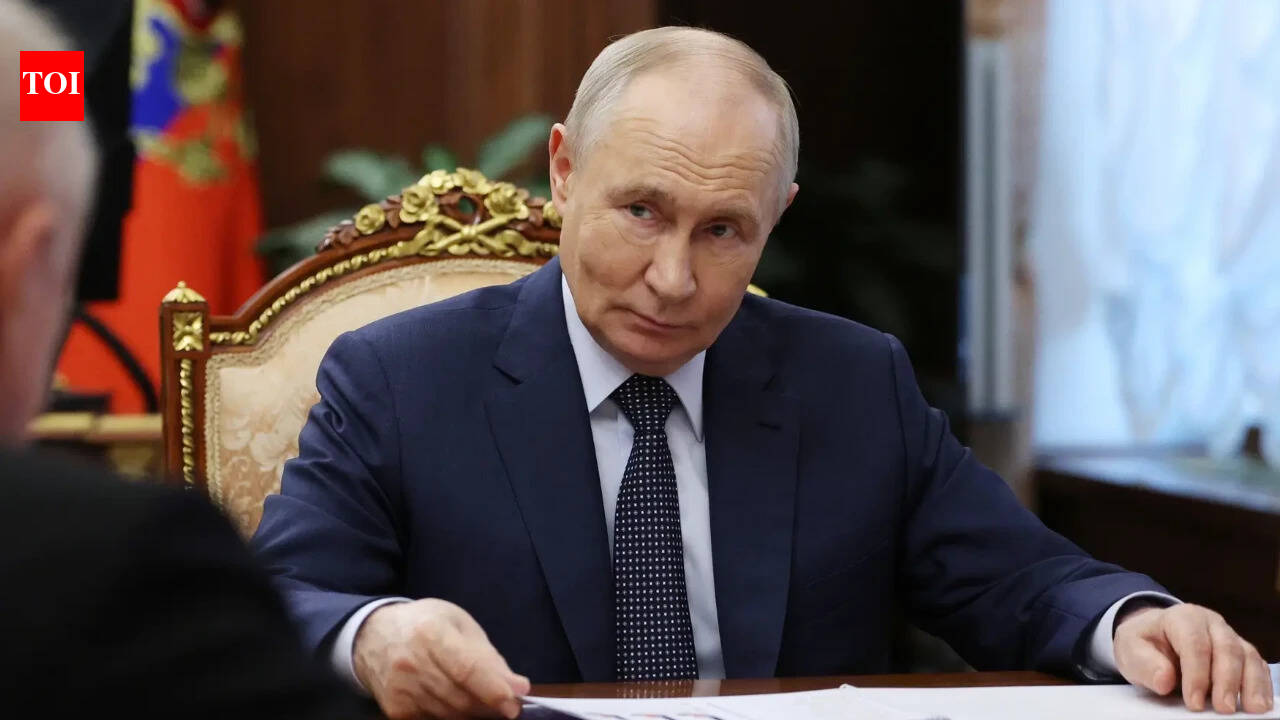
The UK and European Union have imposed their first joint cyber sanctions package against Russia EU targets FSB's 16th Centre UK targets disinformation networks Campaign against Russian information ...
A Unified Front: The UK and EU Combat Russian Cyberwarfare
In a landmark escalation of diplomatic and economic pressure, the United Kingdom and the European Union have coordinated to launch their first joint cyber sanctions package against the Russian Federation. This strategic alignment represents a significant shift in the Western approach to digital security, moving away from fragmented, individual state responses toward a unified geopolitical bloc. By synchronizing their sanctions, the UK and EU aim to increase the cost of state-sponsored cyber aggression and send a clear signal that the digital sovereignty of European nations is a collective priority.
Targeting the Heart of Intelligence: The FSB's 16th Centre
A primary focus of the EU's component of these sanctions is the FSB's 16th Centre. This specific entity within the Russian Federal Security Service is widely recognized as a hub for high-level cyber operations and intelligence gathering. By targeting this center, the EU is not merely punishing an abstract entity but is directly striking the operational infrastructure responsible for infiltrating foreign networks and executing disruptive cyberattacks. This move highlights a growing capability among Western intelligence agencies to accurately attribute cyberattacks to specific state organs, effectively stripping away the veil of anonymity that Russia has historically utilized to conduct 'gray zone' warfare.
Dismantling the Machinery of Disinformation
While the EU focuses on the technical infrastructure of the FSB, the UK's efforts are heavily weighted toward the dismantling of Russian disinformation networks. The modern cyberwar is not fought solely with code and malware; it is fought through the manipulation of perception. By targeting the networks that disseminate state-sponsored falsehoods, the UK is addressing the 'cognitive' dimension of cyberwarfare. These networks are designed to destabilize democratic processes, sow social discord, and erode trust in public institutions. Targeting these assets suggests that the UK views information integrity as a critical component of national security, equal in importance to the protection of physical or digital infrastructure.
The Strategic Importance of Joint Coordination
The decision to make this a joint package is the most analytically significant aspect of the event. Historically, Russia has exploited the differences in legal frameworks and political will between the UK and EU member states to evade the full impact of sanctions. A coordinated strike eliminates these loopholes, ensuring that sanctioned individuals and entities cannot simply shift their operations from one European jurisdiction to another. This synergy transforms the sanctions from a symbolic gesture into a potent economic and political tool, creating a more formidable barrier against the Kremlin's digital ambitions.
Future Trends in Cyber-Diplomacy and Escalation
Looking forward, this joint action likely sets a precedent for 'cyber-diplomacy,' where digital attribution leads directly to coordinated economic penalties. We can expect a trend toward more frequent and more precise 'surgical' sanctions that target specific units within the GRU or FSB. However, this path also carries the risk of escalation. As the West increases the cost of cyber operations, Russia may respond by intensifying its efforts or shifting toward more aggressive, non-attributed methods of disruption. The ongoing battle will likely evolve into a race between Western attribution capabilities and Russian obfuscation techniques.
Conclusion
The joint sanctions imposed by the UK and EU mark a critical turning point in the confrontation between Western democracies and Russian cyber capabilities. By targeting both the technical apparatus of the FSB's 16th Centre and the psychological apparatus of disinformation networks, the allies are addressing the full spectrum of modern hybrid warfare. While sanctions alone may not end Russia's cyber ambitions, the transition to a unified, coordinated response significantly strengthens the collective resilience of Europe and the UK in an increasingly volatile digital landscape.