USS Columbia: The US nuclear submarine built to run 42 years without reactor refueling
Source Entity
TOI DEFENCE DESK
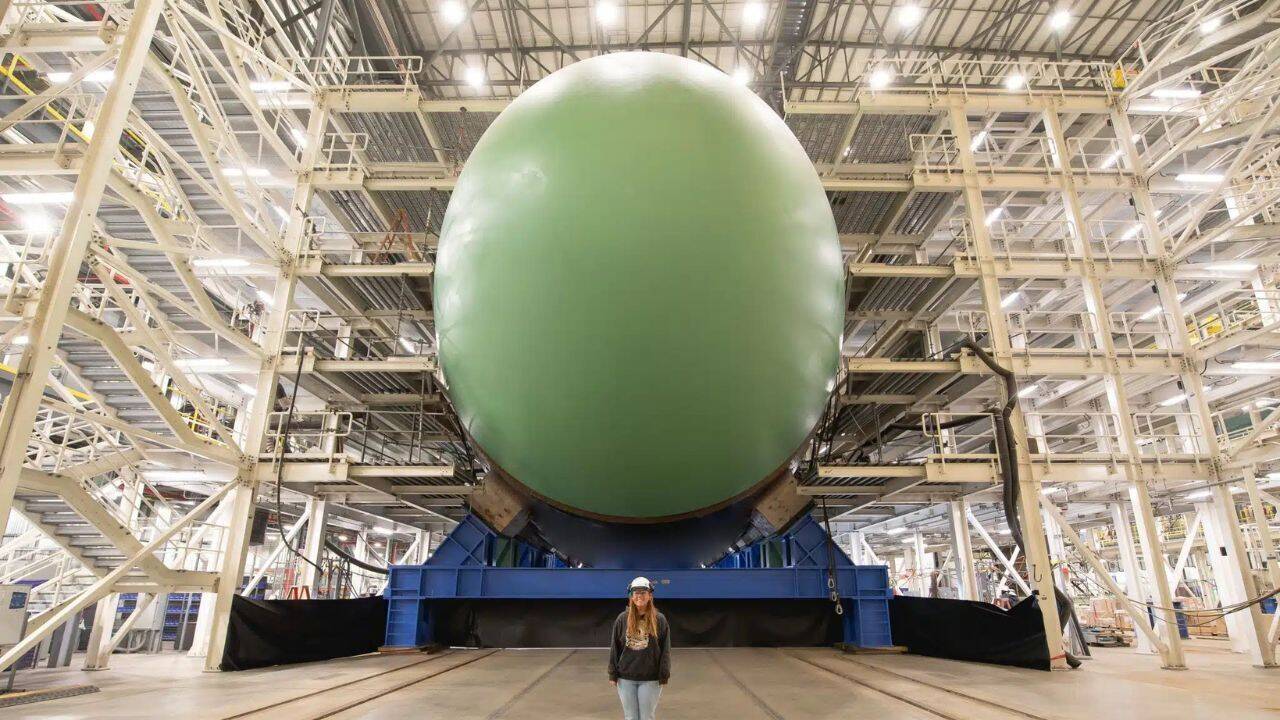
The United States is in the process of building its advanced Columbia-class submarines, designed to strengthen its nuclear deterrent. These submarines will incorporate a life-of-ship nuclear reactor, which will eliminate the need for mid-life refueling, enhancing operational readiness and lowering long-term costs. Set to replace the older Ohio-class vessels, the first of these submarines is expected to be delivered in 2029, greatly improving stealth capabilities and survivability at sea.
The Dawn of the Columbia-Class: Redefining Nuclear Deterrence
The United States is currently embarking on one of its most critical naval modernization efforts with the development of the Columbia-class submarines. These vessels are not merely incremental upgrades but represent a paradigm shift in how the US maintains its sea-based leg of the nuclear triad. By replacing the venerable Ohio-class submarines, the Columbia-class is designed to ensure that the US maintains a credible and survivable nuclear deterrent in an increasingly complex global security environment. The integration of cutting-edge propulsion and stealth technologies ensures that these submarines can operate undetected for extended periods, fulfilling their primary mission of strategic deterrence.
The Innovation of the Life-of-Ship Reactor
At the heart of the Columbia-class's superiority is the implementation of a life-of-ship nuclear reactor. Historically, nuclear submarines required a complex and costly mid-life refueling process, which involved cutting open the hull to replace spent nuclear fuel—a process that took years and removed the vessel from active duty. The Columbia-class eliminates this requirement entirely, with a reactor designed to operate for the full 42-year lifespan of the ship. This technological leap ensures that the submarine remains an active asset for far longer stretches of its service life, drastically reducing the window of vulnerability where a vessel is unavailable for deployment.
Operational Readiness and Strategic Survivability
Beyond the mechanical advantages of the reactor, the elimination of mid-life refueling has profound implications for operational readiness. In the realm of strategic deterrence, the most valuable asset a submarine possesses is its invisibility. By reducing the time spent in dry docks for reactor overhauls, the US Navy can maintain a more consistent presence at sea. Furthermore, the Columbia-class is engineered with enhanced stealth capabilities, utilizing advanced hull designs and noise-reduction technologies to evade modern sonar. This increased survivability is essential for ensuring that the US can execute its second-strike capability, which is the cornerstone of global nuclear stability.
Economic Implications and Industrial Streamlining
From a fiscal and logistical perspective, the Columbia-class represents a strategic move toward long-term cost efficiency. While the initial procurement costs of such advanced technology are high, the removal of the mid-life refueling cycle removes one of the most expensive and labor-intensive maintenance requirements in naval history. This allows the US Navy to streamline its shipyard operations and allocate resources toward other modernization efforts. By lowering the long-term lifecycle costs per vessel, the Navy can ensure the sustainability of the fleet without placing undue strain on the defense budget over the coming decades.
Geopolitical Context and Future Trends
The transition to the Columbia-class occurs at a time of heightened geopolitical tension and the proliferation of advanced anti-submarine warfare (ASW) capabilities globally. As adversaries develop more sophisticated sensor arrays, the need for a submarine that is quieter and more durable becomes paramount. The delivery of the first Columbia-class vessel in 2029 will signal a new era of underwater dominance, forcing a strategic recalculation among global powers. Future trends suggest that the success of this program will likely influence the design of other naval assets, pushing the industry toward longer-lasting power sources and reduced maintenance footprints.
Conclusion: A Pillar of 21st Century Security
In summary, the USS Columbia and its sister ships are more than just replacements for the Ohio-class; they are a sophisticated response to the evolving threats of the 21st century. By combining a life-of-ship reactor with superior stealth and survivability, the US is securing its nuclear deterrent for the next half-century. As the first vessel arrives in 2029, the Columbia-class will stand as a testament to engineering excellence and a critical pillar of international strategic stability.