Apparently, wealth is for men and work is for women
Source Entity
Bina Agarwal
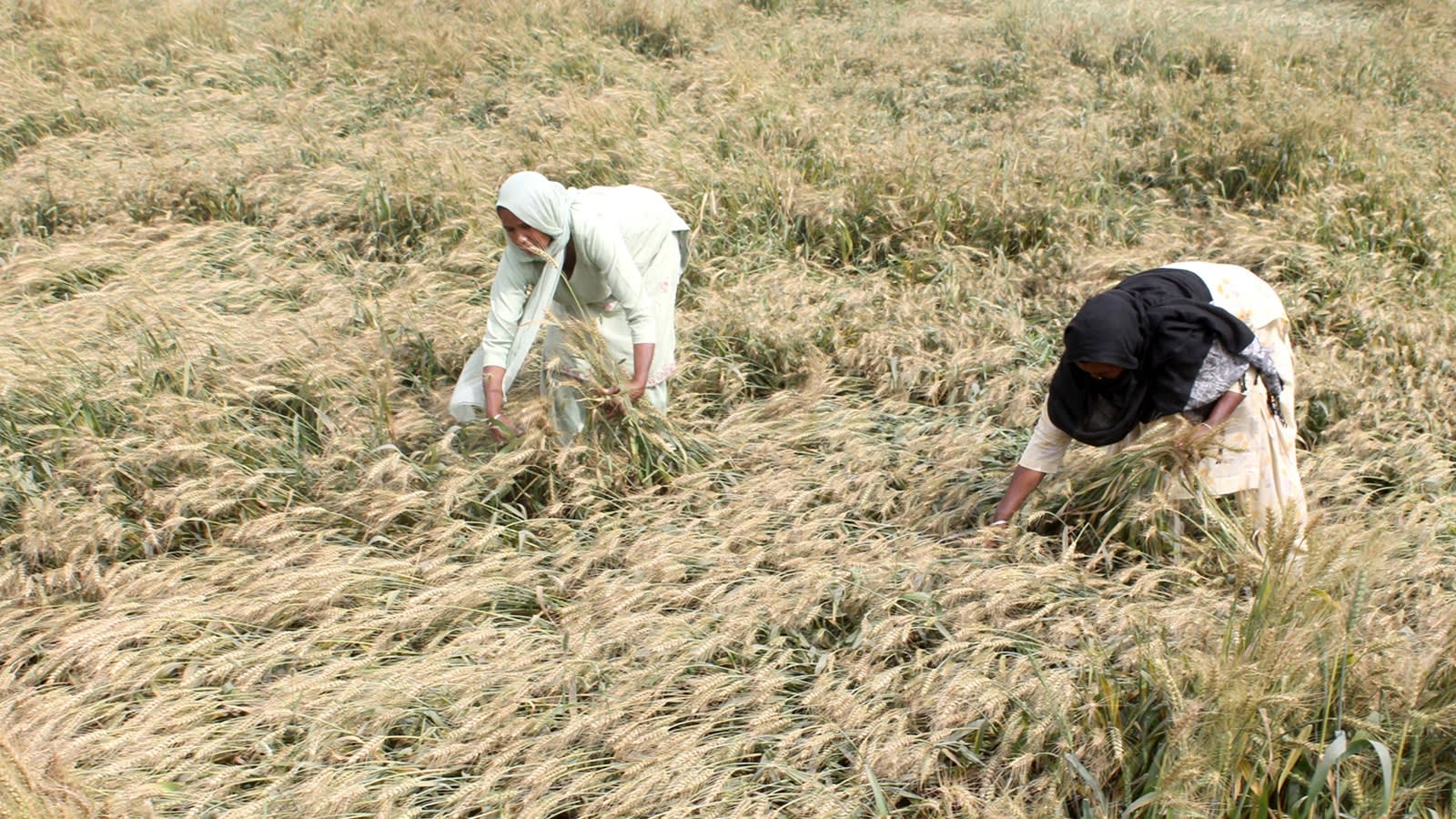
The World Inequality Report 2026 was published this June by the World Inequality Lab, Paris School of Economics. The UN report ‘Counting What Counts’ was released this May. The first focuses on inequa...
The Great Divide: Analyzing the Gender Gap in Wealth and Labor
The recent publication of the World Inequality Report 2026 by the World Inequality Lab at the Paris School of Economics, coupled with the UN report 'Counting What Counts', has brought a stark reality to the forefront of global economic discourse: the profound decoupling of labor and wealth along gender lines. Together, these documents suggest a systemic global architecture where wealth accumulation is predominantly a male prerogative, while the essential, often invisible work that sustains society is disproportionately borne by women. This duality creates a cycle of economic dependency and vulnerability that transcends borders and socio-economic classes.
The Concentration of Wealth in Male Hands
The World Inequality Report 2026 underscores a persistent and widening gap in asset ownership. Historically, wealth—defined as the ownership of land, stocks, real estate, and capital—has been concentrated among men due to legal frameworks, inheritance customs, and systemic barriers to female financial autonomy. This concentration is not merely a result of income differences but of wealth differences. While income is a flow, wealth is a stock that generates further income through interest and dividends. When wealth is skewed toward men, it creates a compounding effect where men possess the collateral and capital necessary to engage in high-return investments, further distancing them from women who may be earning similar wages but lack the same asset base.
The Invisible Labor of Women
Complementing this analysis is the UN report 'Counting What Counts,' which focuses on the critical but undervalued nature of female labor. The phrase "work is for women" in this context refers largely to the 'care economy'—the unpaid domestic work, childcare, and eldercare that serves as the bedrock of the global economy. By failing to quantify this labor in traditional GDP metrics, global economic systems effectively render women's primary contributions invisible. This 'invisible labor' ensures that the formal economy can function, yet it provides no financial security or pensionable benefits to the women performing it, directly contributing to the wealth gap highlighted by the Paris School of Economics.
The Systemic Feedback Loop
The intersection of these two reports reveals a devastating feedback loop. Because women are socialized and economically pressured to provide the bulk of unpaid care work, they have less time and opportunity to accumulate the professional experience and financial capital required to build wealth. Conversely, the ability of men to delegate care work (often to women) allows them more time to focus on wealth-generating activities. This is not a coincidence of personal choice but a structural arrangement. The 'Counting What Counts' report suggests that until care work is economically valued and redistributed, the wealth disparities noted in the World Inequality Report will remain entrenched.
Broader Implications and Future Economic Trends
Looking forward, the findings of these reports suggest that traditional economic growth models are unsustainable if they continue to rely on the unpaid labor of women. As global populations age, the demand for care work will increase, potentially placing an even greater burden on women and further widening the wealth gap. There is a growing movement toward 'feminist economics,' which advocates for the integration of care work into national accounting and the implementation of policies such as universal basic income or subsidized childcare to decouple survival from traditional asset ownership. If governments do not act to redistribute both the burden of work and the access to wealth, social instability and economic fragility are likely to increase.
Conclusion
In summary, the World Inequality Report 2026 and the UN's 'Counting What Counts' provide a comprehensive indictment of the current global economic order. The evidence clearly indicates that the world is operating under a paradigm where wealth is an instrument of male power, while labor is a requirement of female survival. Bridging this gap requires more than just equal pay; it requires a fundamental reimagining of how society values work and who is permitted to own the fruits of that labor. Only by quantifying the 'invisible' and redistributing the 'accumulated' can true economic gender parity be achieved.