The UK's War on Anonymity Has Come to America
Source Entity
Hacker News
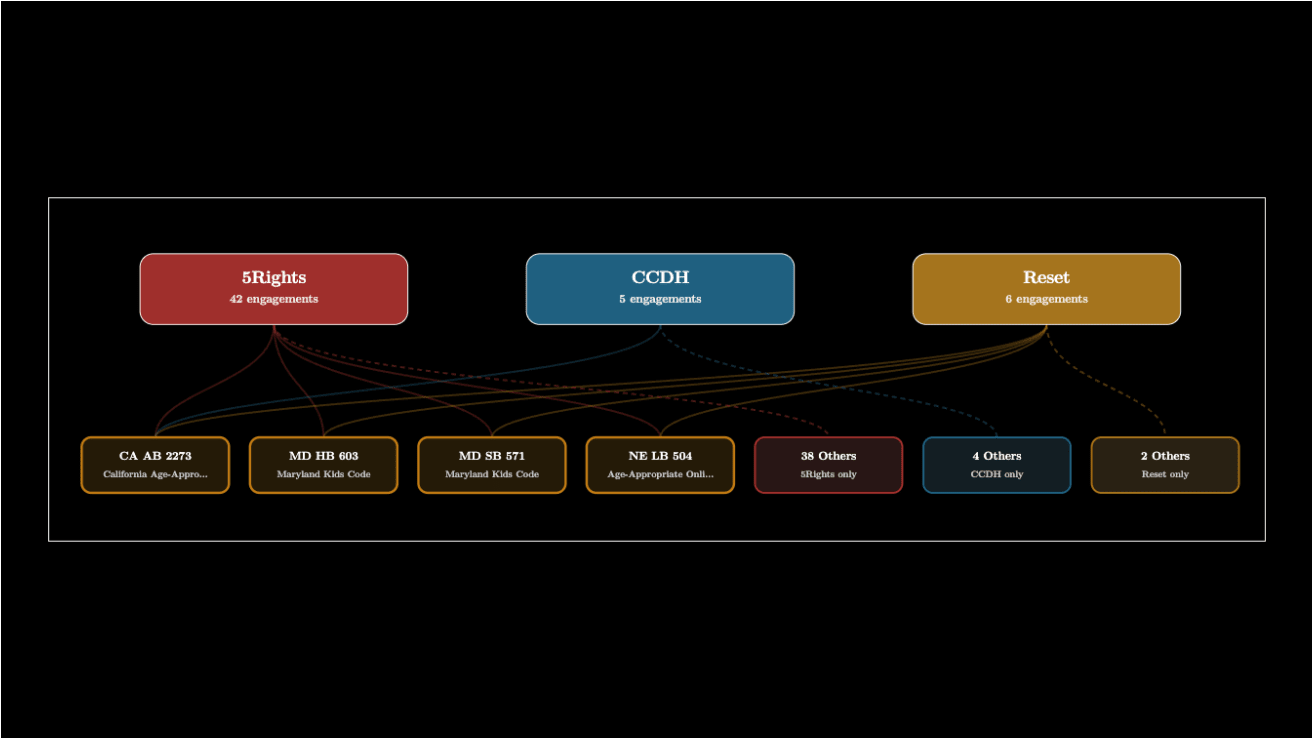
Foreign NGOs are reportedly coordinating efforts to push digital ID legislation across 21 U.S. states under the guise of child safety. Critics argue this strategy mirrors British policies that have allegedly undermined internet anonymity and enabled political surveillance.
The Transatlantic Campaign Against Digital Anonymity
Recent investigative findings have unveiled a coordinated effort by five foreign non-governmental organizations (NGOs) and their domestic American affiliates to reshape the digital landscape in the United States. By leveraging the rhetoric of 'child safety,' these groups are lobbying for the implementation of digital ID laws that would effectively mandate the end of internet anonymity for adult users. This campaign, which has already seen significant legislative movement across 21 states and the District of Columbia, represents a fundamental shift in how digital identity is managed at the state level.
The British Precedent and Its Consequences
The strategy currently being deployed in the United States appears to be a direct replication of a playbook successfully executed in the United Kingdom. In Britain, the passage of similar digital ID requirements has created a infrastructure that critics argue has transformed the internet from an open, anonymous space into a surveilled environment. By requiring verifiable digital identities, the state has gained the technical capacity to track, identify, and prosecute individuals, a development that human rights advocates note has been utilized to target political dissidents.
Strategic Framing: The 'Child Safety' Narrative
The choice of 'child safety' as the primary vehicle for this policy is a calculated maneuver designed to garner broad public and legislative support. By framing digital ID laws as a necessary protective measure against online exploitation, these NGOs have successfully bypassed the traditional scrutiny often applied to surveillance legislation. This framing creates a moral imperative that makes opposition politically difficult, effectively silencing dissent by equating the preservation of anonymity with the endangerment of minors.
The Erosion of Digital Countermeasures
Internet anonymity has long been regarded as a vital technological safeguard against authoritarian overreach and a prerequisite for democratic discourse. By stripping away this layer of protection, the proposed legislation threatens to dismantle a foundational pillar of digital privacy. If successful, these state-level mandates would create a patchwork of regulations that effectively nullify the ability of American citizens to interact online without direct state-linked identification, fundamentally altering the user experience and the nature of digital assembly.
Broader Implications for American Law
The convergence of foreign NGO interests on American legislative bodies raises significant questions regarding the influence of external policy frameworks on domestic law. As these organizations push their agenda across 21 states, they are essentially creating a groundswell of state-level policy that could eventually set a national precedent. This 'bottom-up' approach to federal policy change is a sophisticated method of circumventing national-level debate by normalizing restrictive digital practices in local jurisdictions first.
Future Trends and Outlook
Looking forward, the success or failure of these initiatives in the United States will likely serve as a litmus test for the global future of the internet. If these digital ID laws continue to proliferate, we can expect a gradual decline in the efficacy of anonymous whistleblowing, grassroots activism, and private discourse. The trend points toward a more controlled and identified digital ecosystem, where the technical capacity for state surveillance is baked into the authentication process of every online interaction, mirroring the restrictive systems now established in Britain.