RSS leader, who said ‘rapes and murders will happen’ at Jantar Mantar protest, held
Source Entity
The Indian Express
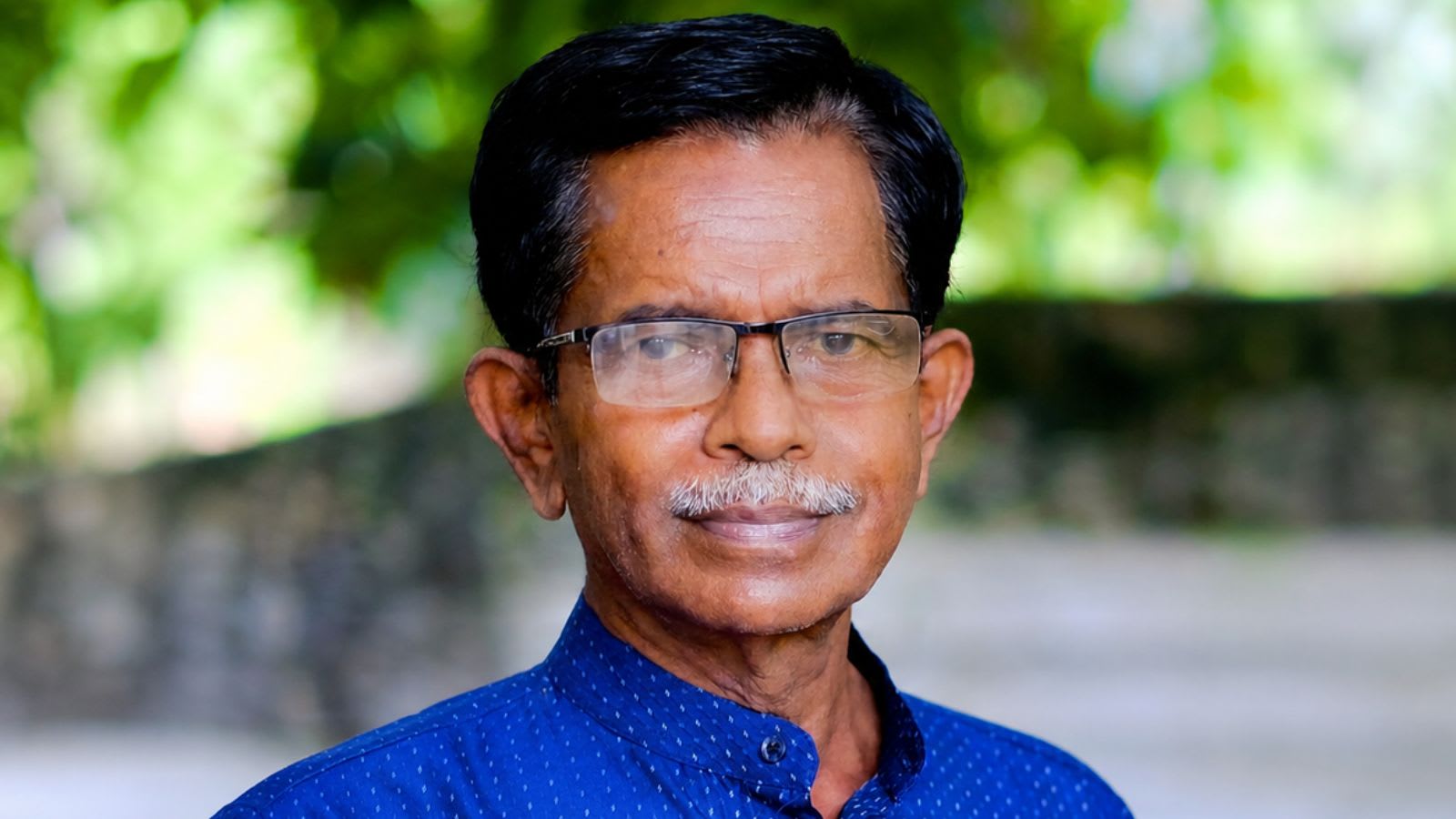
RSS leader T.G. Mohandas has been taken into custody by Kerala police following controversial remarks regarding student protests at Jantar Mantar. The arrest has sparked a political standoff between the ruling state government and the BJP.
The Arrest of T.G. Mohandas: A Deep Dive into Political Discourse and Legal Action
The Incident and Police Custody
On August 9, 2026, the Thiruvananthapuram Cyber Police took Hindutva ideologue and former BJP state intellectual cell head T.G. Mohandas into custody. This action followed a series of inflammatory remarks made by Mohandas on his YouTube channel, 'Pathrika.' In videos discussing the NEET paper leak protests at Jantar Mantar, New Delhi, Mohandas suggested that he would have imposed a curfew, ordered the shooting of protesters, and suggested that 'rapes and murders will happen' in such environments. These statements triggered widespread outrage, prompting student organizations like the Students Federation of India (SFI) and the All India Students Federation (AISF) to file formal complaints and organize protest marches to his residence.
Legal Implications and Public Safety
The case against Mohandas centers on allegations that his content was designed to disturb public peace and incite fear and unrest. By advocating for lethal force against student demonstrators and using rhetoric involving extreme violence, Mohandas crossed the threshold from political commentary into potential criminal provocation. Cyber police are currently conducting a detailed investigation to determine the extent of the legal violations, marking a significant move by authorities to curb rhetoric that could potentially incite real-world violence against student activists.
Political Fallout and Allegations of Bias
The arrest has ignited a fierce political debate in Kerala. The Bharatiya Janata Party (BJP) has publicly condemned the police action, labeling it 'discriminatory' and an abuse of state power. The BJP leadership alleges that the Kerala government is utilizing this arrest as a tactical diversion to shift public focus away from pressing issues, specifically concerns regarding flood relief operations and ongoing protests in the state’s coastal regions. This narrative highlights the increasing tension between the ruling administration and opposition parties, where legal proceedings are frequently viewed through a partisan lens.
Broader Implications for Free Speech
This incident raises critical questions regarding the boundaries of free speech and political expression in India. While the right to dissent is a cornerstone of democracy, the legal system is increasingly tasked with defining where 'commentary' ends and 'incitement to violence' begins. Mohandas's specific threats regarding the use of lethal force against protesters have forced a public conversation about the responsibility of digital media influencers and political commentators in maintaining social order.
Future Trends and Conclusion
As the investigation proceeds, the case will likely serve as a litmus test for how law enforcement handles inflammatory digital content. If the prosecution successfully proves that the content was intended to create public unrest, it could set a precedent for more rigorous monitoring of political rhetoric on social media platforms. The outcome will not only impact Mohandas’s legal standing but also shape the discourse surrounding the limits of political advocacy in an increasingly polarized digital environment. The ongoing standoff between the BJP and the state government suggests that this case will remain a focal point of regional political friction for the foreseeable future.
Multiple Citing Sources