UK Oil and Gas Group Says Earlier Tax Shift Could Raise £14.9 Billion
Source Entity
Yahoo Finance
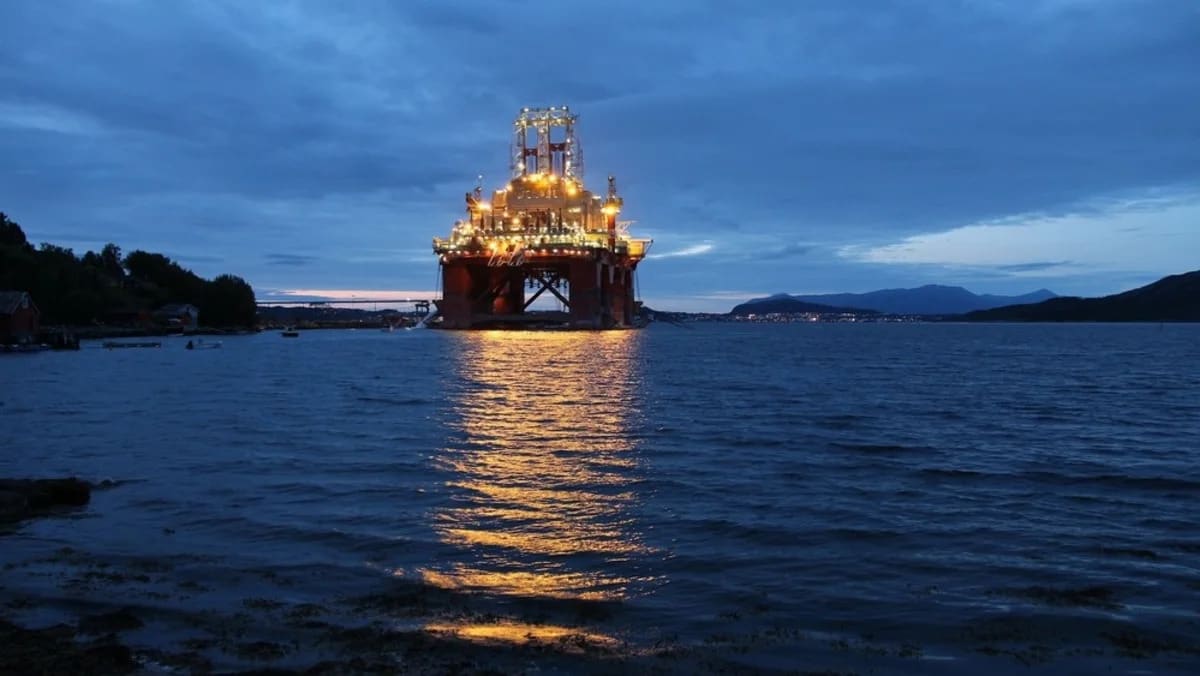
Offshore Energies UK is urging the government to accelerate the implementation of a new tax regime to 2027. They argue this shift could generate £14.9 billion in revenue while stabilizing the volatile investment climate in the North Sea.
The Call for Fiscal Certainty in the UK Energy Sector
A pivotal report from Offshore Energies UK (OEUK) has brought the debate over the UK's North Sea fiscal policy to the forefront of the national economic conversation. The industry group posits that by shifting the introduction of the new fiscal regime forward from 2030 to 2027, the British government could secure an additional £14.9 billion ($20 billion) in revenue. This proposal centers on the implementation of a price-triggered Oil and Gas Revenue Levy, which is designed to replace the existing Energy Profits Levy.
The Impact of Policy Volatility
The UK energy sector has been subjected to a series of rapid tax adjustments since 2022, enacted by both Conservative and Labour administrations. This inconsistency has created an environment of profound unpredictability for energy firms. According to the OEUK, this lack of clarity has directly contributed to a decline in capital investment, as companies are increasingly signaling their intent to exit the UK North Sea entirely. The industry argues that stable taxation is a prerequisite for the long-term capital commitments required for offshore energy projects.
Economic Implications of the Proposed Shift
By calling for the government to pull forward the tax change to January 2027, the OEUK is attempting to bridge the gap between necessary government revenue generation and the financial viability of offshore operations. The £14.9 billion figure serves as a significant incentive for the government to consider this acceleration. If successful, this shift could effectively replace the current, arguably more punitive, windfall tax structure with a more predictable, price-sensitive mechanism that aligns better with market realities.
Historical Context: The Windfall Tax Legacy
The roots of the current tension lie in the 2022 energy crisis, when the Conservative government introduced the initial windfall tax on oil and gas profits. While the tax was designed to address the surge in energy prices, the subsequent cycles of policy changes have resulted in a disjointed fiscal framework. The industry’s call for reform is, in essence, a plea for the government to move past the crisis-management policies of the early 2020s and adopt a long-term strategy that encourages domestic production.
Future Trends and Strategic Outlook
Looking ahead, the response of the Burnham government to this proposal will be a bellwether for the future of the UK’s energy security. If the government opts to accelerate the fiscal transition, it may stabilize the sector and prevent a mass exodus of investment capital. Conversely, maintaining the status quo until 2030 risks further erosion of the UK's offshore capabilities. The ultimate goal for policymakers will be to balance the need for revenue against the imperative of maintaining a competitive, attractive climate for energy investment in an increasingly globalized market.