UK special forces could face prosecution as Afghanistan evidence referred to police
Source Entity
BBC News
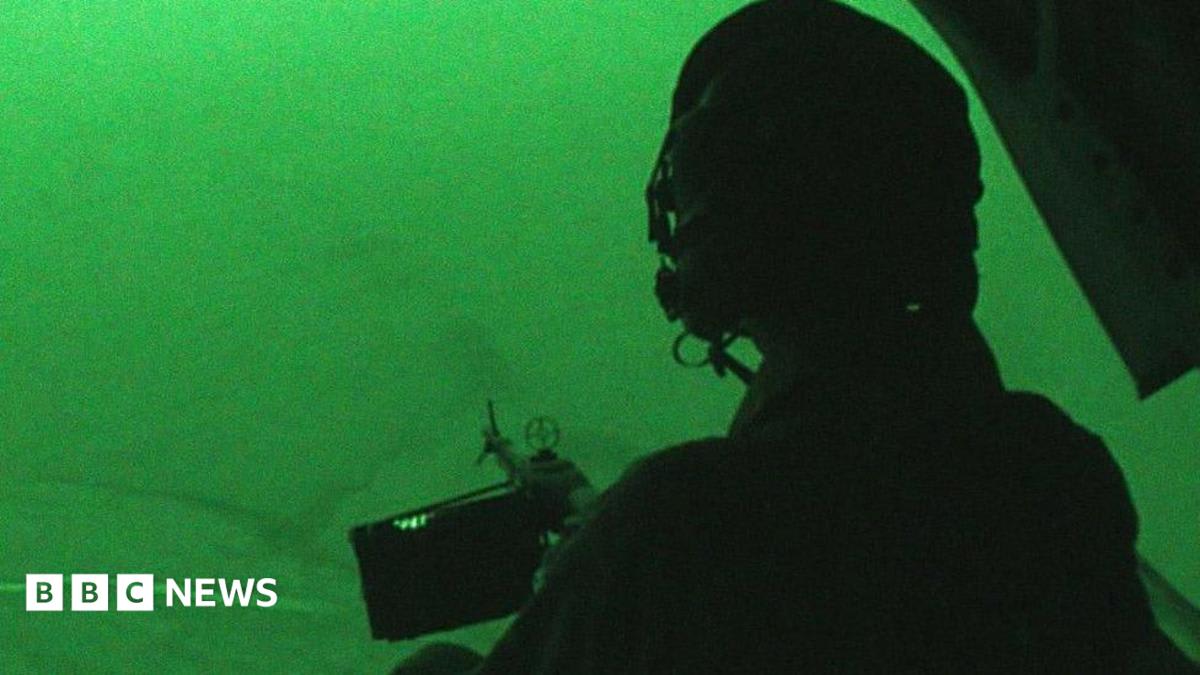
UK special forces face potential prosecution after the SAS Inquiry uncovered evidence of serious offenses during 2010-2013 Afghan operations. This marks a significant shift as the investigation officially refers findings to military police under the Armed Forces Act.
The SAS Inquiry and the Shadow of Accountability
Recent developments in the ongoing SAS Inquiry have signaled a major turning point for the UK military establishment. For the first time, the inquiry has formally acknowledged that evidence uncovered during its investigation into operations in Afghanistan between 2010 and 2013 has been referred to the military police. This referral, which encompasses potential charges including murder and manslaughter under the Armed Forces Act, suggests a significant escalation in the scrutiny of UK special forces (UKSF) conduct during the height of the Afghan conflict.
The Legal Framework of the Investigation
The referral process is dictated by the Armed Forces Act, which mandates that specific 'Schedule 2' serious offenses must be handled through official police channels. The evidence in question was identified by the Ministry of Defence (MoD) earlier this year, following rigorous inquiries into detention operations conducted by British personnel. By bringing these findings into the public record during court proceedings, the inquiry has moved from a fact-finding mission to a potential precursor for criminal litigation, placing the actions of elite units under the direct lens of the British justice system.
Historical Context: The Afghan Theater (2010-2013)
The period between 2010 and 2013 represents a volatile chapter in the UK’s involvement in Afghanistan. During these years, British special forces were frequently engaged in high-stakes detention operations aimed at disrupting insurgent networks. The nature of these operations—often conducted in darkness, in remote locations, and under extreme duress—has long been a subject of speculation and concern. The current inquiry is tasked with untangling the complexities of these events, determining whether the rules of engagement were adhered to, or if the fog of war concealed instances of criminal misconduct.
Broader Implications for the Ministry of Defence
This development poses a significant challenge for the Ministry of Defence. The potential for criminal prosecution of special forces personnel strikes at the heart of military operational independence. While the state has a duty to uphold the rule of law and ensure human rights standards are met, the MoD must balance this with the morale and reputation of its most elite units. The referral indicates that the MoD is complying with the legal requirements of the Armed Forces Act, yet it also highlights the systemic difficulties in investigating incidents that occurred over a decade ago.
Future Trends and Judicial Scrutiny
Looking ahead, the trajectory of this inquiry will likely set a precedent for how future operations are documented and reviewed. As evidence continues to be processed by military police, the legal system will be tested by the challenges of gathering testimony and physical evidence from a conflict that has long since ended. The outcome of these investigations could lead to major policy reforms regarding the oversight of special forces, potentially mandating more transparent reporting requirements for detention operations in future military engagements.
Conclusion
The referral of evidence to military police marks a somber but necessary step toward transparency in the wake of the Afghan conflict. By acknowledging that serious offenses may have been committed, the UK government is grappling with the difficult legacy of its special forces operations. As the inquiry proceeds, the focus will remain on whether the mechanisms of justice can effectively address allegations of misconduct while upholding the integrity of the Armed Forces.