3 UN special rapporteurs flag 'opaque' SIR process; EC dismisses concerns as baseless
Source Entity
BHARTI JAIN
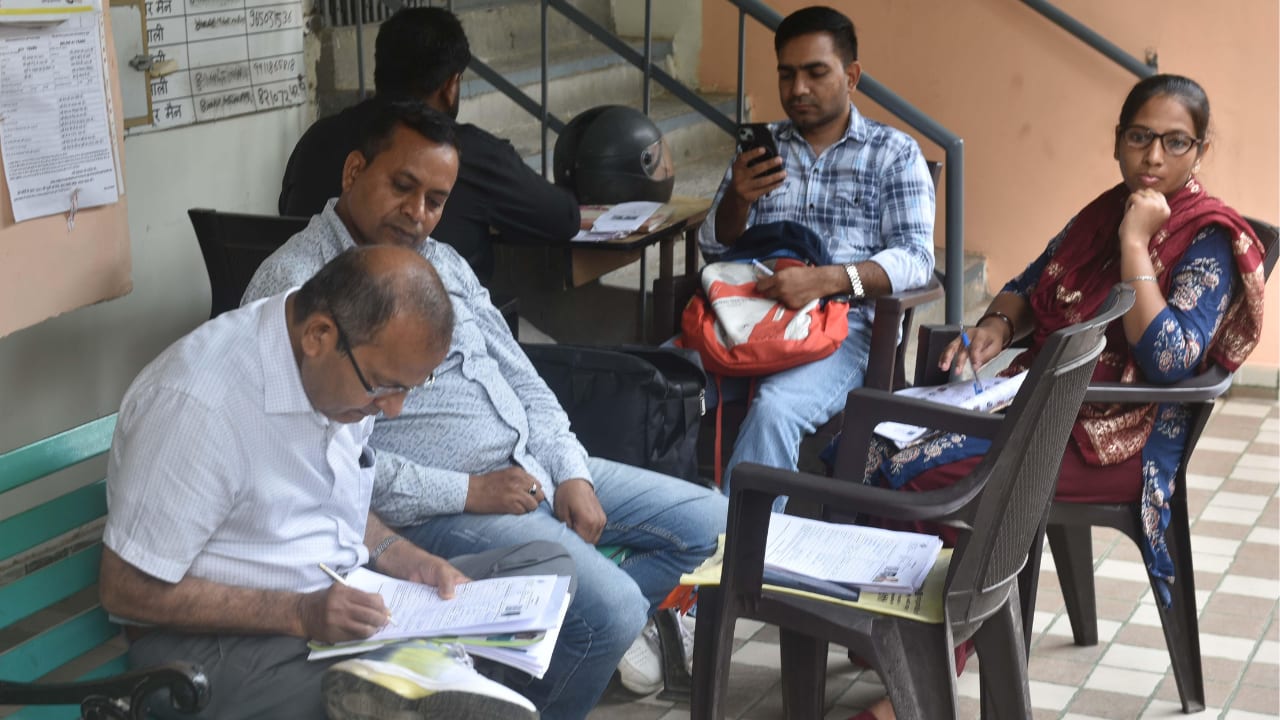
UN rapporteurs raised concerns about India's voter list revision process and alleged exclusion of minorities. Election Commission officials strongly refuted these allegations, calling them unfounded and unwarranted. The poll panel asserted that the special intensive revision process was transparent and constitutionally sound. They stated ample opportunities were given to electors to challenge any exclusions. The Supreme Court has upheld both the intent and process of this revision exercise.
The Clash Over Electoral Integrity: UN vs. India's Election Commission
The Core of the Dispute
A significant tension has emerged between international human rights monitors and India's domestic electoral authorities. Three United Nations special rapporteurs have formally flagged the "opaque" nature of India's Special Intensive Revision (SIR) process. Their primary concern centers on the potential for systematic exclusion, specifically alleging that the revision of voter lists may disproportionately impact minority communities. This allegation strikes at the heart of democratic legitimacy, as the accuracy and inclusivity of voter rolls are fundamental to the principle of universal suffrage.
Allegations of Opacity and Exclusion
The rapporteurs' critique focuses on the perceived lack of transparency within the SIR framework. By labeling the process as "opaque," the UN officials suggest that the methodologies used to verify and update voter data lack sufficient public oversight or clarity. The crux of their concern is the fear that these administrative procedures could serve as a mechanism for disenfranchising specific demographic groups, thereby impacting the political representation of minorities within the electoral system.
The Election Commission's Robust Defense
In a sharp rebuttal, the Election Commission of India (ECI) has dismissed the rapporteurs' concerns as "unfounded and unwarranted." The poll panel maintains that the Special Intensive Revision is a highly structured, transparent, and constitutionally mandated exercise. According to the ECI, the process is designed to ensure the integrity of the rolls rather than to exclude citizens. They emphasized that the revision process includes built-in safeguards, providing ample opportunities for electors to challenge any perceived errors or exclusions, thereby ensuring a system of checks and balances.
Judicial Validation and Constitutional Standing
Adding a layer of legal weight to the Election Commission's position, the Supreme Court of India has already intervened in the matter. The highest court in the country has upheld both the intent and the procedural framework of the revision exercise. This judicial endorsement serves as a critical defense for the ECI, suggesting that the revision process adheres to the constitutional standards required for maintaining a fair and democratic electoral system. The court's backing reinforces the argument that the SIR is a legitimate exercise of administrative authority.
Broader Implications for Democratic Oversight
This confrontation highlights a growing friction between international human rights monitoring and national sovereignty. While UN rapporteurs act as global watchdogs to ensure adherence to international norms, national institutions like the ECI view such critiques as interference in domestic administrative processes. The outcome of this debate carries significant implications for how international bodies interact with large democracies and how domestic electoral institutions manage the scrutiny that comes with maintaining massive, complex voter databases.
Conclusion: A High-Stakes Procedural Battle
Ultimately, the dispute over the SIR process represents more than just a disagreement over voter lists; it is a battle over the perception of electoral fairness. As the Election Commission continues to defend its transparency and the Supreme Court maintains its stance on the process's legality, the international community remains watchful. The resolution of such tensions is vital for maintaining public trust in the democratic process and ensuring that the mechanisms of voter registration remain both robust and inclusive.