Your flat has a 99-year lease. What happens when it ends?
Source Entity
TOI REAL ESTATE DESK
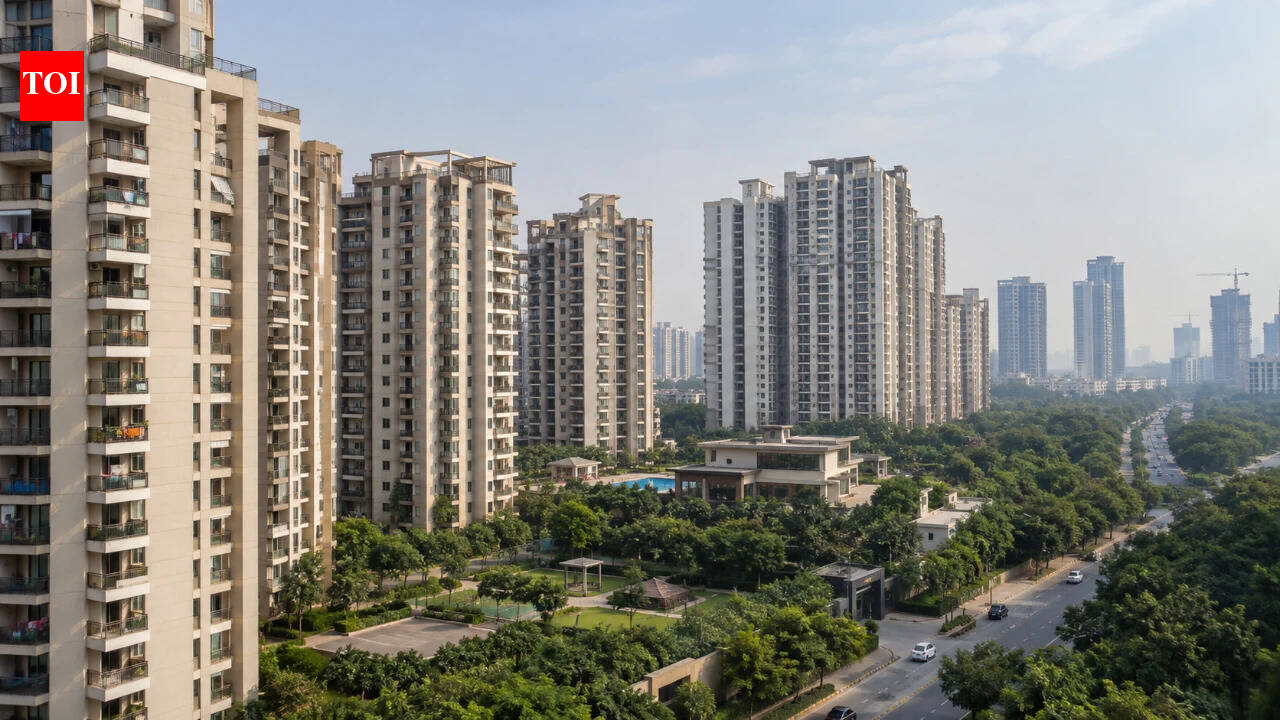
Property ownership in Noida and Greater Noida is primarily leasehold, governed by authorities for a 99-year term. Understanding lease terms and renewal conditions is critical for buyers to avoid legal risks and financial penalties.
Understanding Leasehold Ownership in Noida and Greater Noida
For prospective real estate investors and homebuyers in the National Capital Region (NCR), specifically Noida and Greater Noida, the distinction between leasehold and freehold properties is not merely a bureaucratic detail—it is the foundation of their legal claim to the land. Most residential and commercial developments in these regions are structured as leasehold properties, meaning the land itself is owned by government entities like the Noida Authority or Greater Noida Authority. Buyers effectively purchase the right to utilize the land for a fixed duration, typically 99 years, rather than obtaining absolute ownership.
The Mechanics of the 99-Year Lease
The 99-year lease model is a common urban planning tool used by development authorities to maintain long-term control over land use and infrastructure. Under this arrangement, the buyer is responsible for paying an annual lease rent to the governing authority. This payment is a recurring obligation that ensures the legality of the occupation. Failure to remain current with these payments can lead to significant legal complications, financial penalties, or even the jeopardization of the property title, making it vital for buyers to scrutinize their sale deeds and associated documentation.
Implications for Property Value and Resale
One of the most pressing concerns for property owners is what happens as the 99-year term approaches its conclusion. Because these leases are finite, the remaining duration of the leasehold significantly impacts the resale value of a property. As the expiration date draws nearer, potential buyers may become hesitant to invest due to the uncertainty surrounding the renewal process. Consequently, owners must be proactive in tracking their lease status to ensure their assets remain marketable and legally sound.
Renewal Conditions and Future Trends
While the 99-year term is standard, the process for renewal is governed by strict, specific conditions set forth by the respective authorities. These renewals are not automatic; they often involve administrative reviews and the payment of additional fees. As these cities continue to mature, the policy framework surrounding lease renewals will likely become a focal point of urban governance. Investors should anticipate that future policy shifts may address how these authorities handle aging real estate stock and whether conversion to freehold status might ever be a viable, standardized option.
Strategic Advice for Buyers
To mitigate risk, it is imperative for potential buyers to conduct thorough due diligence before finalizing any property transaction. This includes verifying the current status of lease rent payments, understanding the specific clauses regarding the transfer of lease rights, and consulting with legal experts who specialize in land laws within the NCR. By treating the leasehold agreement with the same level of importance as the physical structure of the home, buyers can protect their investment against future legal misunderstandings and ensure the long-term security of their property rights.