United Airlines suffers system outage amid lingering FAA ground-stop delays
Source Entity
Genna Contino
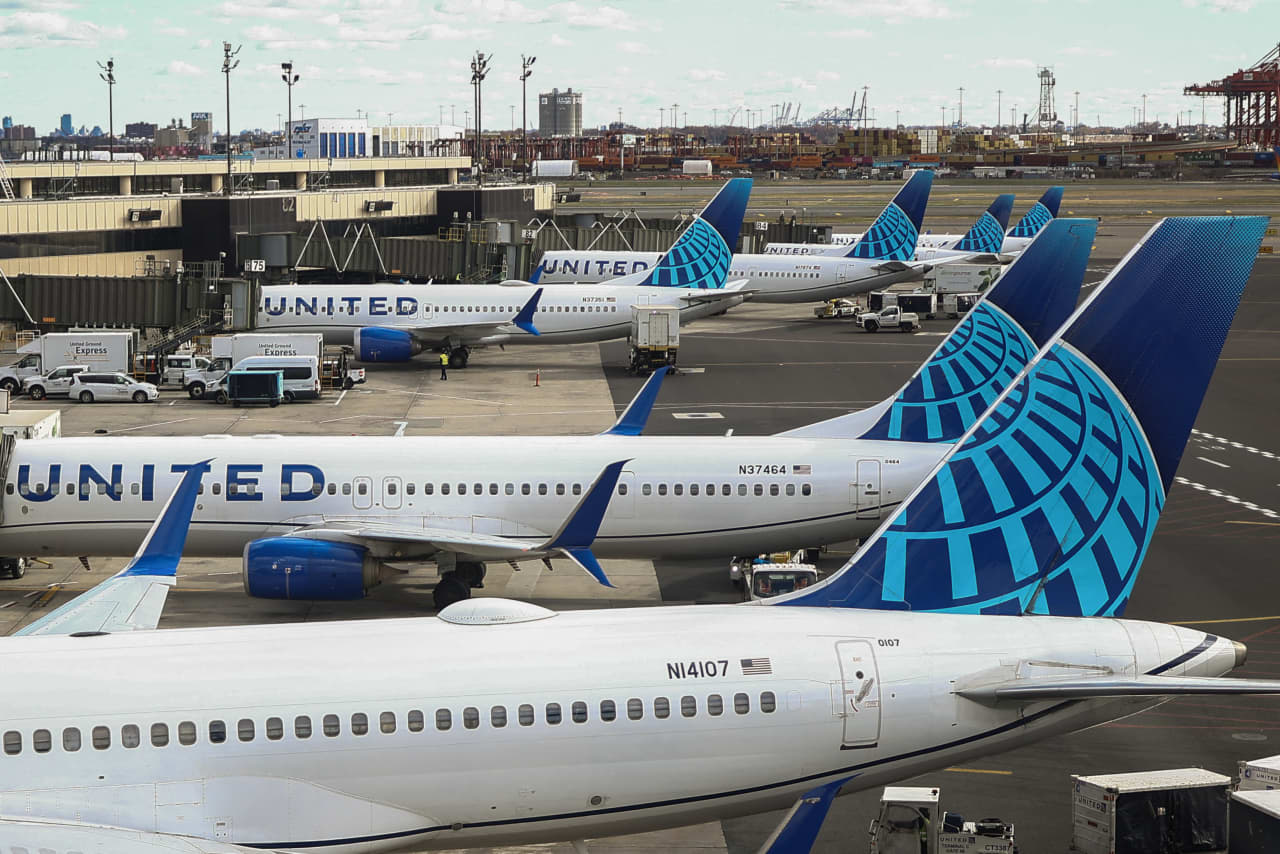
United Airlines faced a brief but significant system outage on Monday that delayed departing flights across the U.S. The airline confirmed the issue was technical rather than a cyberattack, resolving it within an hour without impacting flights already in the air.
United Airlines Navigates Technical Disruptions
On Monday, United Airlines encountered a significant operational hurdle when a widespread system outage forced the temporary delay of departing flights across its network. The disruption, which was acknowledged by the airline just before 5 p.m. ET, caused immediate concern for passengers at major hubs like Newark Liberty International Airport (EWR). While the airline acted quickly to address the technology issue, the event served as a stark reminder of the fragility of modern aviation infrastructure.
Distinguishing Technical Glitches from External Threats
In an era of increasing digital vulnerability, the immediate concern regarding any major airline system failure is the possibility of a cyberattack. However, United Airlines explicitly stated that there was no indication of malicious activity. This transparency is crucial for maintaining public trust, particularly as the Federal Aviation Administration (FAA) confirmed that the outage was internal to United's systems rather than a broader FAA equipment failure. By isolating the issue as a technical error, the airline was able to focus its recovery efforts without the added complexity of a security investigation.
Operational Scope and Recovery
The scope of the outage was specific, impacting only departing flights while leaving aircraft already in the air unaffected. Furthermore, the airline noted that United Express flights were not impacted, which helped contain the scale of the disruption. The airline managed to resolve the technical issue within approximately one hour, preventing the outage from spiraling into a systemic failure. Despite the relatively short duration, the event caused tangible travel delays, highlighting the sensitivity of airline scheduling processes.
The Context of Lingering Aviation Instability
This incident is particularly sensitive because it occurred only three days after a rare, nationwide ground stop ordered by the FAA. That previous event, which lasted over four hours, caused massive, cascading delays across the entire U.S. aviation network. Consequently, the airline industry is currently in a fragile state of recovery, and any subsequent technical hiccup—even one as brief as United's Monday outage—exacerbates existing backlogs and heightens passenger anxiety.
Broader Implications for Aviation Infrastructure
The back-to-back nature of these disruptions underscores a growing concern regarding the reliance on aging or complex software systems within the aviation sector. As airlines continue to digitize operations to improve efficiency, the risk of localized technical failures impacting thousands of travelers grows. Expert analysis suggests that as air travel demand remains high, the industry must prioritize the hardening of its IT infrastructure to ensure that minor software issues do not manifest as significant travel disruptions.
Future Trends and Resiliency
Moving forward, the aviation industry will likely face increased scrutiny from regulators and the traveling public regarding system redundancy. Future trends point toward a greater focus on modular system architecture, where a failure in one department does not necessarily halt departure protocols. As United Airlines works to stabilize its operations following these recent events, the focus will undoubtedly shift toward rigorous stress-testing and the implementation of more robust fail-safes to prevent similar outages in the future.
Multiple Citing Sources
Verification Required?