Murder case against 2 UP cops over Dalit labourer’s ‘custodial’ death
Source Entity
Manish Sahu
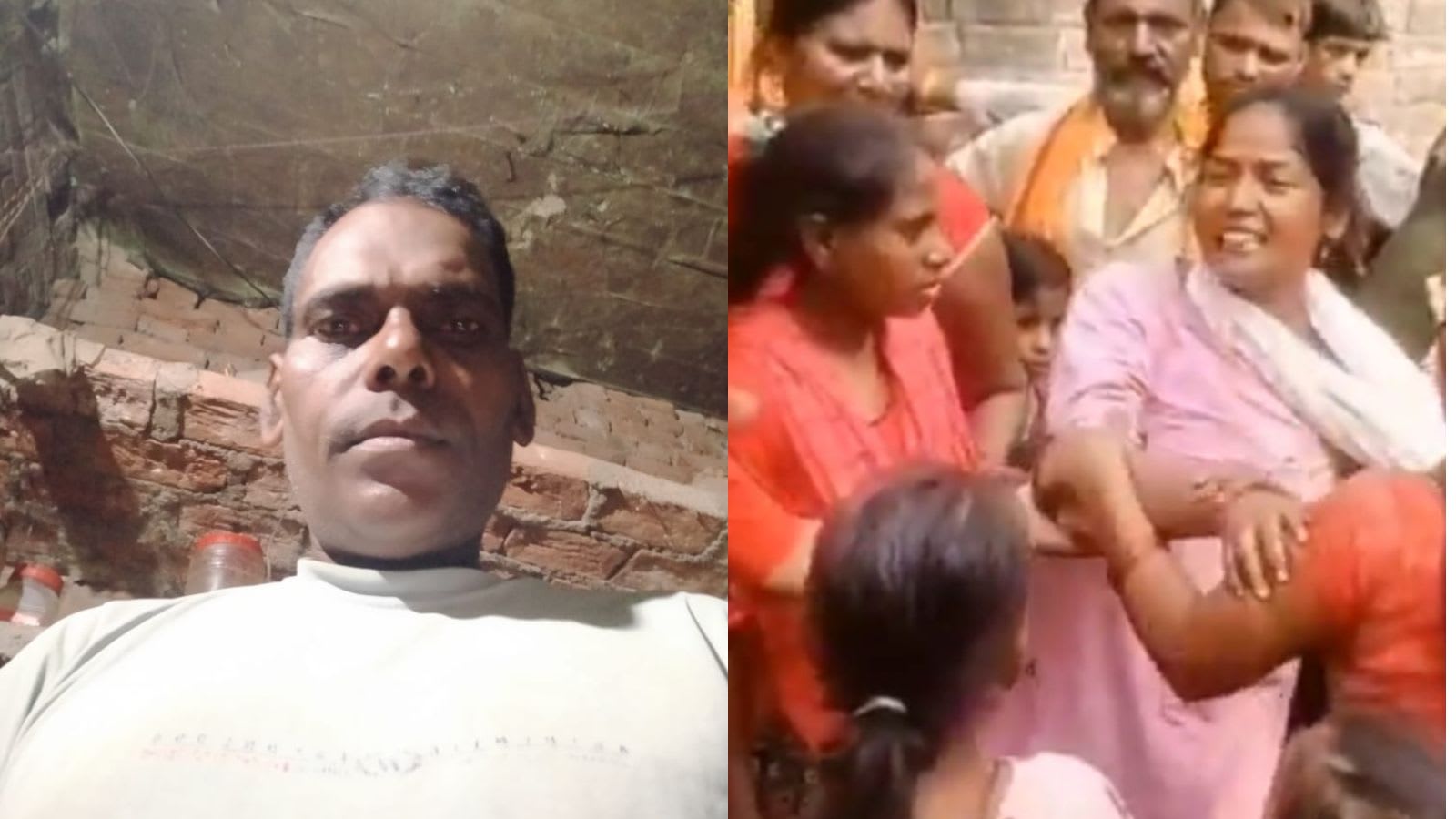
A 44-year-old Dalit labourer died after police in Uttar Pradesh’s Ballia allegedly picked him up to locate his son, with his family alleging he was harassed and assaulted. A murder case has now been r...
Custodial Death in Ballia: A Grave Breach of Human Rights
The reported death of a 44-year-old Dalit labourer in the custody of police in Ballia, Uttar Pradesh, marks a distressing instance of alleged state brutality. According to the reports, the individual was picked up by law enforcement officials under the guise of locating his son, only to succumb to injuries that his family attributes to harassment and physical assault. The subsequent registration of a murder case against two police officers indicates a legal acknowledgement of the severity of the incident, yet it highlights a persistent and systemic failure in the safeguarding of citizen rights during police interrogations.
The Mechanics of the Incident and Immediate Fallout
The core of this event lies in the disproportionate use of force. The victim, a member of the marginalized Dalit community, was not the primary target of the investigation—his son was. The act of detaining a parent to coerce information about a relative is a tactic often criticized by human rights advocates as 'pressure profiling.' The family's allegations of assault suggest that the 'questioning' transitioned into physical violence, leading to a fatal outcome. The transition from a missing person or location inquiry to a murder investigation against the state's own officers underscores the brutality of the encounter.
Historical Context of Caste and Police Brutality
To understand the gravity of this event, one must analyze the historical intersection of caste and law enforcement in Uttar Pradesh. The Dalit community has long faced systemic marginalization, often making them vulnerable to police apathy or active hostility. In many rural districts like Ballia, the power imbalance between the police—who represent state authority—and Dalit labourers is profound. This incident is not an isolated anomaly but fits into a broader pattern where marginalized individuals are frequently subjected to custodial torture, often with limited initial oversight or immediate legal recourse.
Legal Implications and the Burden of Proof
The registration of a murder case against the officers is a critical step toward accountability. Typically, custodial deaths are initially categorized as 'natural' or 'accidental' by internal police reports. The shift to a murder charge suggests that the evidence of assault was too overwhelming to ignore or that there was significant public and familial pressure. However, the path to conviction in custodial death cases is notoriously difficult in India, as the prosecution often relies on testimonies from other police officers or forensic evidence that can be compromised if the chain of custody is not strictly maintained.
Broader Societal Implications and Future Trends
This event reflects a continuing tension between the state's drive for 'efficient' law enforcement and the fundamental right to life and dignity. The use of custodial violence to extract information is a relic of colonial-era policing that contradicts modern democratic jurisprudence. Moving forward, this case is likely to trigger demands for increased surveillance in police stations, such as the mandatory installation of CCTV cameras as mandated by the Supreme Court of India in the Paramvir Singh Saini case. The trend suggests that as digital documentation and social awareness increase, the 'culture of impunity' within regional police forces will face greater challenges.
Summary of the Crisis
In conclusion, the death of the Dalit labourer in Ballia is a sobering reminder of the vulnerabilities faced by India's most marginalized citizens when interacting with the state's security apparatus. While the filing of a murder case against the two officers is a necessary legal response, true justice will require a transparent trial and a systemic overhaul of interrogation protocols. The event serves as a catalyst for ongoing discussions regarding police reform, the protection of Dalit rights, and the urgent need to end the practice of custodial torture in the pursuit of information.