Why this UP groom arrived on bulldozer for his baraat
Source Entity
The Indian Express
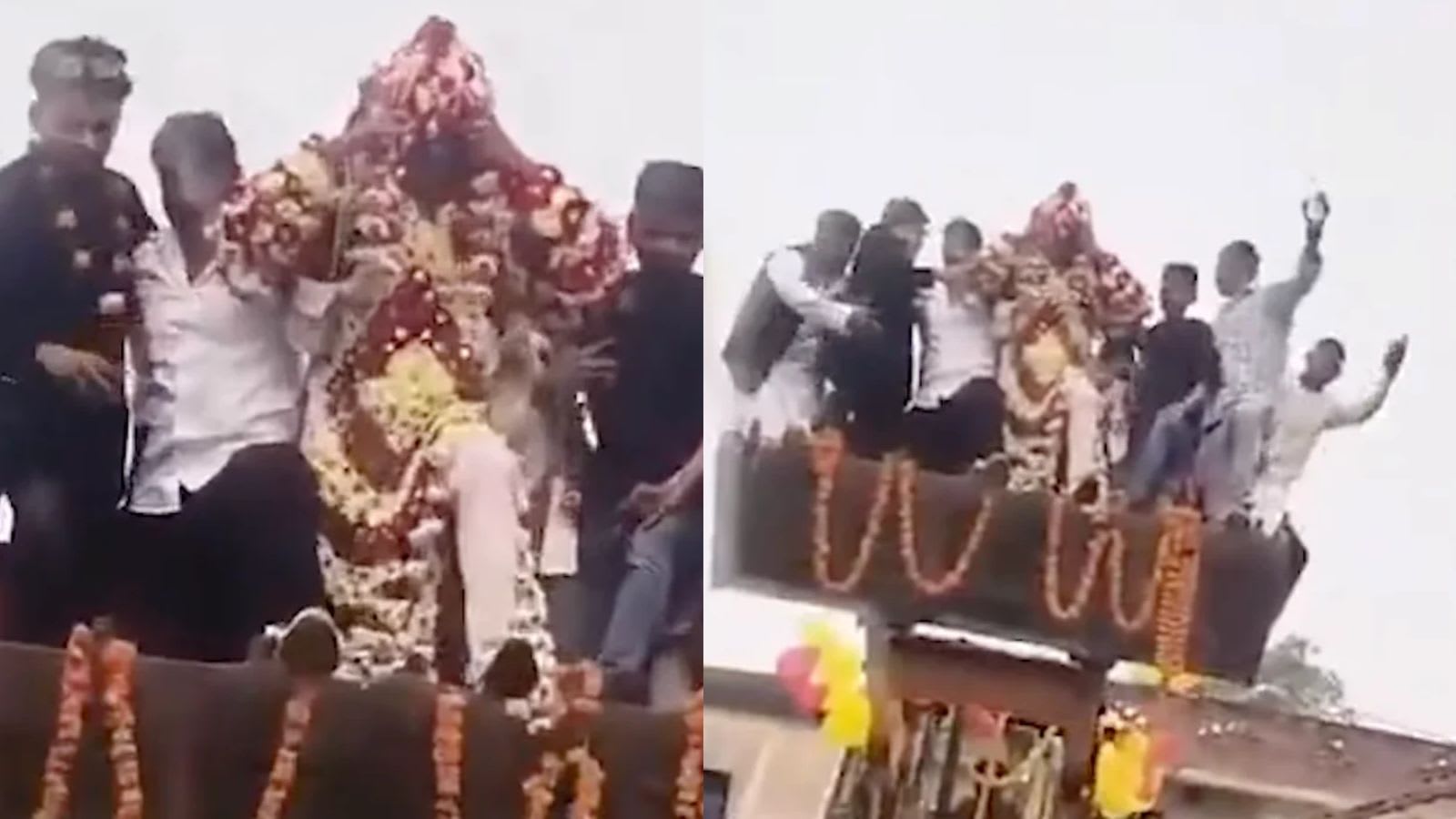
A groom in Uttar Pradesh recently went viral after choosing a construction bulldozer over traditional vehicles for his wedding procession. Despite public pressure to opt for a conventional arrival, he remained committed to his unique choice.
The Rise of Unconventional Wedding Grand Entrances
In a recent display of non-conformity, a groom named Kalam from Uttar Pradesh captured national attention by arriving at his own wedding procession, or baraat, atop a JCB bulldozer. While the tradition of the groom arriving in style—often on a decorated horse, a vintage car, or an elaborate chariot—is deeply rooted in Indian wedding culture to signify status and joy, this specific incident marks a shift toward disruptive, attention-grabbing displays. By eschewing luxury vehicles for heavy construction machinery, the groom effectively turned a private family milestone into a viral public spectacle.
The Symbolism of the JCB in Modern India
The choice of a bulldozer as a wedding vehicle is particularly poignant given the current cultural and political climate in Uttar Pradesh. In recent years, the bulldozer has evolved from a simple piece of construction equipment into a potent symbol of governance and authority within the region. By utilizing this specific machine for a joyous occasion, the groom navigated the intersection of local infrastructure utility and the modern semiotics of power, demonstrating how everyday objects in India are frequently repurposed to make bold, personal, and sometimes provocative statements during high-visibility social events.
Defying Social Pressure and Traditional Norms
According to reports, the decision was not made without opposition; the groom faced repeated attempts from family and onlookers to steer him toward more conventional transport. His insistence on completing the journey on the JCB highlights a growing trend of individualism within rural and semi-urban Indian weddings. In an era where social media validation often drives the desire for unique experiences, Kalam’s firm stance illustrates how modern grooms are increasingly prioritizing 'viral' moments over the pressure to conform to traditional expectations of decorum.
Logistics and Public Reaction
The sight of a bulldozer navigating village roads created a significant stir, drawing large crowds that gathered to witness the unusual procession. This logistical choice transformed the journey from the groom's home to the bride’s residence into a public event, effectively involving the entire community in the spectacle. The juxtaposition of the heavy, industrial machine against the backdrop of a celebratory wedding procession underscores a broader shift in how rural communities engage with public displays of wealth and personality.
Broader Implications and Future Trends
This event serves as a microcosm of the evolving nature of wedding festivities in India, where the 'wow factor' is becoming as essential as the rituals themselves. As social media continues to influence personal life milestones, we can expect to see an increase in creative, albeit unconventional, arrival methods. The story of Kalam and his bulldozer is not merely a local curiosity; it is a reflection of a generation that seeks to challenge conventions and leave a lasting, if unconventional, mark on their community's collective memory.