‘Very positive step’: PhonePe, Mobiwik co-founders welcome MDR charge on UPI payments
Source Entity
Latest News: Todays Latest News Headlines from India & World | Hindustan Times | Hindustan Times
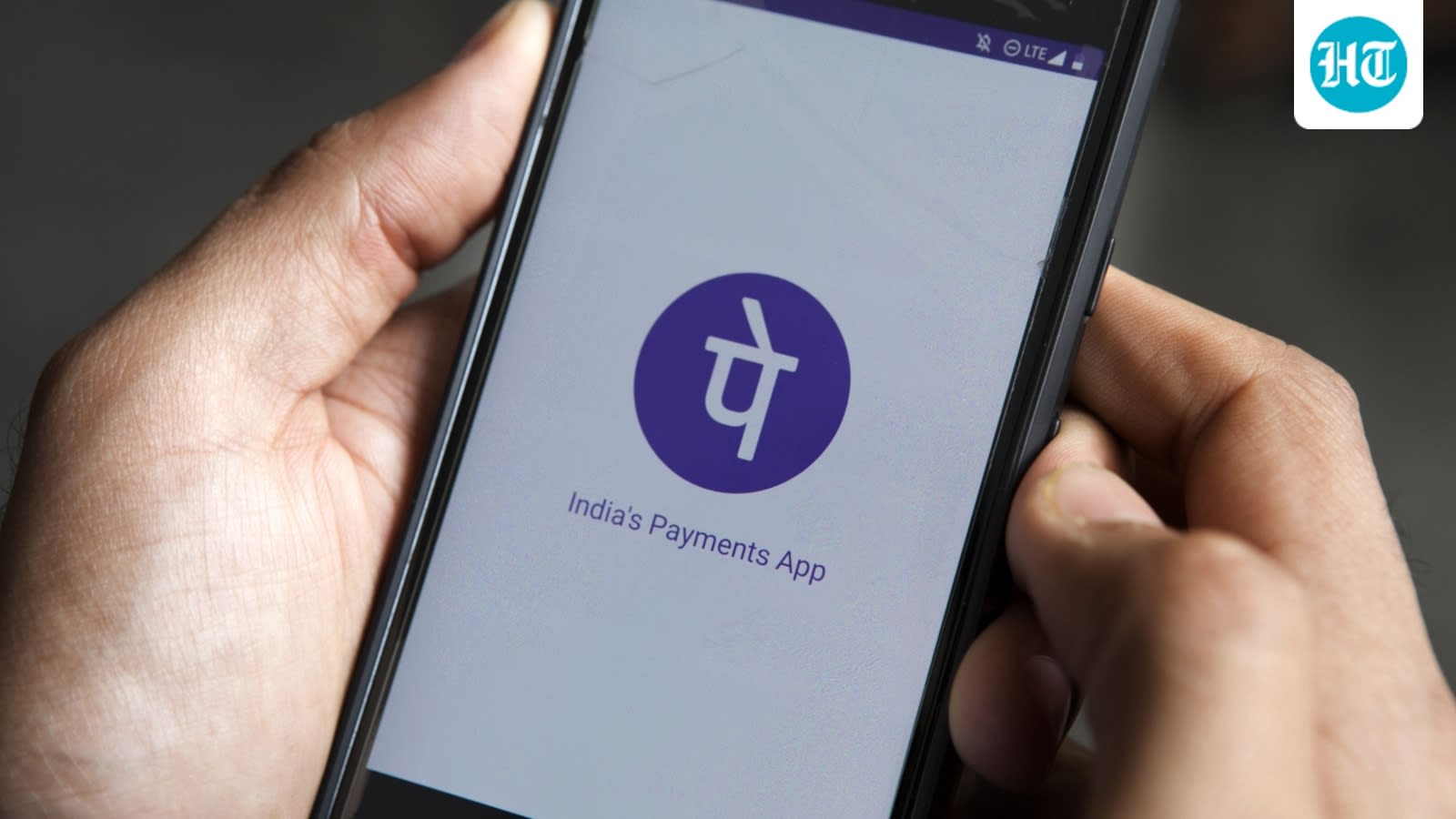
The introduction of Merchant Discount Rate (MDR) charges on UPI transactions above ₹2,000 has sparked a polarized debate among industry leaders and politicians. While fintech founders view it as a necessary step for infrastructure sustainability, critics argue it acts as a tax that will ultimately burden the consumer and benefit foreign card companies.
The Evolving Landscape of UPI: Sustainability vs. Consumer Cost
The Indian digital payments landscape is currently undergoing a significant transition as the government introduces Merchant Discount Rate (MDR) charges on Unified Payments Interface (UPI) transactions exceeding ₹2,000. This policy shift has ignited a firestorm of debate, pitting industry proponents of infrastructure sustainability against political critics and industry observers who fear the long-term impact on the end consumer.
The Industry Perspective: Infrastructure and Sustainability
For payment companies and banks, the rise of UPI has necessitated massive investments in digital infrastructure. MobiKwik co-founder Upasana Taku has emerged as a vocal supporter of the move, labeling it a “very positive step.” The core argument from this camp is that the current zero-MDR model places an unsustainable financial burden on the institutions facilitating these transactions. By introducing a fee structure, these companies argue that the ecosystem can better support the maintenance and scaling of digital payment networks, ensuring long-term operational health.
The Political Dimension: Geopolitics and Policy
The move has also become a flashpoint for political discourse. Congress leader Jairam Ramesh has publicly criticized the government, characterizing the policy as a concession to U.S. interests. Ramesh has explicitly questioned whether the implementation of MDR is a strategic maneuver designed to help U.S.-based card companies compete more effectively against the indigenous UPI platform. This critique draws a direct line between domestic financial policy and broader geopolitical tensions, specifically linking the decision to ongoing diplomatic friction regarding trade tariffs and immigration policies like H-1B visa costs.
Consumer Impact: A Hidden Tax?
While the government maintains that the new fee structure will not impact direct peer-to-peer UPI transactions, industry figures like former BharatPe co-founder Ashneer Grover have challenged the narrative. Grover argues that any levy imposed on merchants will inevitably be passed down to the end consumer, suggesting that the fee should be transparently categorized as a “tax.” This highlights the tension between the theoretical exclusion of the average user from these costs and the practical reality of retail economics, where merchant overheads are often reflected in product pricing.
Broader Implications and Future Trends
This shift marks a pivotal moment for UPI, which has thrived on its zero-cost model to achieve widespread adoption. The introduction of fees for larger transactions signals a move toward a more 'mature' market model. However, the path forward remains complex. Future trends will likely depend on how merchants respond to these costs and whether the government can balance the needs of financial institutions with the goal of maintaining digital financial inclusion for the masses.
Conclusion
In summary, the debate over UPI’s MDR charges is not merely a technical adjustment; it is a multifaceted issue touching upon business viability, national economic strategy, and the cost of living. As the policy takes effect, the industry must navigate the delicate balance between ensuring the sustainability of payment infrastructure and maintaining the affordability that made UPI a revolutionary force in the Indian economy.
Verification Required?