From the Urdu Press: ‘Nitish, Naidu face UCC test over secularism, minority rights’
Source Entity
Shahid Pervez
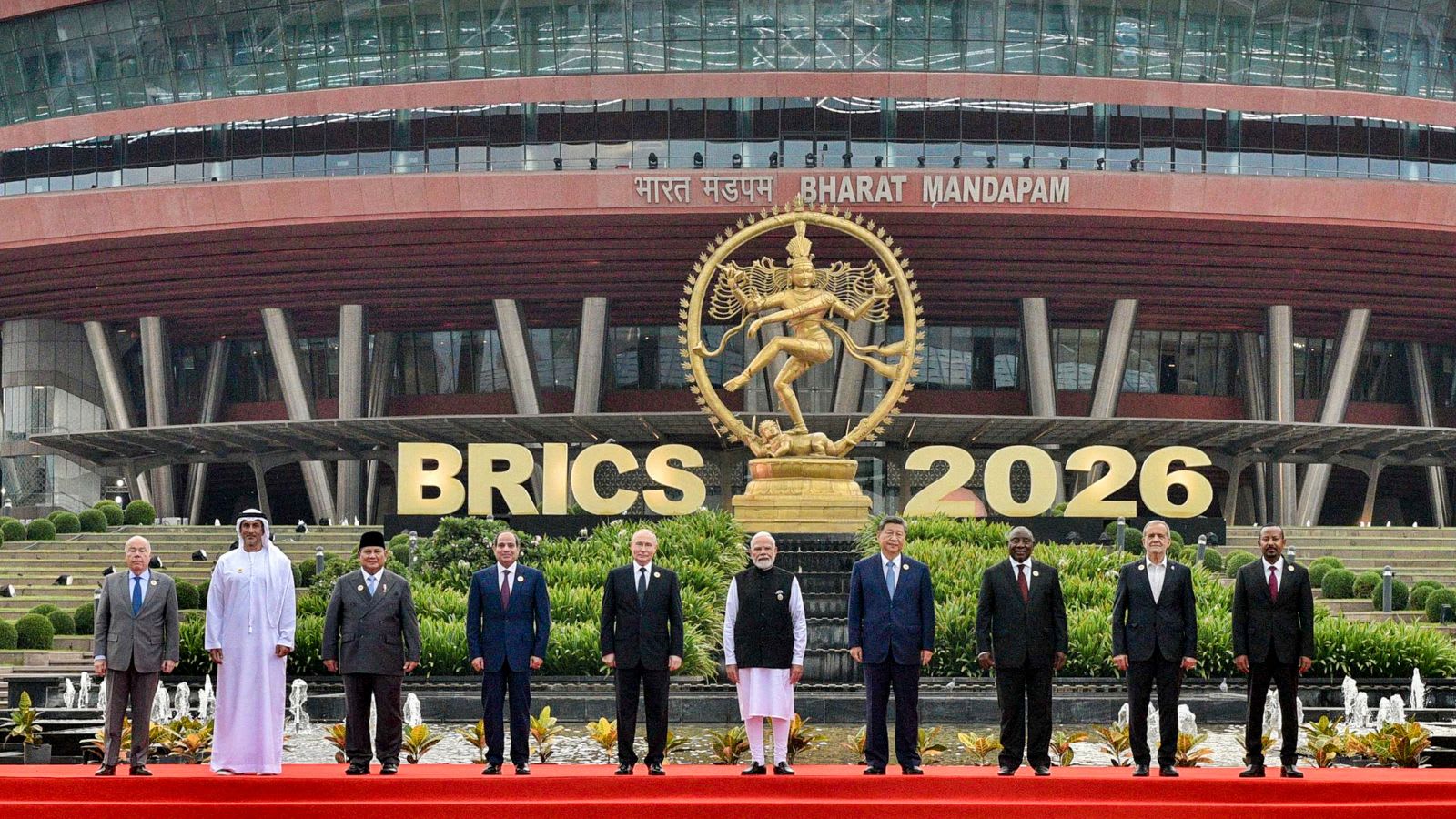
Urdu dailies have highlighted the implementation of the Uniform Civil Code (UCC) in BJP-led states and India's successful diplomatic role in the BRICS summit. The analysis focuses on the political implications for key allies and the government's foreign policy achievements.
The Dual Narrative: UCC Implementation and Global Diplomacy
Recent coverage in the Urdu press has captured a pivotal moment in Indian governance, balancing the complexities of domestic social policy with the achievements of an assertive foreign policy. The simultaneous focus on the implementation of the Uniform Civil Code (UCC) and the success of the BRICS summit reflects a broader trend of the current administration’s efforts to solidify its ideological agenda while expanding its geopolitical footprint.
The Geopolitical Triumph at BRICS
The Urdu dailies have lauded the New Delhi declaration adopted by the BRICS members, highlighting the inclusion of nations like Iran and the UAE. This consensus is being framed as a testament to India's independent and consistent foreign policy. By facilitating a unified stance among such diverse geopolitical actors, India has underscored its growing influence as a bridge-builder in the Global South, moving away from traditional bloc politics toward a more pragmatic, interest-based international engagement.
The UCC: A Domestic Policy Milestone
On the domestic front, Union Home Minister Amit Shah’s announcement regarding the implementation of the UCC across all 21 BJP-led NDA states before the 2029 Lok Sabha elections has sparked intense discourse. The Urdu press, particularly the Inquilab editorial, notes that while this is a long-standing ideological goal for the BJP, its accelerated timeline carries significant political weight. The strategy appears aimed at fulfilling core promises to the party's base while testing the legislative cohesion of the broader NDA coalition.
Navigating Secularism and Minority Rights
The central tension identified by the press involves the political balancing act required by key NDA allies, such as Nitish Kumar’s JDU and Chandrababu Naidu’s TDP. The implementation of the UCC is being analyzed through the lens of secularism and minority rights, raising questions about how regional partners—who rely on diverse voter bases—will reconcile their positions with the BJP's unified code. The ability of the NDA to navigate these differences will be critical to the stability of the coalition leading up to 2029.
Future Trends and Political Implications
As the government pushes forward, the implementation of the UCC will likely serve as a litmus test for the endurance of the NDA. If the BJP successfully navigates the sensitivities surrounding minority rights and constitutional secularism, it could consolidate its ideological legacy. Conversely, any friction between coalition partners could embolden opposition narratives. The coming years will be defined by how the administration balances these contentious social reforms with the necessity of maintaining a stable, unified governance structure.