US launches fresh strikes on Iran, targets missile launch site on Qeshm Island
Source Entity
KARAN MANRAL
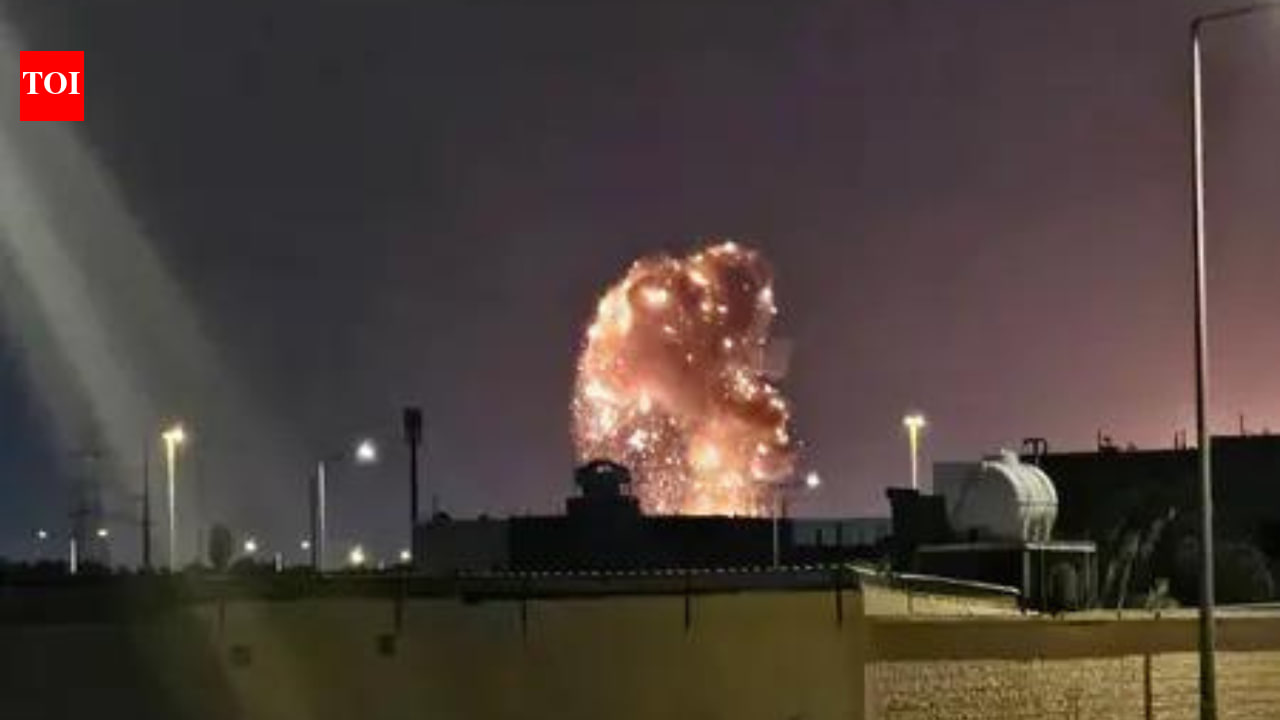
The US conducted precision airstrikes against an IRGC missile launch site on Iran's Qeshm Island in retaliation for attacks on American personnel. While the US maintains the strike was a self-defense measure, Iranian officials reported no damage from the incident.
Escalation in the Strait of Hormuz: US Airstrikes on Qeshm Island
The Strategic Context of the Recent Strikes
On Tuesday, tensions in the Middle East reached a new peak as United States fighter jets conducted targeted airstrikes against an Islamic Revolutionary Guard Corps (IRGC) missile launch site located on Qeshm Island. This tactical maneuver occurred within the critical Strait of Hormuz, one of the world's most vital maritime chokepoints. The strike was described by US officials as a precise, self-defense operation utilizing precision-guided munitions, intended to neutralize a direct threat to American military infrastructure.
Retaliatory Dynamics and Military Rationale
According to US military sources, this action was a direct response to a series of provocations directed at American personnel and assets. The escalation followed claims from Iran’s Revolutionary Guards that they had targeted a US-used base in Bahrain, signaling a tit-for-tat cycle of hostilities. By targeting the Qeshm Island facility, the US demonstrated a policy of deterrence, aiming to degrade Iran's capability to launch further offensive operations against regional interests.
Divergent Reports on Damage and Impact
The aftermath of the strike has been characterized by conflicting narratives. While American officials confirmed the successful engagement of the missile site, Iranian semi-official news agencies, including Fars and Mehr, reported that while an explosion was heard, there was no reported damage to residential areas or critical infrastructure. This discrepancy is common in high-stakes geopolitical confrontations, where both sides utilize information warfare to manage domestic perception and international diplomatic pressure.
The Geopolitical Significance of the Strait of Hormuz
Qeshm Island’s location in the Strait of Hormuz underscores the gravity of this confrontation. As the primary conduit for a significant percentage of global oil exports, any military activity in this region creates immediate volatility in energy markets and threatens international maritime security. The presence of IRGC missile infrastructure in this area remains a primary concern for the US and its regional allies, who view the site as a strategic instrument for Iran's power projection.
Future Trends and Regional Stability
Looking forward, the incident highlights the precarious state of US-Iran relations. The use of precision munitions suggests a desire by the US to limit the scope of the conflict while maintaining a credible threat of force. However, the cycle of retaliation—from the strike on the Bahrain base to the subsequent counter-strike on Qeshm—indicates an ongoing risk of miscalculation. Analysts expect continued surveillance of these sites as both nations weigh the costs of further escalation against the necessity of maintaining their regional strategic posture.