US army secretary resigns after months of tension
Source Entity
BBC News
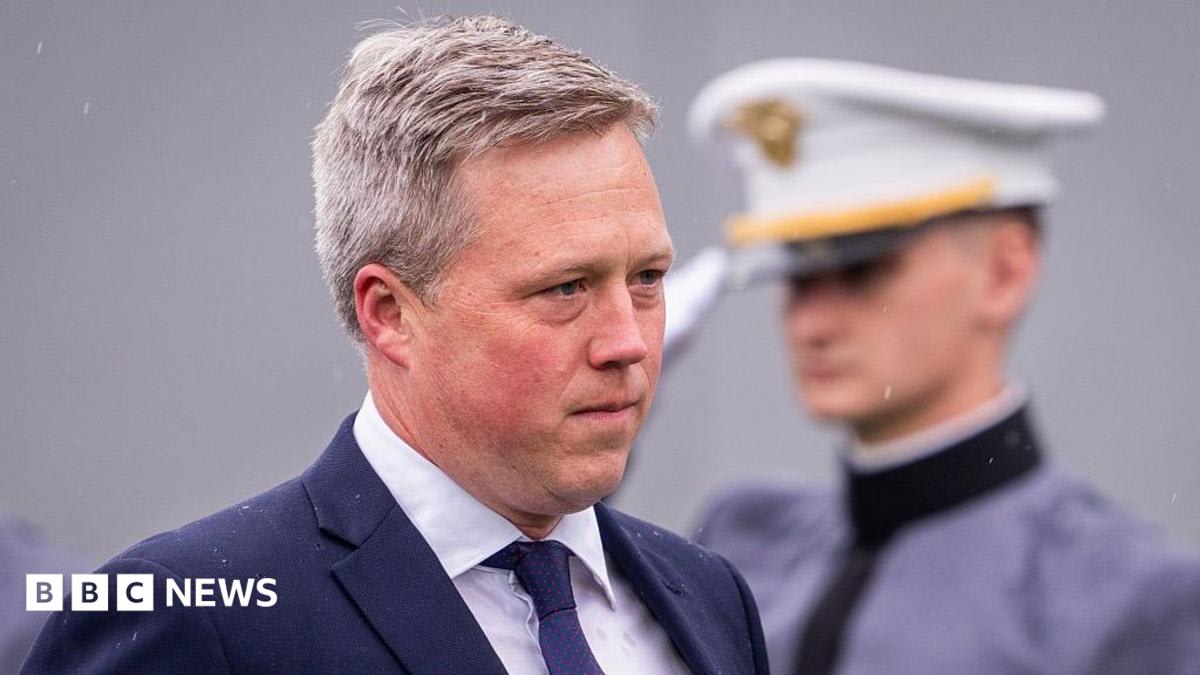
US Army Secretary Dan Driscoll has resigned following months of internal friction with Defense Secretary Pete Hegseth. The departure of the administration's youngest-ever army secretary marks another high-profile exit within the defense leadership hierarchy.
The Resignation of Dan Driscoll: A Shift in Pentagon Leadership
The resignation of US Army Secretary Dan Driscoll, confirmed by the White House on Monday, marks a significant turning point in the current administration’s defense hierarchy. Having served for approximately 18 months in the role, Driscoll—noted as the youngest-ever individual to hold the position—has officially stepped down. His departure comes amidst widely reported friction and months of sustained conflict with Defense Secretary Pete Hegseth, highlighting a clear rift within the upper echelons of the Department of Defense.
Contextualizing the Conflict
While the White House has officially praised Driscoll for his "outstanding leadership" and his effectiveness in advancing President Trump’s "Make America Strong Again" agenda, the underlying reality appears far more complex. Reports indicate that the professional relationship between Driscoll and Hegseth had become untenable. This breakdown in communication and policy alignment serves as a critical case study in how personal and strategic disagreements can influence the stability of national security institutions.
The 'Drone Guy' and Strategic Shifts
Known colloquially as President Trump's "drone guy," Driscoll’s tenure was characterized by a specific focus on modernizing military operations. His expertise and approach to these technologies were central to his mandate. However, the internal tension with Secretary Hegseth suggests that despite shared overarching political goals, the operational methodology favored by Driscoll may have clashed with the broader strategic vision held by the Defense Secretary.
A Pattern of High-Profile Departures
Driscoll’s exit does not occur in a vacuum; it is part of a broader trend of instability within the defense leadership. His departure follows the abrupt resignation of Navy Secretary John Phelan in April, signaling a period of significant churn among top-tier military officials. This pattern of turnover raises questions regarding the long-term continuity of defense policies and the administration's ability to maintain a cohesive command structure during a critical period of global geopolitical complexity.
Future Implications for the Army
The vacancy created by the resignation of the 41-year-old secretary leaves the Army in a state of transition. As the administration looks to replace a leader who was deeply integrated into the "Make America Strong Again" policy framework, the selection of his successor will be scrutinized for signals regarding the future direction of Army modernization and the potential for a thaw in the ongoing institutional tensions within the Pentagon. The coming weeks will likely reveal whether this change will lead to a realignment with Hegseth’s vision or if the friction was symptomatic of deeper ideological divides within the cabinet.
Multiple Citing Sources