US plans to bar its citizens in Congo from flying home directly amid Ebola outbreak
Source Entity
TOI WORLD DESK
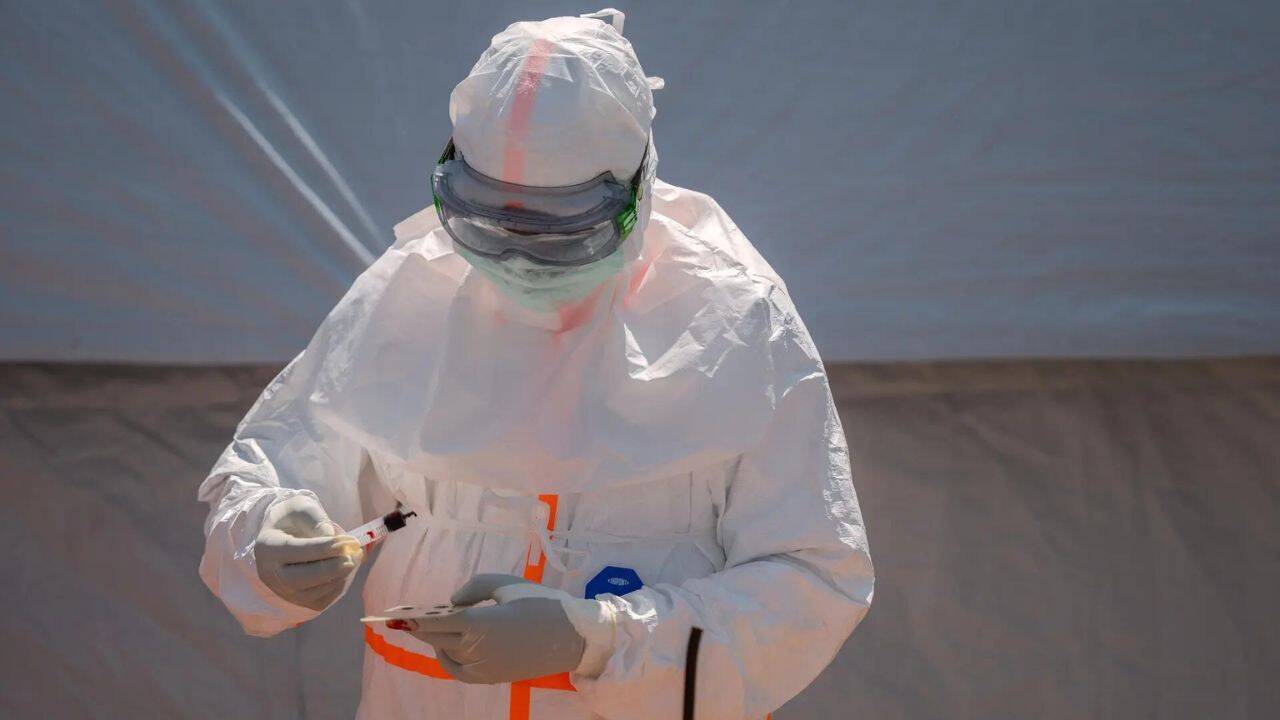
US plans to bar its citizens in Congo from flying home directly amid Ebola outbreak...
US Implements Travel Restrictions Amid Congo Ebola Crisis
In a decisive move to safeguard public health, the United States government has announced plans to bar its citizens currently residing in the Democratic Republic of the Congo (DRC) from flying directly back to US soil. This measure comes as a direct response to a burgeoning Ebola outbreak within the region, reflecting a high-alert posture by US health authorities to prevent the introduction of the highly contagious and deadly virus into the domestic population.
The Public Health Rationale
The decision to prohibit direct flights is rooted in the necessity of rigorous screening and monitoring. Ebola virus disease (EVD) is characterized by a high fatality rate and is transmitted through direct contact with infected bodily fluids. By eliminating direct travel paths, the US government can ensure that returning citizens pass through designated transit hubs where health screenings—including temperature checks and health questionnaires—can be more effectively administered. This "buffer zone" strategy is designed to identify symptomatic individuals before they enter the US aviation system, where a single undetected case could lead to a wider public health emergency.
Historical Context of Ebola Outbreaks
To understand the gravity of this decision, one must look at the historical impact of Ebola in Central Africa. The DRC has faced multiple outbreaks over the last decade, often complicated by political instability and difficult terrain, which hinder the delivery of medical aid and the implementation of contact tracing. The memory of the 2014-2016 West African epidemic, which saw thousands of deaths and sparked global panic, continues to influence current protocols. The US government's current approach is a manifestation of the 'precautionary principle,' prioritizing absolute containment over the convenience of international travel.
Logistical and Humanitarian Implications
This restriction creates significant logistical hurdles for US citizens in the DRC, including diplomats, NGO workers, and private contractors. Forced indirect routing not only increases travel time but also complicates the evacuation of non-essential personnel. Moreover, such measures can inadvertently create a stigma around the affected region, potentially discouraging international aid organizations from deploying the very experts needed to combat the outbreak on the ground. The tension between national security (in the form of health security) and the operational needs of humanitarian missions remains a critical point of contention.
Broader Implications for Global Health Security
This event highlights the fragile nature of global health security and the reliance on border controls as a primary line of defense. While travel restrictions are effective in the short term, they underscore a systemic failure to contain outbreaks at the source. The US strategy reflects a broader trend in global health where developed nations implement 'fortress' policies to protect their populations, while the burden of disease management remains heavily skewed toward the affected developing nations. This dynamic emphasizes the urgent need for increased investment in the DRC's local healthcare infrastructure to ensure that future outbreaks are quelled before they trigger international travel bans.
Future Trends in Pandemic Response
Looking forward, this incident serves as a blueprint for how the US may handle future zoonotic spillovers or pandemic threats. We are likely to see a shift toward more digitized health passports and real-time biometric screening at international borders. The integration of AI-driven surveillance to track potential clusters of infection in high-risk zones will likely become standard practice. As global connectivity increases, the ability to selectively restrict travel without completely severing diplomatic or economic ties will be a key challenge for the CDC and the State Department.
Summary
The US plan to bar direct flights from the Congo is a high-stakes risk management strategy aimed at preventing an Ebola catastrophe on American soil. While the move is scientifically justified by the need for stringent screening, it reveals the ongoing struggle to balance individual mobility with collective biosecurity. The long-term solution lies not in border closures, but in the global strengthening of health systems in outbreak-prone regions.