U.S. urges Europe to ‘immediately’ release diesel reserves as Iran war fuels record prices
Source Entity
US Top News and Analysis
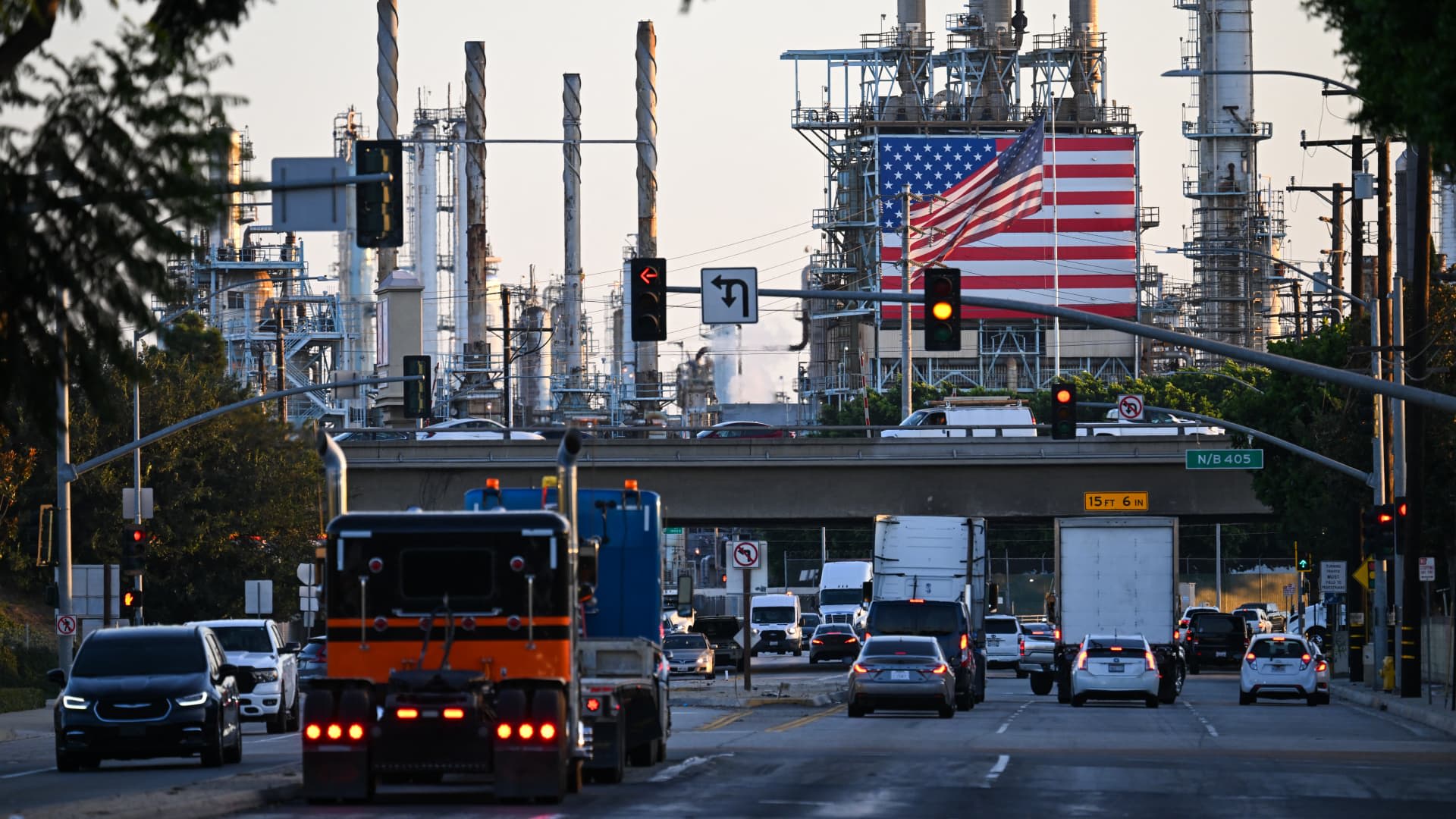
The U.S. is pressuring European nations to release diesel reserves to combat record-high domestic fuel prices. This move follows supply disruptions linked to ongoing conflicts in Iran and Ukraine, raising concerns over potential U.S. export bans.
The Global Diesel Crisis: U.S.-EU Tensions Rise
The global energy landscape is currently facing a precarious inflection point as diesel prices reach unprecedented levels, hitting a record $6.50 per gallon in the United States. This surge, exacerbated by the compounding effects of the ongoing war in Iran and the sustained conflict resulting from Russia's full-scale invasion of Ukraine, has forced the Trump administration to take aggressive measures to stabilize domestic costs. By urging European nations to immediately tap into their strategic diesel reserves, Washington is signaling that the burden of global supply chain instability must be shared more equitably.
The Economic Pressure on Domestic Infrastructure
The urgency behind the U.S. request stems from the critical role diesel plays in the domestic economy, particularly within the logistics and agricultural sectors. As evidenced by freight operations at hubs like the BNSF intermodal in Cicero, Illinois, the American supply chain is heavily dependent on the efficient movement of goods via rail and truck. When fuel prices spike, the inflationary pressure on essential goods becomes unavoidable, prompting the administration to prioritize the needs of U.S. farmers, truckers, and businesses over international export commitments.
The Threat of an Export Ban
Central to this diplomatic friction is the prospect of a U.S. diesel export ban, a policy tool currently under consideration by President Donald Trump. Such a move would aim to sequester domestic supply to lower prices at home, but it carries significant geopolitical risks. European officials have expressed deep concern, noting that a U.S. export ban could severely impair Europe’s economic outlook. The prospect of a supply cutoff has prompted EU member states to schedule crisis talks to address the potential for a catastrophic fuel shortage.
Geopolitical Drivers of Instability
The current energy volatility is not an isolated event but a direct consequence of sustained global conflicts. The intersection of the war in Iran and the invasion of Ukraine has disrupted traditional energy trade routes and refinery outputs, creating a systemic shock that market mechanisms have struggled to absorb. As energy security becomes synonymous with national security, the U.S. Treasury and other administrative bodies are increasingly utilizing economic leverage to secure domestic stability at the expense of traditional transatlantic energy cooperation.
Future Implications and Outlook
As the administration continues to mull over export restrictions, the rift between the U.S. and its European allies may widen. If European countries fail to release reserves, the likelihood of a formal U.S. export ban increases, potentially leading to a fragmented global energy market. Looking forward, the reliance on strategic reserves will likely become a recurring theme in international relations, as nations grapple with the reality that fuel accessibility is now a primary front in modern geopolitical maneuvering. The outcome of the upcoming EU crisis talks will be a critical indicator of whether a collaborative solution is possible or if a period of protectionist energy policy is imminent.