US Forces Exit Iraq Amid Rising Fears Of ISIS Resurgence
Source Entity
NDTV News Search Records Found 1000
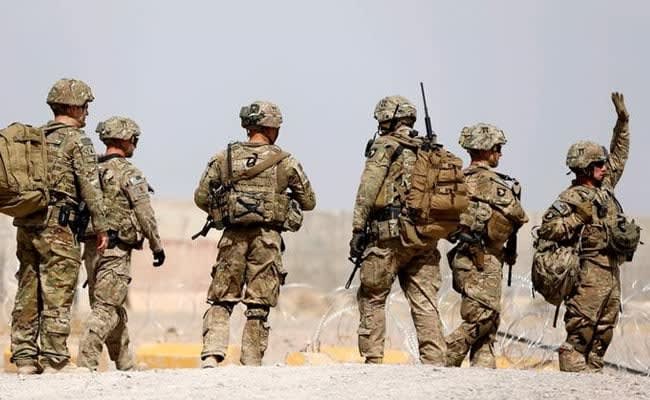
The United States is currently withdrawing its military forces from Iraq, marking a significant shift in the region's geopolitical landscape. This departure has ignited widespread international concern regarding the potential for an ISIS resurgence in the power vacuum left behind.
The Strategic Withdrawal: A New Chapter in Iraq
The decision regarding the exit of United States forces from Iraq represents a pivotal moment in contemporary international relations, effectively concluding a military engagement that began with the 2003 invasion. Following the initial occupation and the subsequent decades of nation-building, counter-insurgency operations, and security partnerships, the transition toward a full withdrawal marks the end of a long-standing American military footprint in the heart of the Middle East.
Historical Context of the 2003 Intervention
To understand the gravity of this exit, one must look back at the 2003 invasion, which fundamentally altered the political architecture of Iraq. The occupation that followed aimed to dismantle the existing regime and reconstruct a stable, democratic state. However, the subsequent years were defined by complex sectarian tensions and the rise of various extremist factions, creating a volatile environment that necessitated a prolonged international military presence to maintain domestic security.
The Security Vacuum and ISIS
Central to the current discourse is the recurring fear of an ISIS resurgence. The vacuum created by the departure of coalition forces is viewed by many security analysts as a potential opening for insurgent groups to reorganize and reclaim territory. Historically, ISIS capitalized on instability and weakened governance to expand its influence across Iraq and Syria, making the current transition a high-stakes security challenge for the Iraqi government.
Geopolitical Implications
Beyond the immediate security concerns, this withdrawal signals a broader shift in U.S. foreign policy toward the Middle East. By reducing its direct military involvement, the United States is signaling a pivot toward regional reliance, where local security forces are expected to assume full responsibility for national defense. This shift places significant pressure on Iraqi institutions to maintain internal cohesion without the direct support of foreign combat troops.
Future Trends and Regional Stability
Looking ahead, the stability of Iraq will depend largely on the ability of local military and political entities to prevent the radicalization and mobilization of extremist elements. The international community remains watchful, as the success or failure of this transition will likely influence future military doctrines and the global approach to counter-terrorism. The coming months will be a definitive test of Iraq's sovereignty and its capacity to withstand renewed threats from non-state actors.
Verification Required?