US To Vote On Russia Sanctions Bill Next Week, Giving Trump More Tariff Power
Source Entity
NDTV News Search Records Found 1000
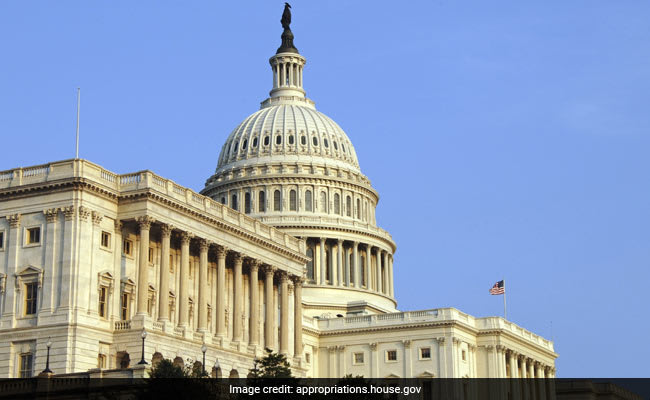
The US House of Representatives is scheduled to vote on a new Russia sanctions bill next week. This legislation is expected to grant President-elect Donald Trump expanded authority to impose tariffs.
Legislative Action on Russia Sanctions
The United States House of Representatives has officially scheduled a floor vote for next week regarding a new package of sanctions aimed at Russia. This legislative move represents a critical juncture in U.S. foreign policy, as it seeks to codify and expand the economic pressures placed upon the Russian Federation amidst ongoing geopolitical tensions.
Expanding Executive Authority
A pivotal component of this upcoming bill is the provision that grants the incoming administration, specifically President-elect Donald Trump, broader discretionary power regarding the application of tariffs. By formalizing this authority, Congress is creating a mechanism that allows the executive branch to respond more dynamically to international developments, potentially using trade barriers as a primary tool for geopolitical leverage rather than relying solely on traditional diplomatic or military channels.
Geopolitical Implications
The timing of this vote suggests a bipartisan urgency to establish a robust framework for dealing with Russian activities before the next administration takes full office. By intertwining sanctions with tariff authority, the House is attempting to create a comprehensive economic strategy that pressures Moscow while simultaneously granting the White House significant tools to shape trade policy in alignment with national security interests.
Historical Context of Trade and Sanctions
Historically, the use of tariffs as a punitive measure in the context of foreign policy has been a subject of intense debate within U.S. legislative circles. While sanctions are typically targeted at specific entities, individuals, or sectors, the integration of tariff-setting powers into this bill signifies a shift toward a more aggressive, protectionist approach to global statecraft, prioritizing economic statecraft as a cornerstone of national defense.
Future Trends in U.S.-Russia Relations
Looking ahead, this legislation will likely dictate the tenor of U.S.-Russia relations for the foreseeable future. By providing the incoming administration with enhanced tariff powers, the House is effectively setting the stage for a period where economic policy will be inseparable from foreign policy. Observers expect that the exercise of these new powers will be closely monitored by global markets, as any shift in tariff policy could have cascading effects on international trade stability and inflationary pressures.
Conclusion
In conclusion, the House vote next week is not merely a procedural step in passing a sanctions bill, but a strategic delegation of power that will fundamentally alter how the United States engages with Russia. As the legislative process moves forward, the focus will remain on how these new tools of economic pressure are utilized to influence the behavior of the Russian state and protect U.S. national interests in an increasingly complex global landscape.
Verification Required?