The 30-year mortgage rate just crossed 7% for the first time in over a year
Source Entity
Aarthi Swaminathan
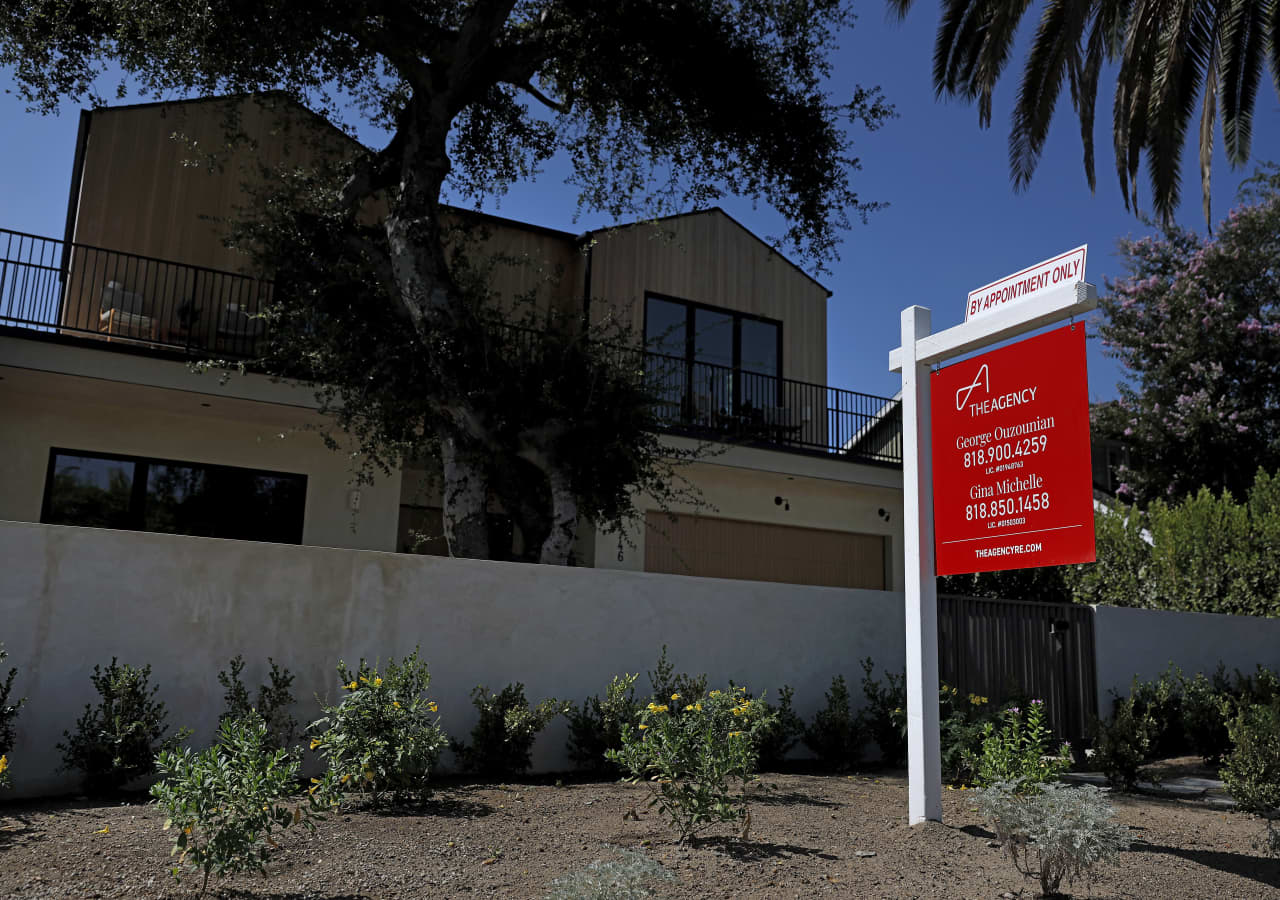
US home sales hit a 14-month low in August 2026 as mortgage rates exceeded 7%. Despite inventory levels reaching a decade high, elevated borrowing costs continue to suppress buyer demand and drive up prices.
The Housing Market Paradox: Inventory Growth Amidst Stagnant Sales
The United States housing market is currently navigating a complex period of stagnation, characterized by a stark divergence between supply levels and consumer demand. Recent data from the National Association of Realtors reveals that sales of previously owned homes fell by 2% in August 2026 to a seasonally adjusted, annualized rate of 3.98 million units. This marks the slowest pace of activity since June 2025, highlighting a cooling trend that is particularly pronounced in the Northeast and Midwest regions of the country.
The Impact of Elevated Mortgage Rates
At the heart of this slowdown is the resurgence of mortgage rates, which recently crossed the 7% threshold for the first time in over a year. Because home sales data is based on closed transactions, the August figures largely reflect contracts signed during June and July. This period saw a sharp upward movement in interest rates, which directly discouraged prospective buyers. As mortgage rates and home sales historically move in opposite directions, the current environment has created a significant barrier to entry for many Americans.
Inventory Reaches a Decade High
Counterintuitively, the market is currently witnessing the highest supply of homes for sale in over a decade. This seven-year high in inventory is not necessarily a reflection of a building boom, but rather a byproduct of the lack of buyer demand. When homes linger on the market due to affordability constraints, the total count of active listings naturally swells, creating the illusion of a well-supplied market despite the absence of transaction volume.
Persistent Price Pressures
Despite the decline in sales and the accumulation of inventory, home prices have continued to rise. This phenomenon suggests that the housing market remains supply-constrained in terms of affordability, even if the number of physical units available is high. Sellers, often locked into lower interest rates from previous years, may be reluctant to lower prices despite the softening demand, leading to a stalemate that leaves many homebuyers on the sidelines.
Future Trends and Economic Implications
Looking ahead, the housing sector faces a challenging trajectory. If mortgage rates remain at these elevated levels, it is likely that sales volume will continue to face downward pressure. The combination of high borrowing costs and stagnant prices suggests a period of prolonged adjustment for both buyers and sellers. Policymakers and market analysts will be closely monitoring how these supply-demand dynamics influence broader economic stability, as housing remains a critical pillar of the American consumer economy.
Multiple Citing Sources
Verification Required?