Consumers hit by one-two punch of oil and rates from Iran war. The estimated bill is $1,700 per household
Source Entity
US Top News and Analysis
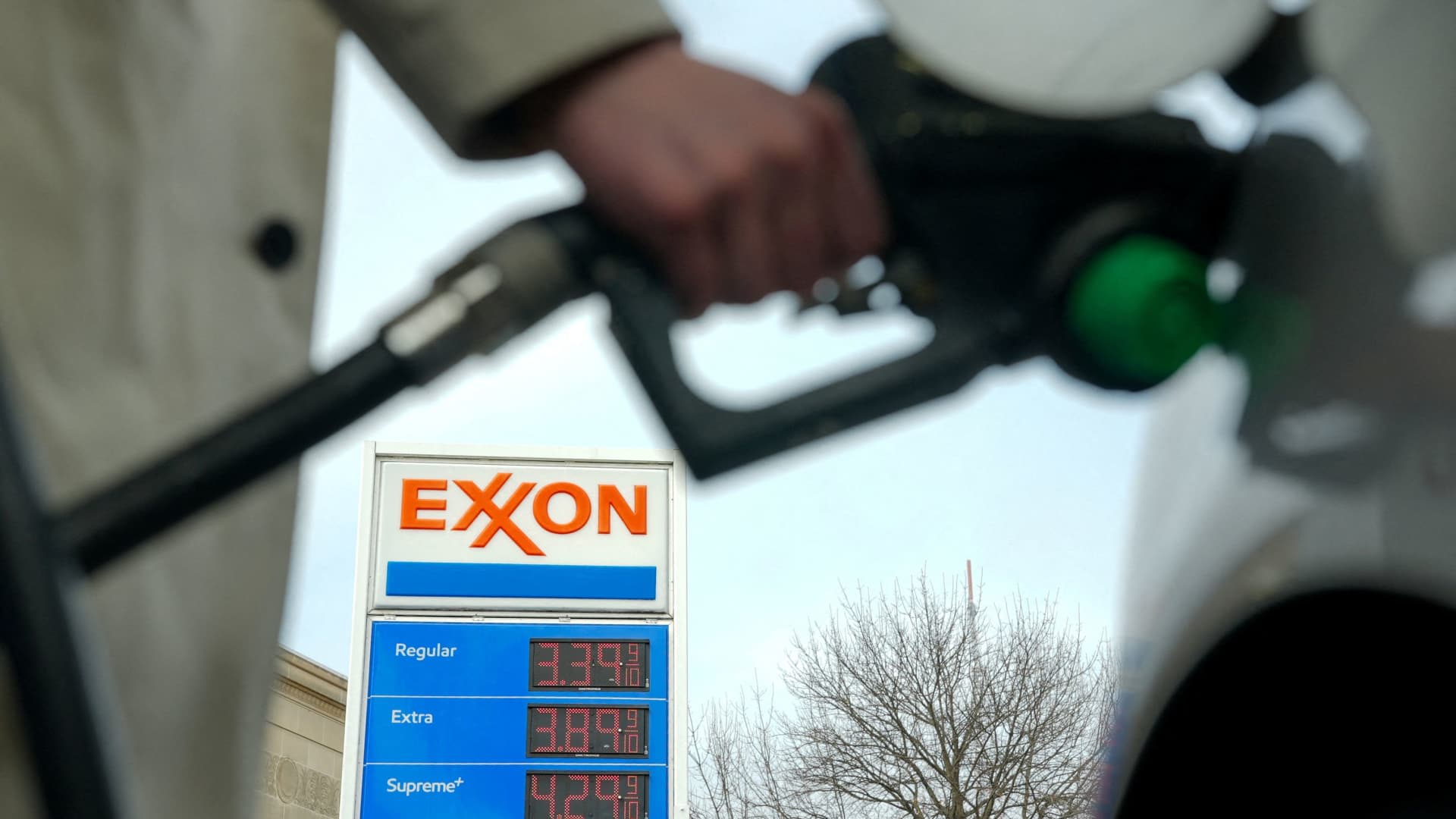
The U.S.-Iran conflict is driving a dual crisis of surging oil prices and record-high Treasury yields. This combination is imposing a $1,700 annual cost increase per household, forcing Americans to deplete savings to cover basic needs.
The Economic Ripple Effects of the U.S.-Iran Conflict
The current escalation in the U.S.-Iran conflict has catalyzed a significant economic shock, manifesting as a dual-threat environment for American households. As of March 2026, the intersection of rising crude oil prices and spiking 10-year Treasury yields has created a volatile financial landscape. This 'one-two punch' is not merely a macroeconomic statistic but a tangible burden, with estimates suggesting an average additional cost of $1,700 per household annually, forcing many to dip into their dwindling savings to maintain their standard of living.
Energy Inflation and Global Supply Chains
Crude oil prices have reaccelerated sharply as military hostilities have intensified. Historically, conflicts involving key regional players in the Middle East have always signaled potential supply chain disruptions. Because energy is a primary input cost for virtually every sector of the economy—from transportation to manufacturing—the surge at the pump is a leading indicator of broader inflationary pressures that ripple through the entire consumer price index (CPI).
The Interest Rate Conundrum
Compounding the energy crisis is the dramatic rise in the 10-year Treasury yield, which has reached its highest level in 19 years. In the U.S. financial system, the 10-year yield serves as the benchmark for mortgage rates and various consumer loans. As these yields climb, the cost of borrowing for homes, automobiles, and credit lines increases, effectively tightening the monetary conditions for the average American family even before considering the impact of direct energy price hikes.
Consumer Resilience Under Pressure
Chief economist Mark Zandi of Moody's Analytics has highlighted that consumers are currently under immense financial strain. The combination of sustained inflation and higher cost-of-capital creates a scenario where disposable income is rapidly eroded. Households are increasingly reliant on their personal savings to buffer these costs, a trend that is unsustainable in the long term if the geopolitical conflict remains unresolved.
Broader Economic Implications
Looking ahead, the persistence of this conflict poses a significant risk to U.S. economic growth. When consumers are forced to allocate a larger percentage of their income toward non-discretionary expenses like fuel and interest payments, discretionary spending inevitably declines. This shift can lead to a cooling of the retail and services sectors, potentially slowing the overall GDP growth rate if the volatility in energy and bond markets continues.
Conclusion
The current situation represents a critical juncture for the U.S. economy. With the $1,700 per-household impact acting as a stealth tax on the American public, the resilience of the consumer is being tested. As geopolitical tensions continue to dictate market behavior, both policymakers and households must prepare for a period of heightened financial caution and potential contraction in consumer spending power.