US-Led Coalition Ends Mission In Iraq, Moves Out After 12 Years
Source Entity
NDTV News Search Records Found 1000
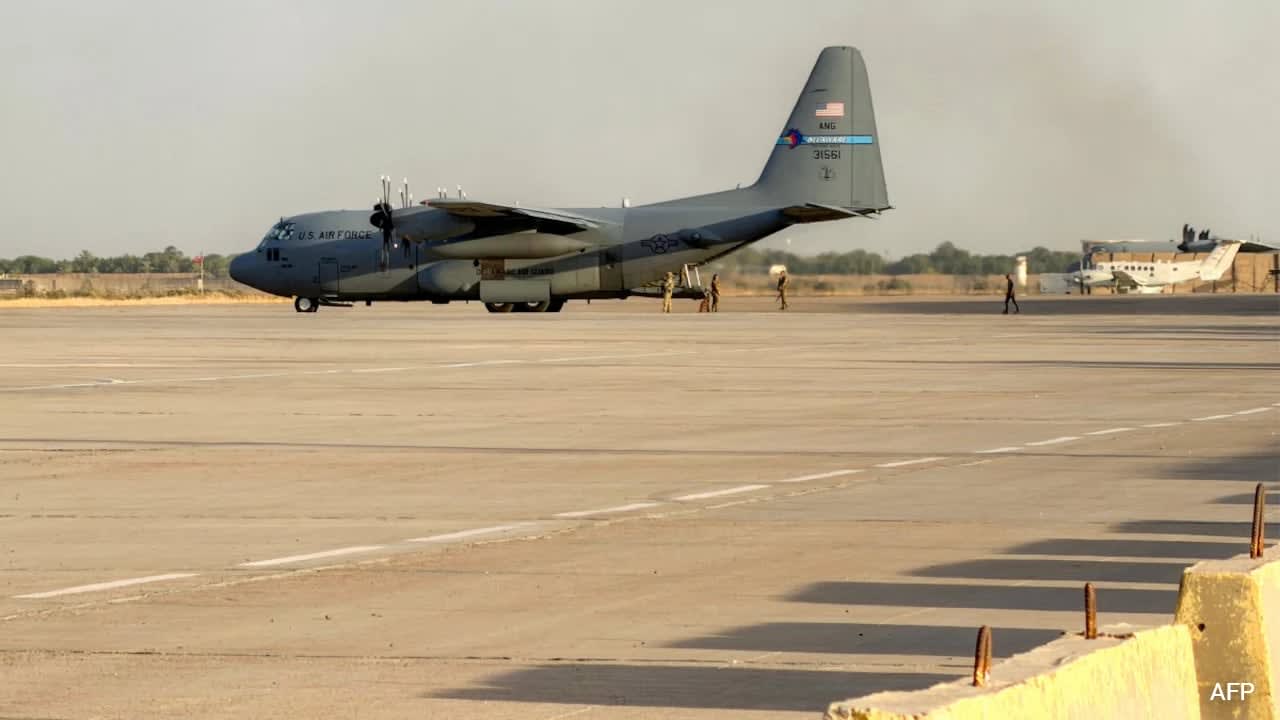
The US-led coalition has officially concluded its 12-year military mission in Iraq. A C-130 Hercules aircraft was observed departing Camp Victory as forces complete their final withdrawal.
The Conclusion of a Decade-Long Engagement
The departure of US-led coalition forces from Iraq marks the end of a complex 12-year military chapter that has fundamentally reshaped the geopolitical landscape of the Middle East. With the recent sighting of a US Air Force C-130 Hercules transport aircraft departing from Camp Victory, the logistical withdrawal has moved into its final, definitive phase. This exit signifies not just a change in military positioning, but a transition in the strategic footprint of Western powers in the region.
Historical Context and Strategic Shifts
Since the primary transition of power and subsequent security mandates, the coalition's presence in Iraq has been defined by evolving partnerships with the Iraqi Security Forces. Over the past twelve years, the mission has shifted from direct combat operations to advisory and training roles. The closure of Camp Victory—a site that served as a central nerve center for coalition operations—serves as a symbolic bookend to an era defined by counter-insurgency efforts and infrastructure development.
Operational Realities of the Withdrawal
Logistically, the departure of a C-130 Hercules is a significant indicator of the finalization of base closures. These aircraft are the workhorses of military transport, frequently utilized for the extraction of personnel and sensitive equipment. Their presence at Camp Victory during this transition highlights the meticulous, phased approach taken by coalition commands to ensure that the drawdown is conducted safely and without leaving behind critical tactical assets.
Broader Geopolitical Implications
The withdrawal of the coalition forces forces a new reality for the Iraqi state, which must now assume full sovereignty over its security architecture. This transition is expected to influence regional dynamics significantly, particularly as Iraq navigates its relationships with neighboring states and internal security factions. The vacuum left by the coalition will likely be filled by domestic security agencies, testing the capabilities built over the last decade of joint training exercises.
Future Trends and Stability
Looking ahead, the international community will be closely monitoring the stability of Iraq in the post-coalition era. The success of this transition will depend heavily on the maturity of Iraqi governance and the continued professionalization of its military forces. While the physical withdrawal is a finite event, the diplomatic and developmental ties forged over the last 12 years are likely to evolve into a traditional bilateral partnership rather than a security-dominated one.
Concluding Perspectives
In summary, the end of the US-led mission is a monumental transition point. By vacating installations like Camp Victory, the coalition is acknowledging that the objectives of their long-term mandate have reached a point of closure. As the final C-130s exit Iraqi airspace, the focus shifts from military intervention to the long-term sustainability of the Iraqi state in a changing regional order.
Verification Required?