Iran’s drones, coastal radar hit in ‘new wave’ of US attacks
Source Entity
The Indian Express
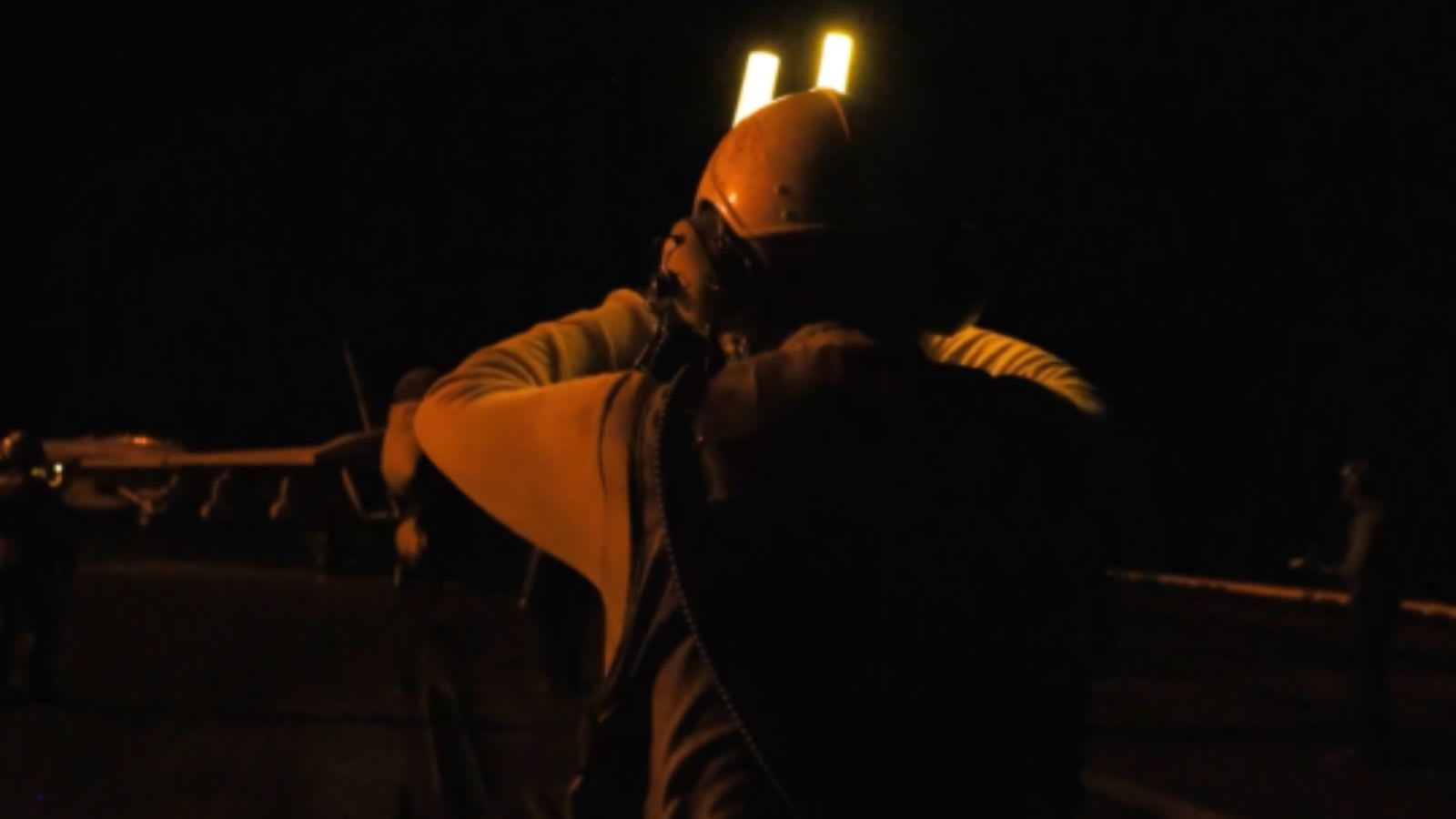
The US military carried out another wave of strikes on Iran on Sunday (Jul 12), targeting dozens of locations with precision munitions, said the US Central Command (CENTCOM). CENTCOM said that the mo...
Escalation in the Gulf: Analyzing the US Precision Strikes on Iranian Assets
On Sunday, July 12, the geopolitical landscape of the Middle East shifted further toward instability as the US Central Command (CENTCOM) executed a sophisticated wave of precision strikes across dozens of locations within Iran. These operations specifically targeted drone infrastructure and coastal radar systems, signaling a strategic effort by the United States to blind Iranian surveillance capabilities and neutralize its asymmetric warfare tools. By focusing on these high-value assets, the US military is not merely conducting a retaliatory strike but is actively attempting to degrade the operational capacity of the Islamic Revolutionary Guard Corps (IRGC) to launch coordinated attacks.
Strategic Significance of Targeted Assets
The decision to target coastal radar and drone facilities is highly calculated. Coastal radar systems are the eyes of Iran's defense network; by disabling them, the US effectively creates "blind spots" in Iran's ability to monitor naval and aerial movements in the Persian Gulf and the Gulf of Oman. Simultaneously, the focus on drone technology addresses one of Iran's most potent asymmetric advantages. In recent years, Iran has perfected the use of low-cost, high-impact loitering munitions to harass shipping and target regional adversaries. By striking these facilities, the US aims to disrupt the production and deployment cycle of these unmanned aerial vehicles (UAVs), thereby reducing the immediate threat to US assets and allies in the region.
Historical Context and the 'Shadow War'
This event does not occur in a vacuum but is the latest chapter in a decades-long "shadow war" between Washington and Tehran. From the collapse of the Joint Comprehensive Plan of Action (JCPOA) to the assassination of key military leaders in previous years, the relationship has been characterized by a cycle of provocation and response. Historically, the US has utilized a strategy of "maximum pressure" to force Iranian behavioral changes. These July 12 strikes represent a kinetic manifestation of that pressure, moving beyond economic sanctions into direct military degradation. This pattern suggests that the US is increasingly willing to bypass diplomatic channels in favor of direct action to ensure regional security.
Broader Implications for Regional Stability
The implications of these strikes extend far beyond the immediate damage to radar and drones. Such a bold move risks a cascading effect across the Middle East, potentially triggering retaliatory actions from Iran via its network of proxies in Iraq, Syria, and Yemen. The targeting of coastal infrastructure is particularly sensitive, as it touches upon Iran's perceived sovereignty over the Strait of Hormuz—a critical chokepoint for global oil supplies. Any Iranian attempt to "rebalance" the scales could lead to an escalation that disrupts global energy markets and forces regional powers like Saudi Arabia and the UAE to increase their own military readiness.
Future Trends and Predictive Outlook
Looking forward, we can expect a period of heightened volatility. Iran is unlikely to leave such a widespread attack unanswered, though it may choose to respond asymmetrically—perhaps through cyberattacks or proxy-led incursions—to avoid a full-scale direct war with the US. However, the precision of these strikes indicates that the US possesses updated and highly accurate intelligence on Iranian internal defenses, which may serve as a deterrent against a massive counter-strike. The long-term trend suggests a shift toward "active containment," where the US periodically degrades Iranian capabilities to prevent them from reaching a threshold that would necessitate a larger conflict.
Summary
The US strikes on July 12 represent a tactical victory in terms of degrading Iran's drone and radar capabilities, but they introduce significant strategic risks. By blinding Iranian coastal surveillance and hitting UAV hubs, the US has asserted military dominance while simultaneously increasing the likelihood of a retaliatory cycle. The global community now watches to see if this will lead to a renewed diplomatic effort or an inevitable slide toward a broader regional confrontation.