Security alone won’t secure India’s Indo-Pacific future
Source Entity
Gulshan Sachdeva
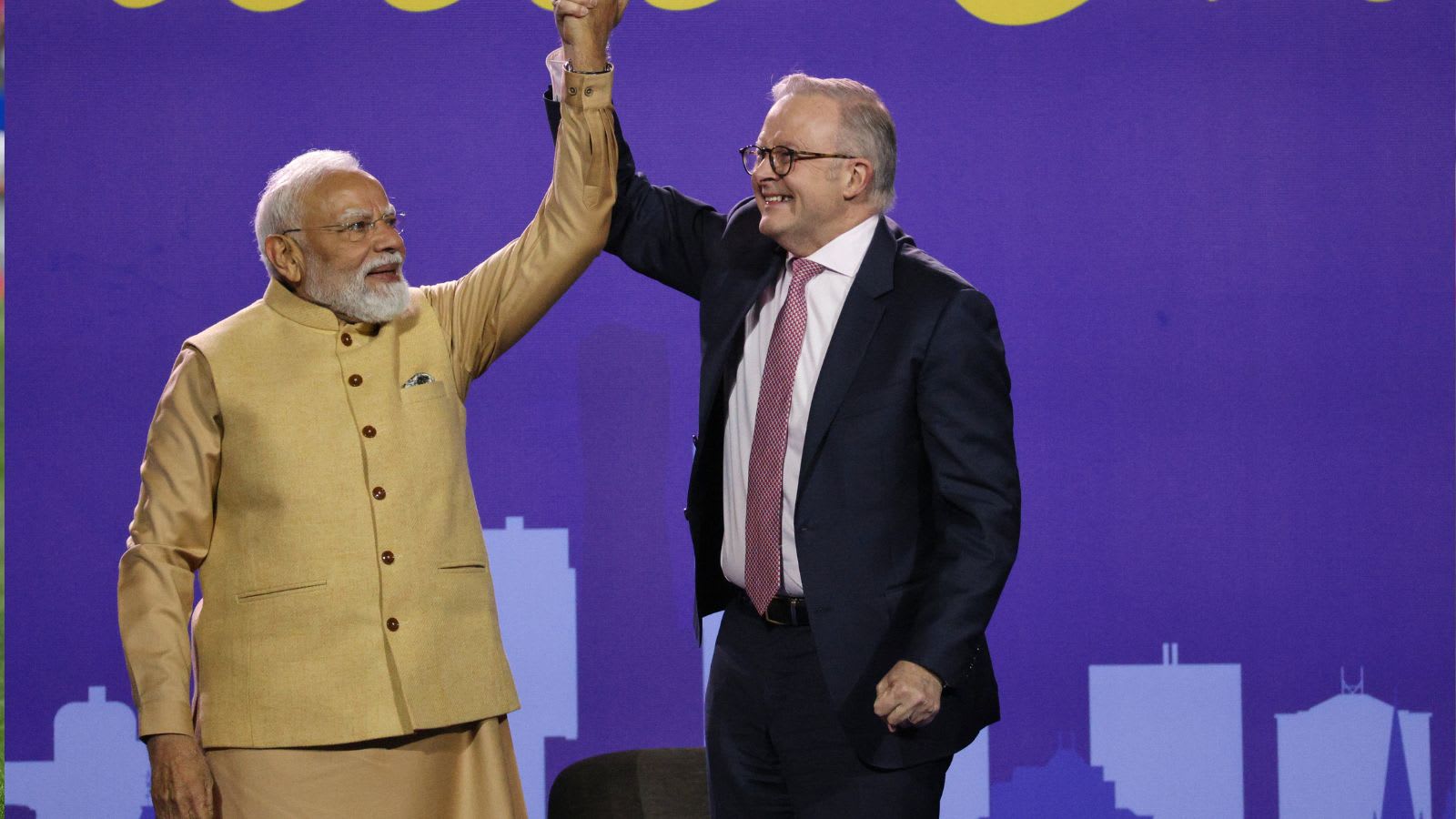
As strategic uncertainty deepens across the Indo-Pacific — with the United States stepping back, the Quad’s future in question, and President Trump embracing the prospect of a G2 with China — Prime Mi...
Navigating the Strategic Void: India's Indo-Pacific Dilemma
The geopolitical landscape of the Indo-Pacific is currently undergoing a period of profound volatility, characterized by shifting alliances and a precarious balance of power. The core premise is that India's pursuit of regional stability and influence cannot be sustained through security frameworks alone. While military partnerships and strategic alignments have provided a temporary bulwark against hegemony, the deepening strategic uncertainty—driven by the internal politics of global superpowers—necessitates a more holistic approach to diplomacy and economic integration.
The Fragility of Security-Centric Frameworks
For several years, the Quadrilateral Security Dialogue (the Quad), comprising India, the US, Japan, and Australia, has been viewed as the primary vehicle for ensuring a 'free and open Indo-Pacific.' However, the reliance on such security-centric architectures is inherently risky. When security is the sole pillar of a relationship, the partnership becomes vulnerable to the domestic political swings of its members. If the United States perceives its interests are better served through unilateralism or a strategic retreat, the Quad risks becoming a symbolic gesture rather than a functional deterrent. This fragility underscores the danger of India tethering its long-term regional security to the fluctuating political will of a single foreign power.
The Specter of a US-China 'G2'
One of the most pressing concerns highlighted is the potential return to a 'G2' mindset, where the United States and China manage global affairs through a bilateral arrangement, effectively sidelining middle powers like India. The prospect of a US-China rapprochement, potentially driven by a transactional approach to diplomacy (as seen in the rhetoric of figures like Donald Trump), could lead to a scenario where regional disputes are traded off for global stability. For India, a G2 world is a dangerous one; it risks being relegated to a regional player whose interests are decided in Washington and Beijing, rather than being a primary architect of the Indo-Pacific order.
Beyond Defense: The Need for Economic Statecraft
To mitigate these risks, India must expand its strategy beyond defense and security. True security in the Indo-Pacific is derived from economic interdependence and leadership in global supply chains. By strengthening trade ties with ASEAN nations and diversifying its economic partnerships, India can create a network of dependencies that make it indispensable to the region. Moving from a 'security provider' to an 'economic engine' allows India to build a broader coalition of partners who are invested in India's success not because of a shared enemy, but because of shared prosperity.
Strategic Autonomy in an Era of Uncertainty
Historically, India has championed 'strategic autonomy,' avoiding formal military alliances to maintain its independence in decision-making. This principle is more relevant now than ever. In a world where the US may step back or the Quad's future remains in question, India's ability to navigate between competing power centers without becoming a junior partner to any is its greatest asset. By balancing its security needs with proactive diplomatic outreach and institutional leadership, India can ensure that its voice remains central to the Indo-Pacific discourse regardless of the volatility in the West.
Conclusion
In summary, while security measures are necessary, they are insufficient to guarantee India's future in the Indo-Pacific. The looming threat of a US-China G2 and the instability of current security pacts demand a pivot toward a comprehensive strategy. By integrating economic statecraft, deepening regional ties, and adhering to a refined version of strategic autonomy, India can secure a position of strength that is resilient to the unpredictable shifts of global superpower politics.