Bangkok pub blaze kills 27: A look at the world's deadliest club fires
Source Entity
Latest News: Today's Latest News Headlines from India & World | Hindustan Times | Hindustan Times
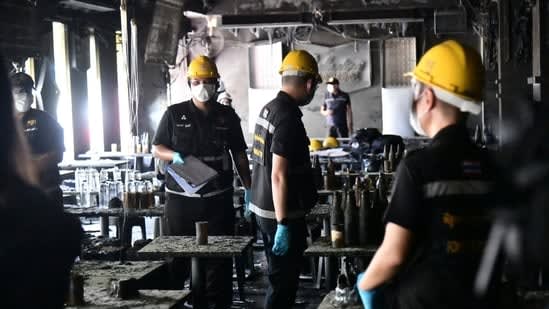
The explosive fire, which broke out at the Rong Beer Na Lat Phrao pub, killed 27 people and injured dozens
Tragedy in Bangkok: Analyzing the Rong Beer Na Lat Phrao Pub Blaze
Bangkok's vibrant nightlife has been shaken by a devastating explosion and fire at the Rong Beer Na Lat Phrao pub. The incident, which claimed the lives of 27 people and left dozens more injured, serves as a grim reminder of the volatility inherent in crowded entertainment venues when safety protocols are neglected. The scale of the casualty list suggests a rapid escalation of the fire, likely exacerbated by the structural layout of the venue and the speed with which smoke and flames engulfed the patrons.
The Mechanics of a Nightlife Catastrophe
The description of the fire as "explosive" points toward several potential catalysts common in such tragedies. In many pub and club settings, the use of flammable acoustic foam for soundproofing, combined with high-voltage electrical installations and the presence of alcohol, creates a high-risk environment. When a spark occurs, these materials can lead to a "flashover" effect, where the entire room ignites almost instantaneously. In the case of the Rong Beer Na Lat Phrao pub, the high death toll indicates that patrons likely faced obstructed exits or a lack of clear evacuation routes, leading to a fatal crush or inhalation of toxic fumes.
Historical Context of Global Club Fires
This event mirrors a pattern of global tragedies, such as the Kiss nightclub fire in Brazil or The Station nightclub fire in the US, where a combination of pyrotechnics, flammable interiors, and locked emergency exits turned a social gathering into a death trap. Historically, these events follow a cycle: a tragedy occurs, public outcry ensues, and governments implement stricter building codes. However, the recurrence of such events in major cities like Bangkok suggests a persistent gap between the existence of safety laws and their actual enforcement on the ground, particularly in smaller, independently owned venues.
Broader Implications for Urban Safety and Regulation
The aftermath of the Rong Beer Na Lat Phrao blaze will likely trigger a systemic review of entertainment licensing in Thailand. Beyond the immediate grief, this event puts pressure on municipal authorities to conduct rigorous audits of fire safety equipment, including sprinkler systems and fire extinguishers, across all nightlife districts. There is an inherent tension between the desire for atmospheric, "moody" lighting and decor in pubs and the stringent requirements for visibility and accessibility during an emergency. This tragedy underscores the necessity of prioritizing life safety over aesthetic appeal.
Predicting Future Trends in Venue Management
Moving forward, we can expect a shift toward more technologically integrated safety systems. The integration of AI-driven smoke detection and automated emergency lighting that guides patrons to the nearest exit regardless of smoke density could become industry standards. Furthermore, there will likely be a push for mandatory "fire marshals" within venues—trained staff members whose sole responsibility is crowd control and evacuation during crises, rather than relying on the general staff who may panic during an event.
Conclusion: A Call for Systemic Accountability
The loss of 27 lives at the Rong Beer Na Lat Phrao pub is not merely an accident but a failure of safety infrastructure. While the immediate focus remains on the victims and their families, the long-term solution lies in uncompromising regulatory oversight. Only through stringent inspections and the absolute enforcement of occupancy limits can Bangkok ensure that its nightlife remains a source of joy rather than a site of preventable tragedy.
Verification Required?