I got a speeding ticket for a car I sold years ago because the buyer never transferred the title. What do I do?
Source Entity
Yahoo Finance
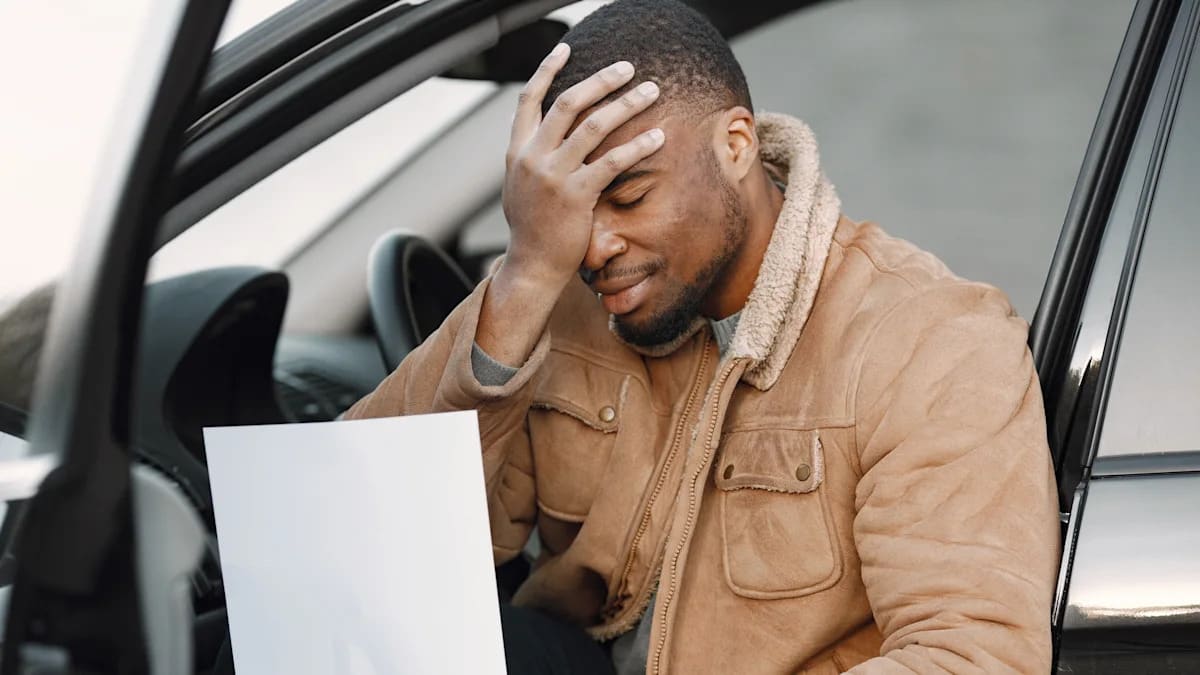
Even if you've sold your car and handed over the keys, that doesn't necessarily mean you've washed your hands of it. At least not in the eyes of the law. Take David, who sold his car a few years ago ...
The Hidden Liability of Vehicle Sales: A Case Study in Title Negligence
The scenario involving David, who received a speeding ticket for a vehicle he sold years ago, serves as a critical warning regarding the intersection of private commerce and government regulation. In many jurisdictions, the legal responsibility for a vehicle does not end with the exchange of money and keys; rather, it ends when the state's motor vehicle registry is officially updated. This gap between the physical transfer of ownership and the legal transfer of ownership creates a window of liability that can leave former owners exposed to financial penalties, legal summons, and even criminal implications.
The Legal Trap of Registered Ownership
At the core of David's predicament is the concept of 'Registered Owner Liability.' From the perspective of traffic enforcement and the Department of Motor Vehicles (DMV), the person listed on the title is the primary point of contact and the party responsible for the vehicle's conduct on public roads. When a camera captures a speeding violation or a police officer issues a citation via license plate, the ticket is automatically mailed to the address on file. Because the buyer failed to transfer the title, David remained the owner of record, making him the default target for enforcement actions regardless of who was actually behind the wheel.
The Phenomenon of 'Title Jumping'
This situation often stems from a practice known as 'title jumping,' where a buyer purchases a vehicle but avoids registering it in their own name to save on taxes and registration fees. They then sell the car to a third party using the original owner's title. This creates a dangerous legal vacuum. For the original seller, title jumping means they are indefinitely linked to a vehicle they no longer control. If the vehicle is involved in a serious accident, the original owner could potentially be named in a civil lawsuit, as they are still the legal owner of the 'instrument' that caused the harm.
Navigating the Resolution Process
To resolve such a crisis, David must move beyond the simple claim that he 'sold the car.' Courts and administrative agencies typically require a documented paper trail. The most critical piece of evidence is a signed Bill of Sale, which serves as a contractual agreement proving the date of transfer and the identity of the buyer. Furthermore, many regions provide a 'Notice of Transfer and Release of Liability' (NRL) form. If David had filed this form with the DMV at the time of sale, the state would have a record that he relinquished ownership, effectively shielding him from tickets issued after that date.
Broader Implications and Systemic Risks
Beyond simple speeding tickets, the failure to transfer titles has broader societal implications. Unregistered vehicles are often used in criminal activities because they lack a current, traceable owner. When law enforcement recovers a vehicle used in a crime, the trail often leads back to an innocent former owner like David, leading to unnecessary police interrogations and legal stress. This highlights a systemic failure in how vehicle transfers are handled, relying too heavily on the honor system between private citizens rather than a mandatory, synchronized government update.
Future Trends in Vehicle Registration
Looking forward, the transition toward digital titles and blockchain-based registration systems could eliminate these vulnerabilities. By implementing a real-time, digital handshake between buyer and seller that automatically updates the government registry, the 'liability gap' could be closed entirely. Until such technology is universal, the burden remains on the seller to proactively notify the state of the sale rather than assuming the buyer will fulfill their legal obligation to register the vehicle.
Summary
David's experience underscores a vital lesson in consumer law: the sale of a vehicle is not complete until the government acknowledges the change in ownership. To avoid becoming a legal scapegoat for a buyer's negligence, sellers must insist on a signed Bill of Sale and immediately file a Release of Liability with their local motor vehicle authority.