UK seeking extradition of man suspected of killing wife and two daughters
Source Entity
BBC News
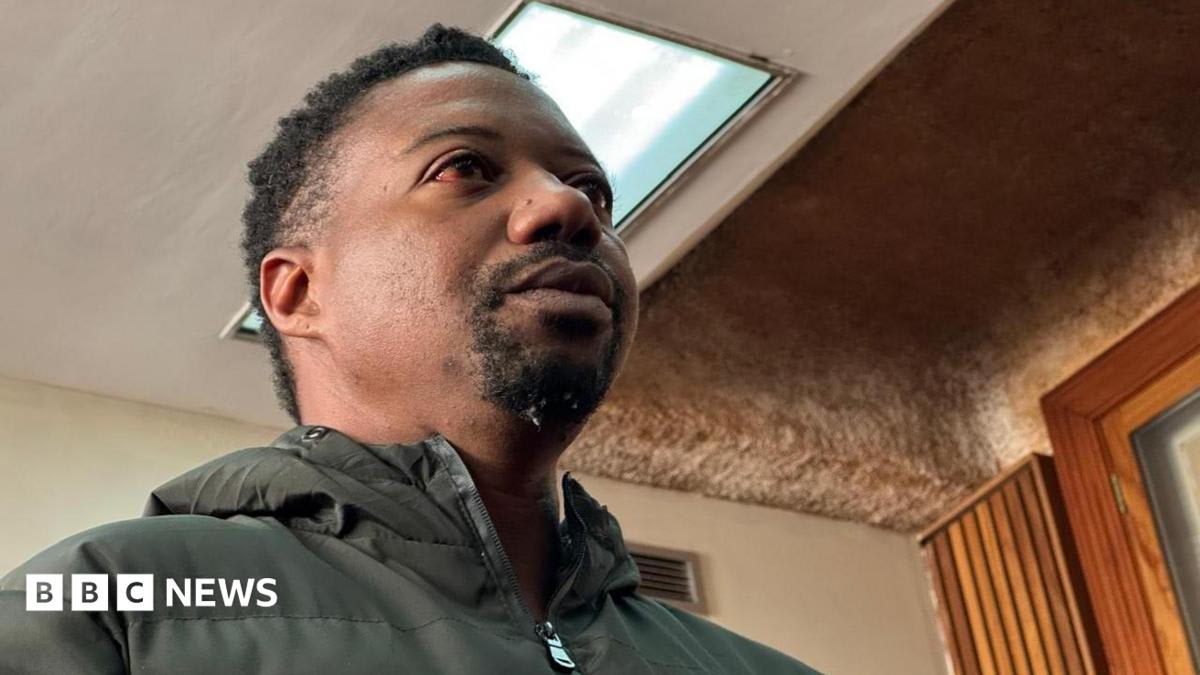
Ndodana Mkhanyisi Tshuma is in court after being arrested in Johannesburg.
International Justice Pursuit: The Case of Ndodana Mkhanyisi Tshuma
The arrest of Ndodana Mkhanyisi Tshuma in Johannesburg marks a critical juncture in a harrowing criminal investigation originating in the United Kingdom. Tshuma stands accused of the most severe of crimes—the suspected killing of his wife and two daughters. The transition of this case from a domestic UK investigation to an international manhunt underscores the gravity of the allegations and the commitment of British authorities to ensure that the suspect faces justice, regardless of where he sought refuge.
The Complexities of International Extradition
Extradition is a sophisticated legal process that relies on bilateral treaties and diplomatic cooperation between sovereign nations. In this instance, the UK must navigate the South African legal system to secure Tshuma's return. This process typically involves a formal request from the requesting state (the UK) to the requested state (South Africa), followed by a judicial review in the local courts to ensure that the request meets specific legal criteria. Because the charges involve the deaths of three family members, the case is likely to be prioritized, yet it remains subject to the rigorous due process requirements of the South African judiciary.
Analyzing the Nature of the Alleged Crime
While specific details of the incident remain confined to the investigation, the nature of the charges—the killing of a spouse and children—falls under the category of familicide. Such crimes often send shockwaves through both the local community and the international press due to their extreme violence and the breach of the fundamental familial bond. From a psychological and criminological perspective, these cases often involve complex dynamics of control and desperation. The pursuit of Tshuma across continents suggests a determined effort to provide closure to the victims' extended family and to uphold the rule of law.
Potential Legal Hurdles and Challenges
It is common in high-profile extradition cases for the defense to challenge the request. Potential grounds for opposition often include arguments regarding the conditions of prisons in the requesting country, claims of political motivation, or assertions that the suspect would not receive a fair trial. In the case of Tshuma, the legal battle in Johannesburg may center on whether the evidence provided by the UK is sufficient to establish a prima facie case. Any such delays can prolong the agony for the victims' loved ones and complicate the gathering of evidence as time passes.
The Role of Global Policing Networks
This arrest highlights the efficacy of international policing cooperation, likely involving Interpol or direct intelligence sharing between the UK's National Crime Agency (NCA) and South African authorities. The ability to track and apprehend a fugitive in a major metropolitan hub like Johannesburg demonstrates how modern surveillance and global communication networks have narrowed the spaces where fugitives can hide. This case serves as a deterrent to others who believe that crossing international borders grants them immunity from prosecution for violent crimes.
Future Implications and Judicial Outlook
Looking forward, the outcome of the court proceedings in Johannesburg will determine the trajectory of this case. If the extradition is granted, Tshuma will be transported back to the UK to face trial in a British court. This will lead to a lengthy legal process involving forensic analysis, witness testimonies, and a determination of guilt or innocence. The case will likely be closely monitored by human rights organizations and legal experts interested in the application of international extradition law in cases of extreme domestic violence.
Conclusion
In summary, the arrest of Ndodana Mkhanyisi Tshuma is a pivotal step toward achieving justice for a family devastated by suspected violence. While the legal road from a Johannesburg courtroom to a UK trial is fraught with procedural complexities, the international cooperation displayed here reinforces the principle that there is no safe haven for those accused of heinous crimes. The world now awaits the judicial decision that will determine if Tshuma will finally answer for the lives of his wife and daughters on British soil.