‘Did he run from the kids…?’: Chilling questions emerge in Nolan Wells' death as ‘fighting’ claims surface
Source Entity
Latest News: Today's Latest News Headlines from India & World | Hindustan Times | Hindustan Times
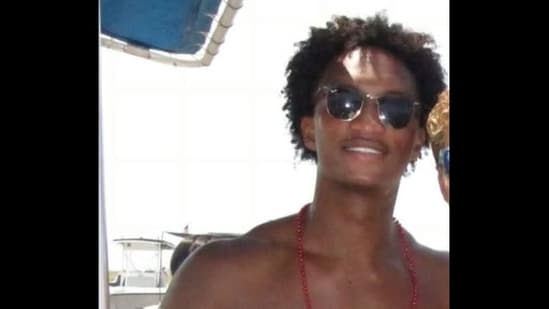
Conversations on social media indicate that witnesses saw a fight break out before Nolan Wells was found dead.
Investigation into the Death of Nolan Wells
The Emergence of Conflicting Narratives
The death of Nolan Wells has become a focal point of intense public scrutiny, characterized by a surge of unverified reports and chilling questions circulating online. The core of the current controversy centers on the circumstances immediately preceding the discovery of his body. While official reports may still be pending, the public discourse has been dominated by claims that the event was not a simple accident or a solitary tragedy, but rather the result of a violent confrontation.
Analyzing Social Media Claims and Witness Accounts
Central to the current unrest are conversations on social media platforms where purported witnesses claim to have seen a fight break out before Wells was found dead. These accounts introduce a critical element of volatility to the case, suggesting that the death may be linked to an interpersonal conflict. The phrase "Did he run from the kids?" adds a layer of complexity and distress to the narrative, implying a possible chase or a chaotic interaction involving minors, which significantly alters the perceived nature of the event from a medical or accidental occurrence to a potential criminal investigation.
The Impact of Digital Speculation on Official Inquiries
This case highlights the modern tension between official law enforcement investigations and the rapid spread of information via social media. When "fighting claims surface" in the digital sphere before official statements are released, it can create a feedback loop of speculation that may either assist investigators by surfacing witnesses or hinder them by contaminating potential testimony. The specific mention of "running from kids" creates a narrative of desperation or fear that demands rigorous factual verification to determine if these social media accounts reflect reality or are the result of collective conjecture.
Conclusion
At present, the death of Nolan Wells remains shrouded in uncertainty, with the gap between official facts and social media claims creating a climate of suspicion. The focus now rests on whether the claims of a fight and the mysterious involvement of children can be substantiated by forensic evidence or formal witness statements. Until such evidence is produced, the case serves as a stark example of how social media can rapidly transform a local tragedy into a complex public mystery.
Verification Required?