U.S. and Iran exchange strikes as Strait of Hormuz standoff escalates
Source Entity
US Top News and Analysis
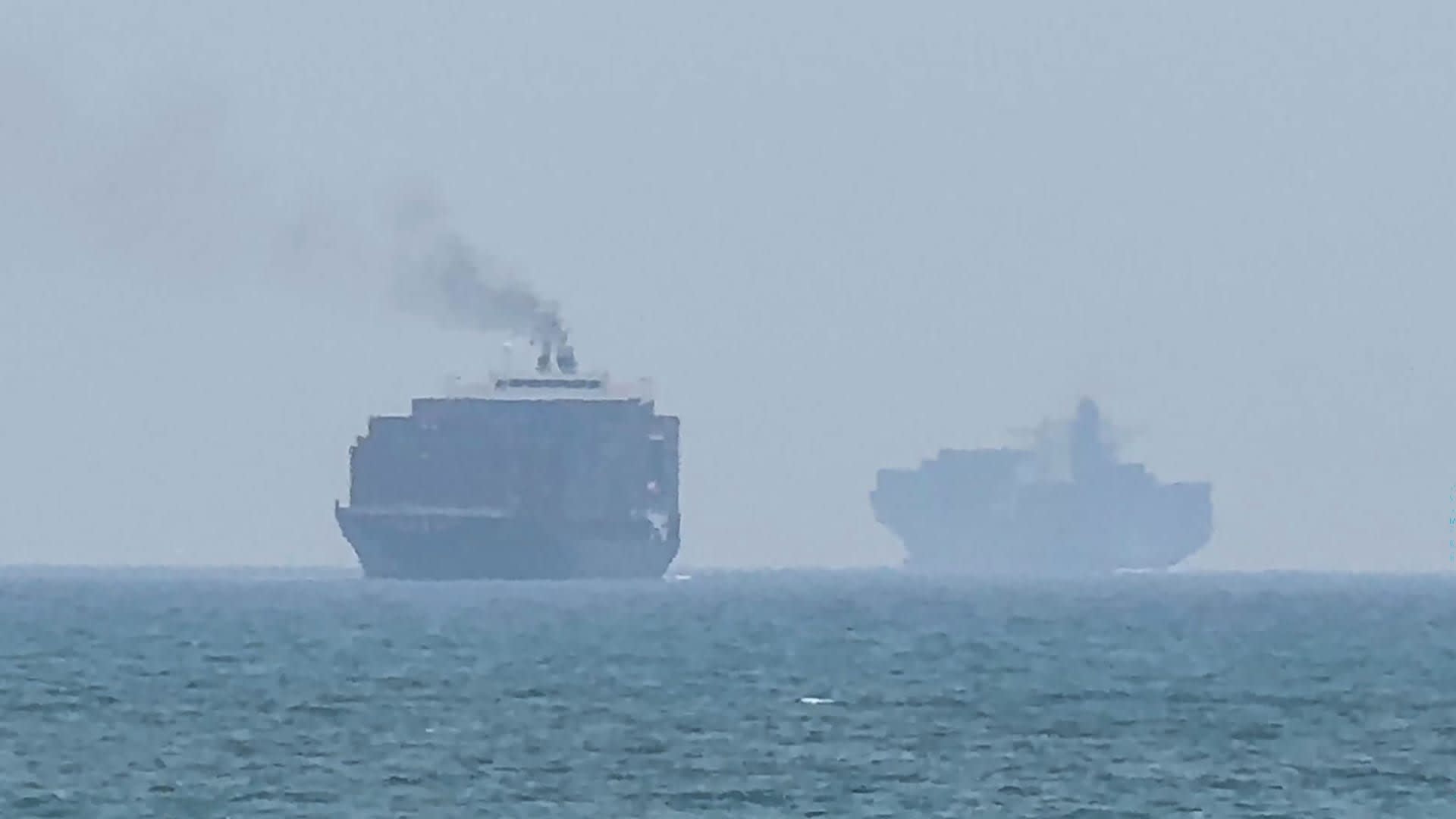
Iran responded to a fresh wave of strikes by U.S. forces by launching an attack on American military bases in several Gulf states.
Escalation in the Persian Gulf: US-Iran Military Confrontation
The recent exchange of military strikes between the United States and Iran marks a perilous escalation in an already volatile region. The conflict has transitioned from a 'shadow war' of proxies and cyberattacks into direct kinetic engagement. Following a series of U.S. strikes, Iran has responded by targeting American military installations located within several Gulf states. This cycle of aggression indicates a breakdown in diplomatic communication and a shift toward a high-intensity confrontation that threatens the stability of the entire Middle East.
The Strategic Significance of the Strait of Hormuz
At the heart of this standoff is the Strait of Hormuz, one of the world's most critical maritime chokepoints. As the primary artery for the transport of oil from the Persian Gulf to global markets, any instability in this narrow waterway has immediate global repercussions. By centering the standoff here, Iran leverages its geographic position to signal that it can disrupt global energy supplies, effectively using the threat of an economic shock to pressure the U.S. into altering its military posture. The intersection of military strikes and the threat to maritime transit creates a dual-layer crisis: a regional security threat and a global economic risk.
Implications for Gulf State Sovereignty
The fact that Iran has targeted U.S. bases located within 'several Gulf states' adds a complex layer of geopolitical tension. These host nations, primarily members of the Gulf Cooperation Council (GCC), now find themselves as the literal battlefield for a superpower conflict. While these nations rely on the U.S. security umbrella for protection, the presence of U.S. assets makes them targets for Iranian retaliation. This puts host governments in a precarious position, balancing their strategic alliance with Washington against the immediate physical threat to their own sovereign territory and civilian populations.
Historical Context of the 'Shadow War'
To understand the current escalation, one must look at the historical cycle of tension between Tehran and Washington. For decades, the two nations have engaged in a pattern of escalation and de-escalation, often centered around nuclear proliferation, sanctions, and regional influence. Previous incidents, such as the 2020 assassination of General Qasem Soleimani and subsequent Iranian missile strikes, established a precedent for direct engagement. However, the current wave of strikes appears more widespread, suggesting that the previous 'rules of engagement' that prevented all-out war have been discarded in favor of more aggressive deterrence strategies.
Global Economic and Energy Consequences
Beyond the immediate military casualties, the global economy is highly sensitive to the 'Strait of Hormuz standoff.' Oil markets typically react with extreme volatility to news of strikes in the Gulf, leading to price spikes that fuel global inflation. Shipping companies are likely to face skyrocketing insurance premiums for tankers traversing the region, which in turn increases the cost of goods worldwide. If the standoff results in a blockade or sustained attacks on tankers, the world could face an energy crisis reminiscent of the 1970s, forcing nations to scramble for alternative energy sources and strategic reserves.
Future Trends and Potential Outcomes
Looking forward, the trajectory of this conflict depends on whether both parties view these strikes as a means of 'coercive diplomacy' or as the opening phase of a broader war. There are two primary likely scenarios: a rapid de-escalation mediated by third-party neutrals (such as Oman or Qatar) to prevent total economic collapse, or a gradual expansion of the conflict into a full-scale regional war involving multiple allies. The use of long-range precision strikes on bases suggests that both sides are testing the other's resolve and capabilities, increasing the risk of a miscalculation that could lead to an uncontrollable spiral of violence.
Conclusion
In summary, the exchange of strikes between the U.S. and Iran is more than a localized military skirmish; it is a high-stakes geopolitical gamble. By targeting bases in Gulf states and threatening the Strait of Hormuz, Iran is challenging U.S. hegemony in the region, while the U.S. is attempting to project strength through proactive strikes. The result is a fragile security environment where the margin for error is slim, and the potential for global economic disruption is immense. Immediate diplomatic intervention is the only viable path to avoiding a catastrophic regional conflict.