Mortgage rates sit at nearly 3-year high, and demand continues to shrink
Source Entity
US Top News and Analysis
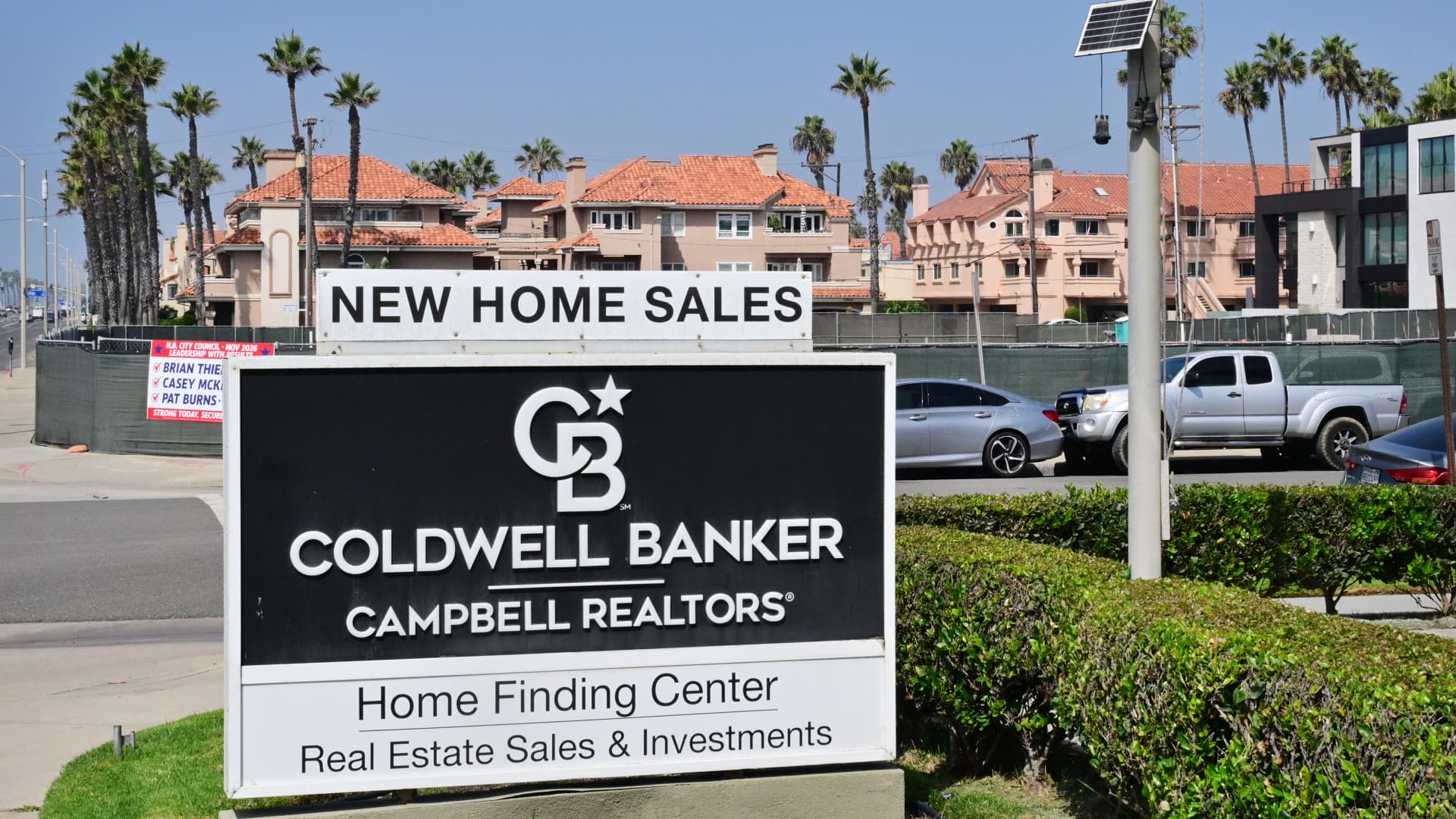
US mortgage rates have surged to a three-year high of 7.49%, driving a significant 4.2% drop in application volume. This trend continues to suppress demand for both home purchases and refinances as buyers face increased financial pressure.
The Cooling Housing Market: Analyzing the Surge in Mortgage Rates
A Three-Year High in Borrowing Costs
The United States housing market is currently grappling with a significant tightening of credit conditions, as mortgage rates have ascended to their highest levels in nearly three years. Recent data from the Mortgage Bankers Association (MBA) confirms that the average contract interest rate for a 30-year fixed-rate mortgage has climbed to 7.49%. This sharp increase, up from 7.30% the previous week, represents a substantial hurdle for prospective homeowners who are already contending with high property valuations.
The Direct Impact on Application Volume
The financial strain caused by these elevated rates is manifesting clearly in market activity. Total mortgage application volume has recorded a 4.2% decline, signaling a retreat from the market by both buyers and existing homeowners looking to refinance. Particularly telling is the 8% drop in refinancing applications, which are highly sensitive to rate fluctuations. These figures suggest that the dream of lowering monthly payments through refinancing has become increasingly unattainable for many, as current rates sit 56% higher than previous benchmarks.
Economic Drivers and Treasury Yields
Behind the headline rate of 7.49% lies a complex interplay of macroeconomic factors. The rise in mortgage rates is intrinsically linked to broader trends in Treasury yields, persistent inflation concerns, and market anxieties regarding Federal Reserve policy. As investors adjust their expectations for future interest rates, the cost of borrowing for residential real estate has been pushed upward, effectively pricing out segments of the population that were previously viable candidates for homeownership.
Political Context and Market Sentiment
This cooling effect on the housing sector occurs during a pivotal moment in the American political calendar. With the November 3 US elections approaching, the economic environment surrounding housing has become a focal point of public discourse. The election outcome, which will determine the control of Congress, adds a layer of uncertainty to economic policy, potentially influencing how market participants view long-term fiscal stability and future housing demand.
Future Implications for the Housing Sector
Looking forward, the persistence of these high rates suggests that the housing market may face a prolonged period of suppressed activity. If rates remain at this 7.49% threshold, the barrier to entry for first-time buyers will likely continue to rise, forcing a transition toward a more renter-dominated landscape or a stagnation in home sales volume. The inability of the market to sustain demand at these levels points to a challenging environment for lenders and real estate professionals alike, as they navigate a cycle of reduced transaction volume and heightened buyer hesitation.
Conclusion
In summary, the current mortgage landscape is characterized by a significant contraction in demand fueled by rising interest rates and economic uncertainty. While the 7.49% rate serves as a major indicator of the current financial climate, the broader implications involve a fundamental shift in the accessibility of homeownership. As the nation approaches the November elections, the housing market remains a critical barometer of the health of the American economy.