Retail sales surged toward the end of summer. U.S. economy has plenty of momentum.
Source Entity
Jeffry Bartash
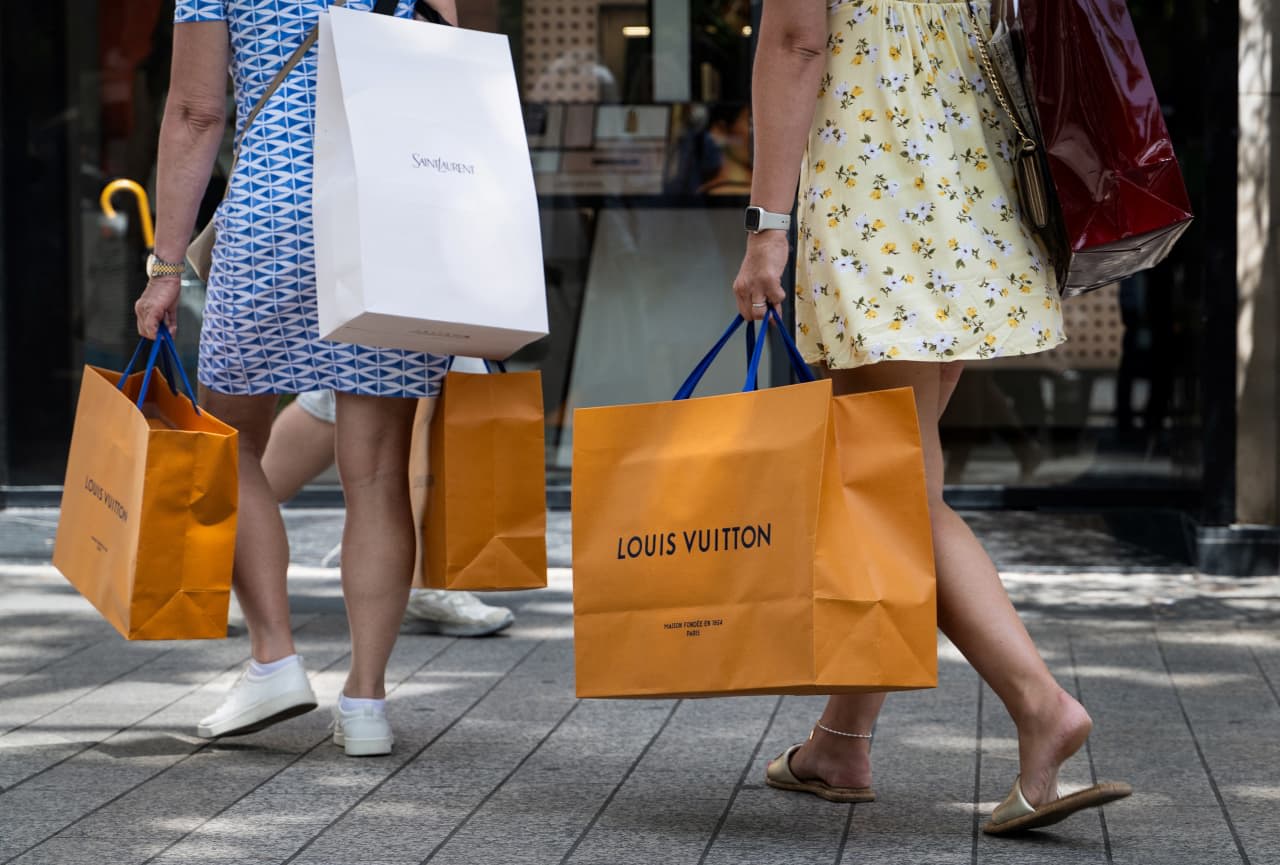
U.S. retail sales saw a significant surge in August, marking the largest increase in five months. This resilience in consumer spending has prompted economists to raise third-quarter GDP forecasts while signaling potential Federal Reserve interest rate hikes.
Economic Resilience: Analyzing the August Retail Surge
A Strong Finish to Summer
Recent data from the Commerce Department confirms that U.S. retail sales experienced a significant rebound in August, marking the largest increase in a five-month period. This uptick serves as a primary indicator of economic momentum, suggesting that despite prevailing concerns, the U.S. economy maintained considerable strength as the summer season concluded. Households demonstrated a willingness to increase spending across various sectors, including a notable rise in purchases of goods and increased patronage at restaurants and bars.
Implications for GDP and Economic Growth
The robust nature of these retail figures has led many economists to revise their Gross Domestic Product (GDP) growth estimates for the third quarter upward. This adjustment reflects a broader confidence in the economy’s ability to sustain growth even under fiscal pressure. By analyzing the shift in consumer behavior, analysts suggest that domestic demand remains a powerful engine driving the current economic landscape, effectively buffering against potential downturns.
The Inflationary Paradox
While the surge in retail activity highlights economic resilience, it simultaneously underscores the complex challenge of persistent inflation. The data reveals a dual reality: consumers are actively participating in the market, yet this heightened demand contributes to ongoing inflationary pressures. The report, coupled with data showing a surge in import prices and accelerating consumer and producer price indices, illustrates a market where high demand meets rising costs.
Federal Reserve Policy and Market Response
This economic environment has effectively solidified the justification for a widely anticipated interest rate increase by the Federal Reserve. Economists point to the combination of strong retail data and inflationary indicators as the key drivers for this policy shift. By raising rates, the Federal Reserve aims to temper the economy's momentum just enough to curb inflation without stifling the consumer confidence that has spurred this recent growth.
Future Trends and Concluding Summary
Looking forward, the tension between consumer resilience and inflation will likely dictate the path of the U.S. economy through the end of the year. While the August retail surge provides a necessary boost to the GDP, the resulting inflationary pressure necessitates a careful balancing act by policymakers. The ability of the American consumer to maintain these spending levels will remain the primary barometer for economic health, setting the stage for critical shifts in monetary policy as the year progresses.
Multiple Citing Sources
Verification Required?