Traders are betting Trump may soon turn on Fed chair Kevin Warsh as interest-rate hikes loom
Source Entity
Joseph Adinolfi
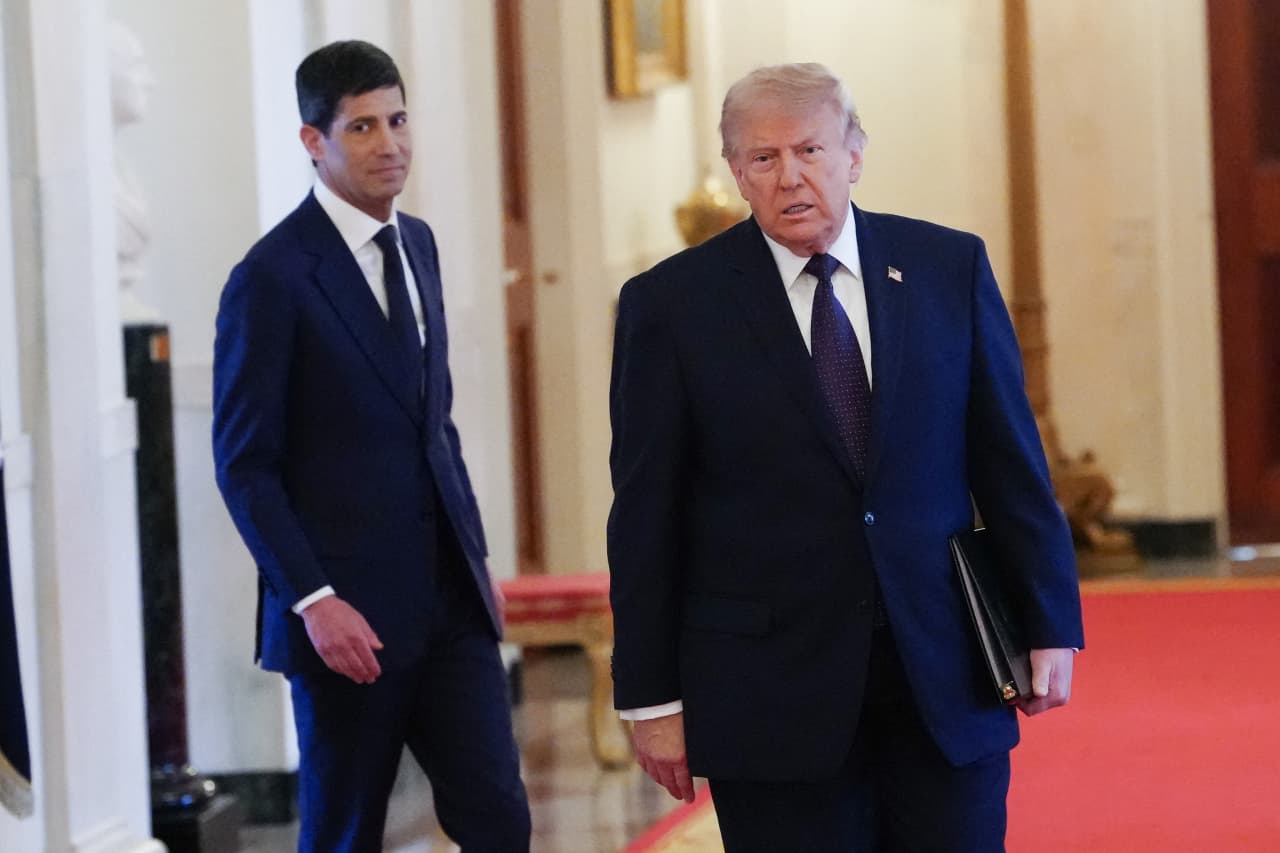
The U.S. 10-year Treasury yield has climbed above 5%, reflecting heightened market concerns over inflation and Federal Reserve policy. Investors are closely watching the FOMC meeting as expectations for further interest rate hikes grow.
The Significance of the 5% Treasury Yield Threshold
For the first time in years, the benchmark 10-year U.S. Treasury yield has breached the 5% threshold, a move that signals a profound shift in the landscape of global finance. This development is not merely a technical movement in bond markets; it represents a fundamental recalibration of risk and return for investors worldwide. When the "risk-free" rate of return on U.S. government debt rises to 5%, it creates a gravitational pull that forces every other asset class, from equities to real estate, to justify their valuations against this new, higher benchmark.
The Federal Reserve and Monetary Policy Pressure
The timing of this yield surge is critical, coinciding with the Federal Open Market Committee’s (FOMC) two-day meeting. Markets are currently pricing in a high probability of a quarter-point rate hike, a sentiment bolstered by the CME FedWatch tool, which indicates a dramatic shift in expectations from just a month ago. As the Federal Reserve navigates the challenge of bringing inflation—recently recorded at 3.4%—back toward its target, the bond market is essentially signaling that higher rates may persist for longer than previously anticipated.
Inflationary Drivers and Geopolitical Instability
Several factors are fueling this upward pressure on yields. Beyond the standard monetary policy cycle, the global economic environment is currently strained by geopolitical tensions, specifically the war in Iran, which has contributed to surging energy prices. When energy costs rise, they act as a persistent inflationary force, complicating the Fed's mandate. The 10-year yield is now roughly a full percentage point higher than it was before the onset of this conflict, illustrating how geopolitical risk premiums are being priced directly into U.S. sovereign debt.
The Impact of Structural Economic Shifts
Beyond immediate geopolitical concerns, structural shifts in the economy are also driving debt issuance and, consequently, yields. A significant surge in corporate debt issuance is currently underway, largely attributed to the massive infrastructure requirements necessitated by the rapid growth of artificial intelligence. As corporations borrow heavily to fund these capital-intensive projects, the overall demand for capital increases, putting further upward pressure on interest rates across the maturity spectrum, including the 20- and 30-year notes.
Fiscal Implications for the U.S. Government
Perhaps the most concerning aspect of this trend is the fiscal math facing the United States. As Treasury yields remain elevated, the cost of servicing the national debt increases significantly. A higher interest rate environment means that a larger portion of the federal budget must be diverted to interest payments, potentially crowding out other fiscal priorities. This creates an "uglier" long-term fiscal trajectory, as the government is forced to refinance existing debt at these significantly higher prevailing market rates.
Conclusion: A New Era of Higher Rates
The recent breach of the 5% mark is a clear indicator that the era of ultra-low interest rates is firmly in the rearview mirror. While bond buyers have occasionally stepped in to provide support—as seen when the 10-year yield eased from 5.01% to close at 4.99%—the overarching trend remains sensitive to incoming economic data and central bank rhetoric. Investors and policymakers alike must now adjust to a environment where the cost of borrowing reflects both the reality of persistent inflation and the massive capital demands of a transforming global economy.
Multiple Citing Sources
Verification Required?