Store brands like Kirkland are winning the war for consumer wallets, squeezing out national brands
Source Entity
Bill Peters
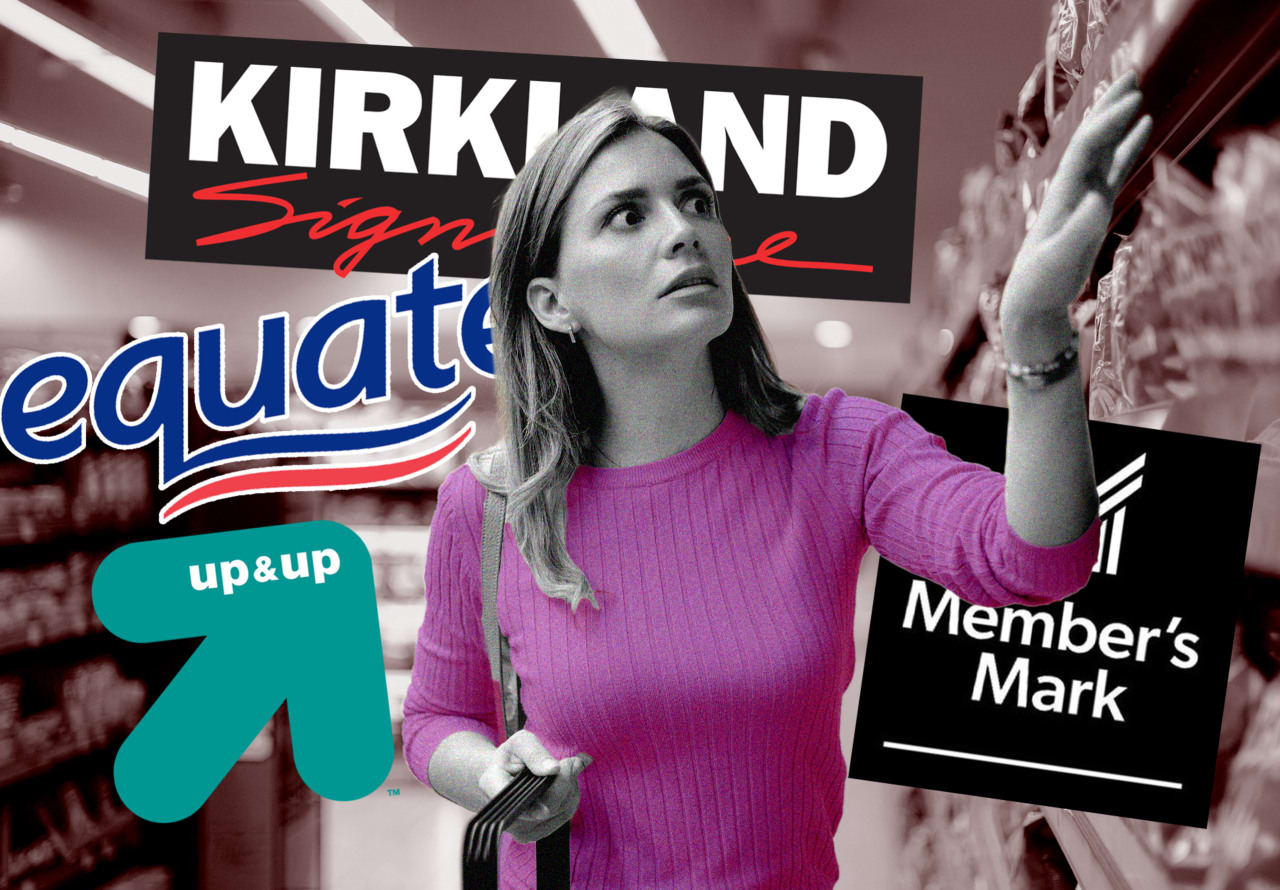
Private label brands like Kirkland are increasingly dominating the retail market, pressuring national brands to rethink their competitive strategies. This shift reflects a broader consumer trend toward prioritizing value and quality in store-brand offerings.
The Rise of Private Labels: A Retail Paradigm Shift
The Erosion of Brand Loyalty
In recent years, the retail landscape has undergone a tectonic shift as private label brands, led by giants like Costco’s Kirkland Signature, have successfully challenged the long-standing dominance of national brands. What was once perceived as a budget-friendly alternative has evolved into a formidable competitor that now rivals name-brand quality across diverse product categories, from personal care items like razors to consumer staples like soda. This transition signifies a fundamental change in consumer behavior, where the psychological premium once attached to national labels is rapidly being replaced by a pragmatic focus on value and performance.
Quality Perception and Consumer Trust
Historically, store brands suffered from a reputation for inferior quality, often relegated to the bottom shelves of supermarkets. However, retailers have strategically pivoted by investing in supply chain transparency and product development that mimics or exceeds the standards of established national players. By curating a portfolio of high-quality products, retailers have built significant trust with their customer base. When a consumer experiences a store-brand product that performs identically to a national competitor at a lower price point, the perceived necessity of the national brand evaporates, creating a long-term loyalty to the retailer's house brand instead.
Supply Chain Efficiency and Margin Control
From a business perspective, the surge in private label popularity is driven by the internal control retailers maintain over their own supply chains. By cutting out the middleman—the national brand manufacturer—retailers can capture higher margins while simultaneously passing savings on to the consumer. This dual benefit creates a competitive moat that is difficult for national brands to breach. National brands are now forced into a defensive position, compelled to justify their higher price points through aggressive marketing or innovation, a battle that is becoming increasingly expensive and difficult to win.
The Impact on National Brand Strategy
For many legacy brands, the current market environment leaves little room for error. The 'war for the wallet' is effectively being won by retailers who can leverage their existing shelf space to promote their own products at the point of sale. National brands that fail to differentiate themselves through unique value propositions, proprietary technology, or specialized branding are finding themselves squeezed out of the retail ecosystem. This trend suggests that the future of retail will be defined by a polarization between premium, niche national brands and ubiquitous, high-value private labels.
Future Trends in Retail Competition
As we look toward the future, the reliance on private labels is likely to intensify. Retailers are expected to expand their house-brand offerings into more complex categories, including electronics and premium household goods, to further capture consumer spending. National brands will need to pivot toward omnichannel strategies or direct-to-consumer models to circumvent traditional retail constraints. Ultimately, the success of private labels like Kirkland serves as a clear indicator that the traditional retail power structure has been permanently altered in favor of those who own the distribution channel.
Verification Required?