Amazon gives its workers a raise of $1 per hour
Source Entity
Amanda Silberling
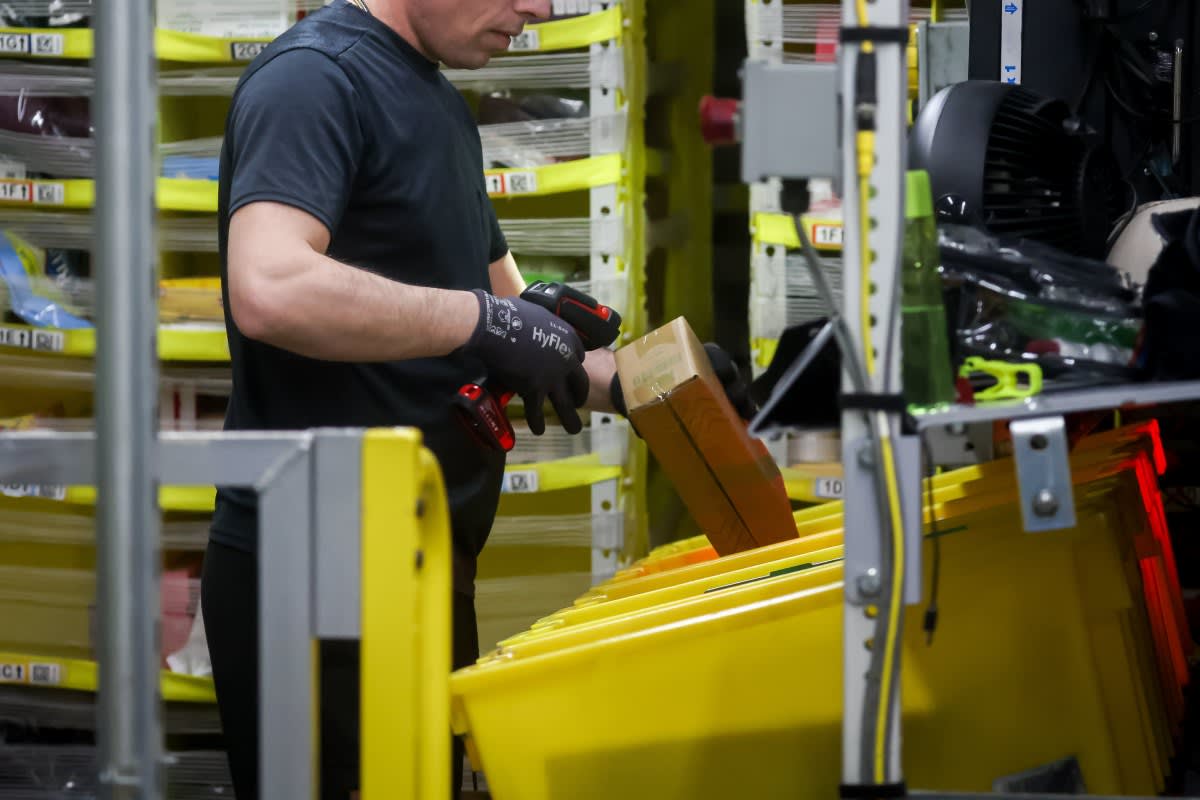
Amazon is increasing the hourly wage of its U.S. fulfillment and delivery staff by $1, raising the minimum starting pay to $20 per hour. This $1.5 billion investment aims to bolster employee compensation alongside new financial benefits like the Day 1 Financial banking system.
Amazon Announces Wage Increases for U.S. Operations Staff
Amazon has officially announced a pay raise for its core U.S. operations workforce, including fulfillment center employees and delivery drivers. This adjustment, which adds $1 per hour to the wages of eligible staff, brings the minimum starting pay to $20 per hour and raises the average hourly rate to nearly $24. According to Udit Madan, Amazon’s Senior Vice President, this move is part of a broader strategy to ensure competitive compensation, with total average hourly compensation—when factoring in benefits—reaching over $32 per hour.
The Financial Scale of the Investment
The fiscal commitment behind this policy change is substantial, totaling over $1.5 billion. While this figure is significant in isolation, it represents only about 0.06% of Amazon’s $2.68 trillion market capitalization. This contrast highlights the massive scale of the e-commerce giant, illustrating how even relatively small percentages of its total valuation translate into multi-billion-dollar investments in human capital and operational infrastructure.
Expanding Beyond Hourly Wages
Beyond direct salary increases, Amazon is diversifying its support for employees through new financial wellness initiatives. The company is introducing access to a low-cost banking system known as 'Day 1 Financial' and providing memberships to the First Tech Federal Credit Union. These additions suggest a shift toward holistic employee support, aiming to provide workers with tools for financial management that extend beyond the paycheck itself.
The Broader Economic Context
This wage hike arrives at a time when the labor market for warehouse and logistics personnel remains highly competitive. By setting a $20-per-hour floor for starting pay, Amazon is positioning itself to attract and retain talent in an economy where inflation and cost-of-living adjustments remain at the forefront of worker concerns. This strategy is essential for maintaining the high-speed operational efficiency that defines Amazon’s supply chain model.
Implications for Future Labor Trends
As one of the largest private employers in the United States, Amazon’s compensation decisions often act as a benchmark for the retail and logistics sectors. By normalizing higher minimum wages and bundling them with credit union access, Amazon is setting a new precedent for corporate benefits. Competitors will likely be forced to evaluate their own compensation packages to remain attractive to the same pool of labor, potentially leading to a broader upward trend in wages across the industry.
Conclusion
Ultimately, Amazon’s $1.5 billion investment underscores the company's focus on operational stability and workforce retention. By balancing direct hourly raises with structural financial benefits, the company is attempting to mitigate turnover in its high-pressure fulfillment environment. As the retail landscape continues to evolve, these investments in human capital will remain a critical factor in the company’s ability to sustain its market dominance.