US advances Russia sanctions bill: will Trump impose 100% tariffs on India? | Putin, Ukraine War
Source Entity
Latest News: Todays Latest News Headlines from India & World | Hindustan Times | Hindustan Times
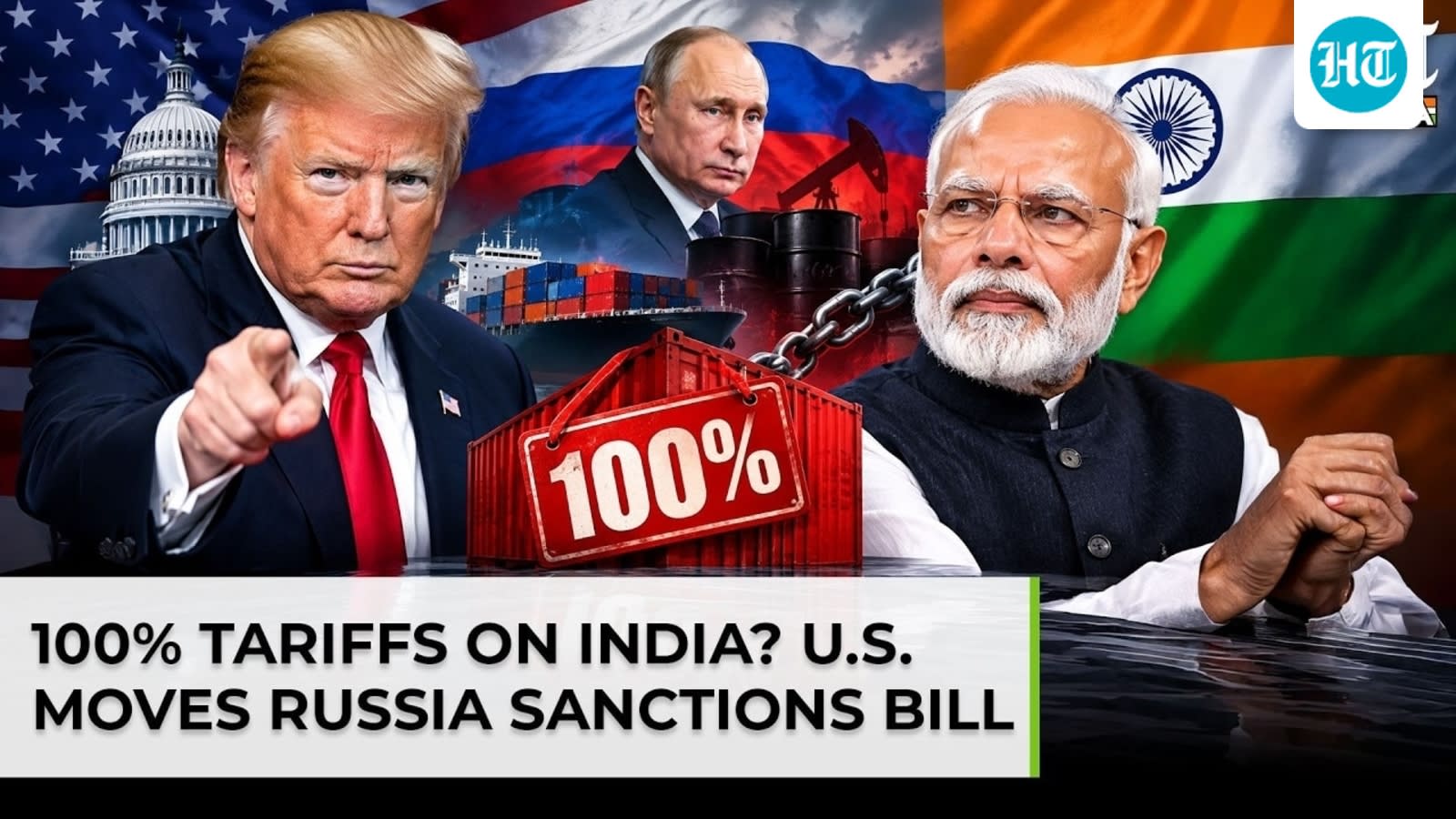
The U.S. House has passed the 'Lindsey O. Graham Sanctioning Russia and Iran Act of 2026,' which grants President Trump authority to impose up to 100% tariffs on countries importing Russian energy. This legislation, which now awaits the President's signature, poses significant economic risks to India due to its ongoing oil trade with Russia.
The Legislative Path to Potential Trade Conflict
The passage of the 'Lindsey O. Graham Sanctioning Russia and Iran Act of 2026' by the U.S. House of Representatives marks a pivotal shift in American foreign and economic policy. Having already secured Senate approval on August 7 with a decisive 86-11 vote, the bill’s recent 262-159 passage in the House signals a bipartisan legislative intent to leverage trade policy as a primary instrument of geopolitical pressure. By targeting the energy sectors of Russia and Iran, the bill aims to restrict the financial lifelines supporting these regimes, bringing the United States into a direct confrontation with the energy purchasing strategies of key global partners.
The Mechanism of Economic Leverage
At the core of this legislation is the expansion of presidential authority regarding international trade. The bill provides President Donald Trump with the legal mandate to impose tariffs as high as 100% on nations that continue to purchase Russian crude oil or natural gas. This represents a significant departure from traditional diplomatic norms, essentially creating a 'secondary sanction' mechanism that forces countries to choose between their energy security requirements and their access to the lucrative United States market.
Implications for India's Energy Strategy
For India, the implications of this act are profound. Since the escalation of the conflict in Ukraine, India has maintained a strategic stance of purchasing Russian oil to manage domestic energy costs and ensure energy security. The potential for a 100% tariff on Indian exports to the U.S. creates a high-stakes economic dilemma. If enacted, this policy could force a rapid reassessment of New Delhi’s energy procurement strategy, as the cost of maintaining trade with Russia could be offset by the potential loss of access to the U.S. consumer base.
Bipartisan Support and Legislative Hurdles
While the bill faced a complex path, including a 214-211 procedural hurdle in the House, the final tally of 262-159 underscores the broad legislative support for aggressive sanctions. The divide among Democrats regarding the extent of presidential tariff powers highlights the controversy surrounding the concentration of such economic authority within the executive branch. Nevertheless, the momentum behind the bill indicates a unified front in Washington to utilize economic isolation as a tool against Russian and Iranian influence.
Future Trends and Diplomatic Calibration
Looking forward, the enactment of this bill—which President Trump is expected to sign—will likely trigger a period of intense diplomatic negotiation. The U.S. administration will now hold a potent bargaining chip that can be used to pressure nations into diversifying their energy imports away from Russia. For countries like India, the future will likely involve navigating a delicate balance between maintaining sovereign energy policies and mitigating the risk of punitive trade measures that could destabilize bilateral economic ties with the United States.
Conclusive Summary
The 'Lindsey O. Graham Sanctioning Russia and Iran Act of 2026' represents a hardening of U.S. policy toward the global energy trade. By codifying the power to impose extreme tariffs, the U.S. is signaling a willingness to disrupt traditional trade relationships to achieve its foreign policy objectives. As the bill heads to the President's desk, the global trade landscape faces a period of uncertainty, with India’s energy-importing status placing it at the center of this burgeoning geopolitical and economic dispute.
Verification Required?