US Imposes Sanctions On Iran's Rail, Auto Sectors To Raise Economic Pressure
Source Entity
NDTV News Search Records Found 1000
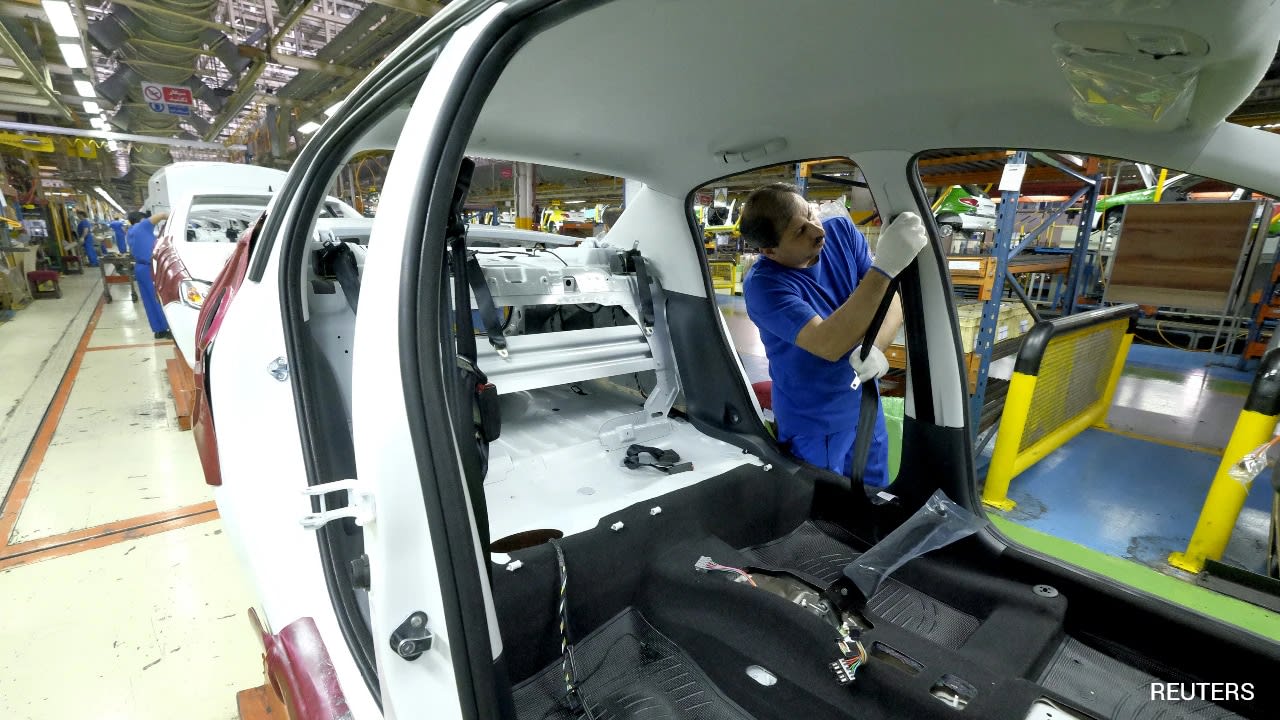
The United States has escalated economic pressure on Iran by imposing new sanctions on its rail and automotive sectors. Additionally, the U.S. has implemented a blockade on Iranian oil shipments traversing the strategic Strait of Hormuz.
Escalating Economic Pressures: The U.S. Stance on Iran
The geopolitical landscape in the Middle East has shifted significantly as the United States intensifies its economic campaign against Iran. By targeting the nation’s critical rail and automotive sectors, the U.S. is aiming to dismantle key pillars of the Iranian domestic industrial base, thereby squeezing the government's ability to fund its regional operations and internal infrastructure.
Targeting Infrastructure and Industry
Sanctions on the rail and automotive sectors are strategic maneuvers intended to cripple Iran’s logistical capabilities. The automotive industry is a major employer and a significant contributor to Iran's non-oil GDP, while the rail network is essential for internal commerce and cross-border trade. By restricting these sectors, the U.S. is effectively forcing a contraction of the Iranian economy, making it increasingly difficult for the state to maintain its operational stability.
The Strategic Chokepoint: The Strait of Hormuz
Perhaps the most consequential development is the U.S.-led blockade of Iranian oil transiting the Strait of Hormuz. This narrow waterway is one of the world's most vital energy transit points, carrying a significant percentage of global oil production. By blocking Iranian shipments here, the U.S. is directly attacking the primary source of hard currency for the Iranian regime, effectively attempting to isolate the country from the global energy market.
Global Implications and Economic Impact
These actions carry profound implications for the global oil market. The Strait of Hormuz serves as a critical artery for energy security; any disruption in this region typically leads to increased volatility in global oil prices. As the U.S. tightens its grip, international markets are likely to experience supply-side pressures, forcing other nations and trading partners to reconsider their reliance on Iranian energy exports.
Historical Context and Future Trends
This move represents a continuation of the 'maximum pressure' policy framework, which has been a staple of U.S.-Iran relations for years. Historically, sanctions have been used as a tool to force diplomatic concessions, though their efficacy remains a subject of intense debate among policy experts. Looking forward, we can expect continued tension in the Persian Gulf as Iran seeks alternative, albeit more expensive, methods to export its resources and circumvent these restrictive measures.
Conclusion
The combination of sectoral sanctions and the maritime blockade indicates a multi-front effort by the United States to exert maximum influence over Iran's economic trajectory. As the situation evolves, the effectiveness of these measures will depend on global compliance and the resilience of the Iranian economy in the face of sustained isolation.
Verification Required?