Trump says reported FBI database hack is ‘not good’
Source Entity
Anthony Ha
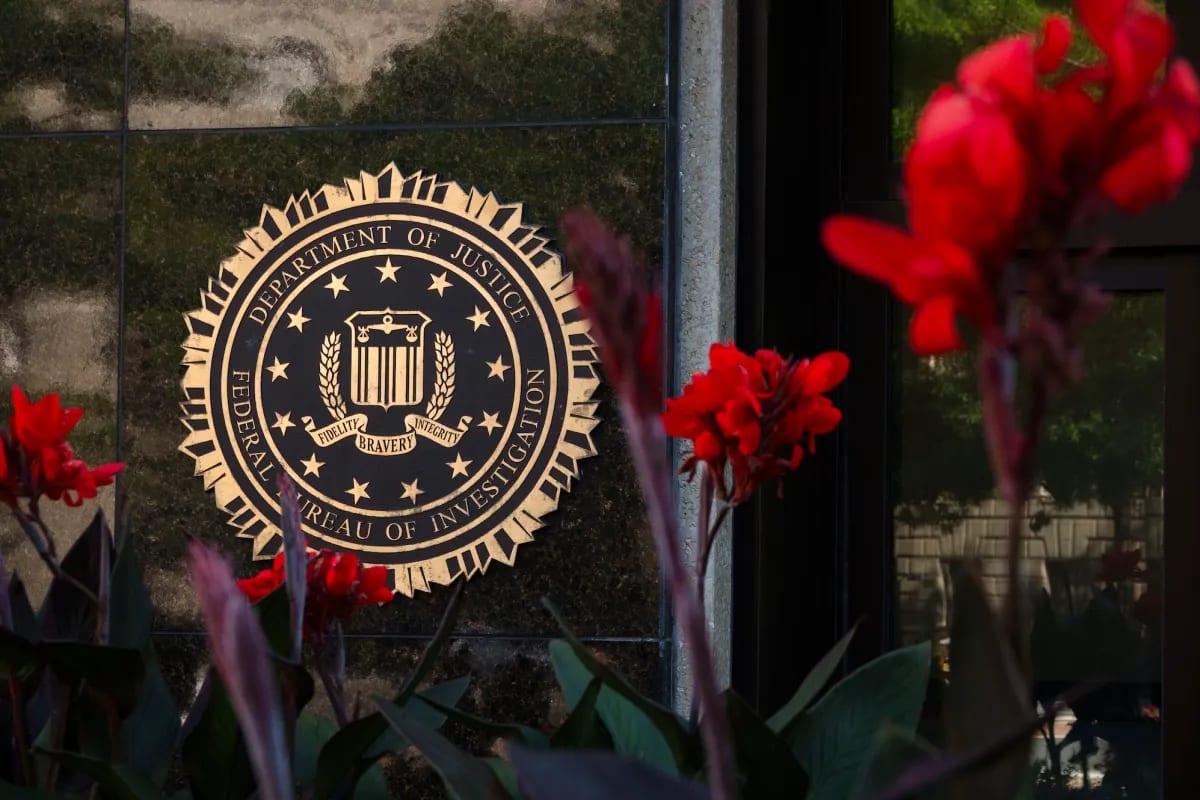
The US Department of Agriculture (USDA) recently experienced a cyberattack on its farmer payment system, causing service disruptions. While officials confirm no personal data was lost, the incident highlights growing vulnerabilities in federal infrastructure alongside recent FBI database concerns.
Breach at the USDA: A Growing Concern for Federal Cybersecurity
On November 20, reports surfaced that the US Department of Agriculture (USDA) fell victim to a cyberattack targeting its internal farmer payment systems. This breach, which disrupted the flow of loans and insurance payments to agricultural producers, has ignited a broader conversation regarding the security of federal databases. While USDA officials have officially stated that no personal information or sensitive data was compromised during the intrusion, the reliance of the agricultural sector on these digital payment systems makes them a critical node for potential bad actors.
The Scope of the Intrusion
According to accounts from former USDA officials, the breach was identified and communicated to staff on Thursday. While the current scope of the incident appears limited to the payment database, security experts and former officials have expressed concern that such intrusions often serve as a reconnaissance point. By gaining entry into the payment infrastructure, hackers may theoretically establish a foothold, potentially creating a pathway to more sensitive agricultural data or deeper government network architecture.
A Pattern of National Infrastructure Vulnerability
This incident does not exist in a vacuum. It follows a series of major technical outages in recent weeks that have impacted travel, communications, and e-commerce across the United States. These cascading failures have heightened anxieties regarding the stability of the nation’s digital backbone. When coupled with the USDA breach, it paints a concerning picture of the systemic risks posed to government operations in an era of increasing cyber warfare and digital espionage.
Political Context and the FBI Database Leak
Simultaneously, concerns regarding federal data security have been amplified by reports of a breach involving the FBI’s National Crime Information Center (NCIC) database. President Donald Trump addressed these reports, albeit with a controversial tone, joking that the breach might inadvertently expose what he characterized as political "hoaxes." By leveraging the narrative of the "Russia hoax" and other investigations to comment on the security failure, the President’s remarks underscore how cyber incidents are increasingly becoming entangled with the current political climate.
Future Trends and Security Implications
Looking ahead, the intersection of these two events signals a difficult period for federal cybersecurity. The USDA incident demonstrates that even systems focused on administrative tasks like loans and insurance are prime targets for disruption. As government agencies move further toward digitalization, the imperative to secure these systems against sophisticated threats becomes a matter of national security. Future trends will likely involve increased funding for cybersecurity oversight and a shift toward more resilient, decentralized architectures to ensure that a single breach does not compromise entire departmental functions.
Conclusion
In summary, the USDA cyberattack serves as a stark reminder of the fragility of government digital infrastructure. While the immediate threat to personal data has been contained, the incident highlights the need for a comprehensive reassessment of federal database security. With the backdrop of wider national outages and high-profile political commentary on cybersecurity, it is clear that protecting these systems is no longer just a technical challenge—it is a critical political and national imperative.